Samsung Bixby Upgrade Brings Automated Background Tasks
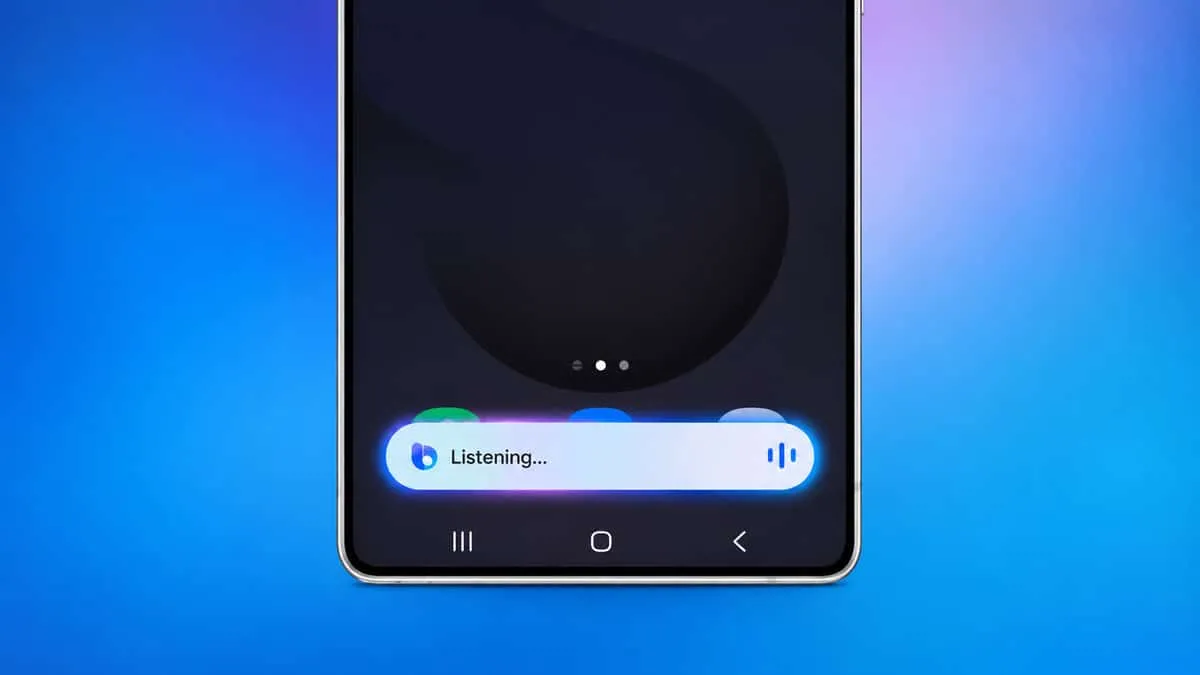
Samsung is reportedly developing a major upgrade for Bixby that will allow its AI assistant to perform recurring tasks automatically in the background. According to reports, the upcoming software enhancement aims to transform how users interact with their mobile devices by removing the need for manual, repetitive inputs. As artificial intelligence becomes central to modern smartphone ecosystems, tech companies continuously seek ways to make digital assistants more proactive rather than reactive. This development places Samsung firmly in the race to deliver intelligent agents capable of managing daily routines independently.
The core objective of this upcoming software modification is to eliminate friction in daily smartphone use. Users often perform the same actions every day, such as checking currency conversion rates, reviewing weather forecasts, or gathering specific news updates. By shifting these responsibilities to an automated background process, the assistant saves time and reduces user effort. Samsung developers are focusing on creating a system where routine operations happen seamlessly without demanding constant attention or repetitive prompting from the device owner.
Industry observers note that digital assistants have historically required direct, real-time commands for every single interaction. If a user wanted specific information daily, they had to ask for it every single morning. The new functionality represents a philosophical shift toward persistent assistance. Instead of waiting for a wake word and a prompt, the upgraded software will execute pre-programmed instructions based on user schedules and preferences established during initial setups.
Expected Launch With One UI 9.5 and Galaxy S27 Series
The feature is expected to arrive with One UI 9.5 on the upcoming Galaxy S27 series, giving Bixby the ability to handle everyday activities without requiring users to repeat instructions. Samsung is currently testing the feature internally, according to available reports. The new capabilities are expected to debut alongside the hardware rollout of the Galaxy S27 smartphone line, which traditionally showcases the latest software innovations from the manufacturer.
While One UI 10 is rumored to introduce a larger redesign with significant interface and usability improvements, One UI 9.5 could bring substantial changes to Samsung's AI features. Software development cycles at major technology corporations often stagger major visual redesigns and functional updates. By introducing advanced artificial intelligence capabilities in the point release of One UI 9.5, Samsung can refine core intelligence systems before implementing broader cosmetic changes across the entire user interface in subsequent versions.
Consumers purchasing upcoming hardware can anticipate a strong emphasis on automation out of the box. Samsung has not officially confirmed the new Bixby capabilities or their release date, maintaining standard industry secrecy regarding unannounced products. However, supply chain tracking and internal software leaks frequently provide clear indicators of features currently moving through the testing phases within corporate research and development laboratories.
How Bixby Schedules and Executes Recurring Tasks
The upgraded Bixby will reportedly allow users to schedule recurring tasks and receive information automatically. For example, users could ask Bixby to provide the USD-to-INR exchange rate every morning. Once the task is created, Bixby will ask for confirmation before adding it to the Actions section of the app. This confirmation step ensures that the assistant interprets user intentions correctly before locking in a recurring schedule.
Users will then be able to manage their scheduled tasks, including pinning, pausing, and deleting them. If a user travels or temporarily does not need a specific morning report, they can pause the action rather than deleting it entirely. Pinning important tasks ensures they remain easily accessible at the top of the management dashboard within the application interface.
The feature will also include an activity log showing how each task was completed. Users will be able to review past executions and return to the original conversation in which they created the task. This auditing capability provides transparency, allowing owners to verify that automated routines ran successfully and troubleshoot any discrepancies in the delivered information.
Context and Broader AI Strategy for Samsung Devices
The evolution of Bixby arrives at a time when competition among mobile operating system assistants has reached peak intensity. Competitors across the mobile sector are integrating large language models and predictive algorithms into their core platforms. Samsung previously introduced various Galaxy AI tools focused on real-time translation, photo editing, and text summarization, but these tools generally operate on an on-demand basis.
Introducing background automation bridges the gap between static productivity apps and dynamic personal agents. By handling recurring chores autonomously, the system shifts from a tool that answers questions to a system that manages workflows. This capability relies heavily on advanced on-device processing power and efficient power management to ensure that background tasks do not drain the battery or compromise device performance during idle periods.
Analysts point out that consumer adoption of AI assistants often depends on practical utility rather than raw technical complexity. Features that save actual minutes every day tend to retain active users longer than novelty features. By targeting routine inquiries like financial exchange rates or scheduled reminders, Samsung addresses practical daily use cases that resonate with a broad consumer base across international markets.
What Watch For in Future Software Releases
As development continues inside corporate testing environments, technology enthusiasts and industry analysts will monitor upcoming software betas for concrete references to the automation tool. Samsung typically rolls out developer previews and public beta testing programs months before a major hardware launch, offering clearer evidence of incoming functional changes.
Owners of current smartphone generations often wonder if software upgrades will migrate backward to older hardware. While Samsung has extended software support windows significantly for recent flagship devices, advanced features tied to specific One UI versions depend on hardware compatibility and processing capabilities. Observers will watch to see whether these background automation routines remain exclusive to the Galaxy S27 generation or if previous flagship models receive the upgrade in subsequent software patches.
Ultimately, the success of this upcoming upgrade will depend on reliability and user control. Maintaining clear activity logs and simple toggle controls for pausing or deleting automated actions gives users the necessary confidence to delegate daily tasks to an artificial intelligence assistant.