Sony Shuts Down PlayStation Plus PC App and Cloud Streaming Service
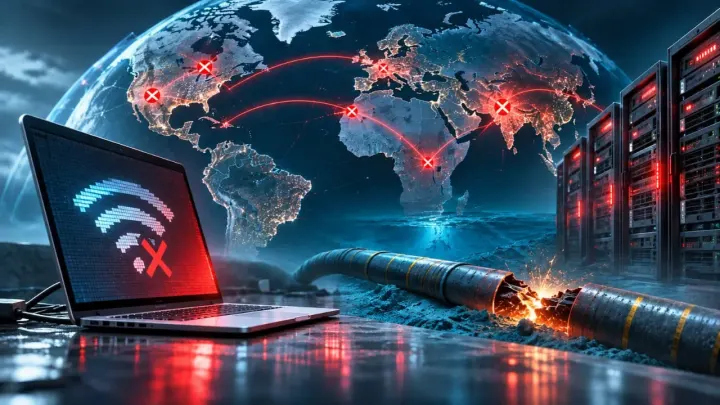
Sony has confirmed another disappointing setback for PC gamers as the company officially moves to discontinue its PlayStation Plus personal computer application. According to the official announcement, cloud streaming support for personal computer subscribers will end completely on December 10, 2026. This service was previously offered through PlayStation Now before the company folded it into the upper tier known as PlayStation Plus Premium. While the feature never achieved massive popularity among personal computer users, it provided subscribers with a direct method to experience console games without purchasing dedicated PlayStation hardware. Now, that specific avenue for playing console titles on a computer is closing rapidly.
The upcoming discontinuation marks a significant change in how digital gaming services operate across different operating systems. For years, technology companies have attempted to bridge the gap between closed console ecosystems and open computer platforms through cloud technology. By processing game data on remote server farms and transmitting video feeds to local screens, cloud streaming allowed users without expensive consoles to enjoy graphically demanding software. However, maintaining these remote infrastructure networks requires substantial financial investment and technical support. As corporate strategies evolve, companies constantly reevaluate which platforms yield sufficient returns to justify ongoing maintenance costs.
Why is Sony Shutting Down PS Plus App and PC Cloud Streaming?
Sony slipped this major announcement into the bottom of its November PlayStation Plus Game Catalog reveal, a notice that primarily focused on upcoming additions like Death Stranding 2: On the Beach. According to the company, fewer than 0.4 percent of eligible PlayStation Plus Premium members actually use the personal computer application. Therefore, this extremely low engagement factored heavily into the final decision by corporate leadership. Sony explained that discontinuing this niche service allows the organization to focus on improving experiences that a much larger portion of subscribers actively use on a regular basis.
The metrics behind the decision highlight the stark differences in user behavior between traditional console owners and desktop players. While millions of players use personal computers for gaming through platforms like Steam, very few used the proprietary software provided by this specific console manufacturer. Operating a dedicated application for such a tiny fraction of the user base proved inefficient for the company. By redirecting engineering talent and server resources toward core console features, the business hopes to enhance reliability and performance for the vast majority of its paying customer base.
What Happens to Existing PlayStation Plus Subscribers on Personal Computers?
Fortunately, computer players will not lose every single way to access PlayStation software through alternative methods. Sony confirmed that its separate PlayStation Remote Play application will remain fully available for users who own physical consoles. Consequently, PlayStation 4 and PlayStation 5 owners can still stream games directly from their own hardware to a personal computer or Mac. Furthermore, this upcoming shutdown will not affect standard PlayStation Plus memberships or benefits when used directly on PlayStation 5 and PlayStation 4 consoles. Sony also stated that it will notify all affected subscribers directly regarding the transition before the final cutoff date.
For individuals who relied exclusively on the cloud streaming application without owning a physical console, the closure means losing access entirely once December 10, 2026 arrives. These users will need to evaluate whether purchasing physical console hardware represents a viable option if they wish to continue playing titles tied to the ecosystem. Standard subscription benefits, including monthly game downloads and online multiplayer access, remain entirely unchanged for those playing on actual consoles.
A Broader Shift Away From Personal Computer Gaming
This shutdown announcement aligns perfectly with a much broader shift in overall corporate strategy regarding personal computer platforms. Over the past few years, the manufacturer made considerable efforts to port major single-player franchises like God of War, Horizon, Marvel is Spider-Man, and The Last of Us to computer platforms. However, market conditions are clearly changing within the industry. Earlier in 2026, Bloomberg reported that the PlayStation division is actively moving away from bringing its major single-player exclusives to personal computer platforms. Consequently, highly anticipated titles like Ghost of Yotei and Saros will likely remain exclusive to physical PlayStation consoles.
Although the company treats multiplayer and live-service titles through a different operational lens, this reported change marks a massive departure from their previous expansion strategy. Ultimately, the discontinuation of PlayStation Plus cloud streaming adds yet another distinct development to this apparent shift in corporate direction. Industry observers note that initial enthusiasm for simultaneous multi-platform releases has cooled as executives weigh the long-term value of hardware exclusivity.
What Remains for Computer Players Moving Forward?
Nevertheless, Sony has not abandoned the personal computer gaming market entirely despite these recent cutbacks. Existing PlayStation releases on Steam and the Epic Games Store remain readily available for purchase and play. Meanwhile, the company continues expanding its dedicated cloud streaming support for the handheld PlayStation Portal device. Clearly, the organization remains interested in making its games accessible beyond traditional living room setups, provided the hardware fits specific internal metrics. However, decision makers are now taking a much more selective approach with a distinct focus on actual proprietary hardware. Ultimately, time will tell if this increasingly console-focused strategy pays off in the long run for shareholders and players alike.