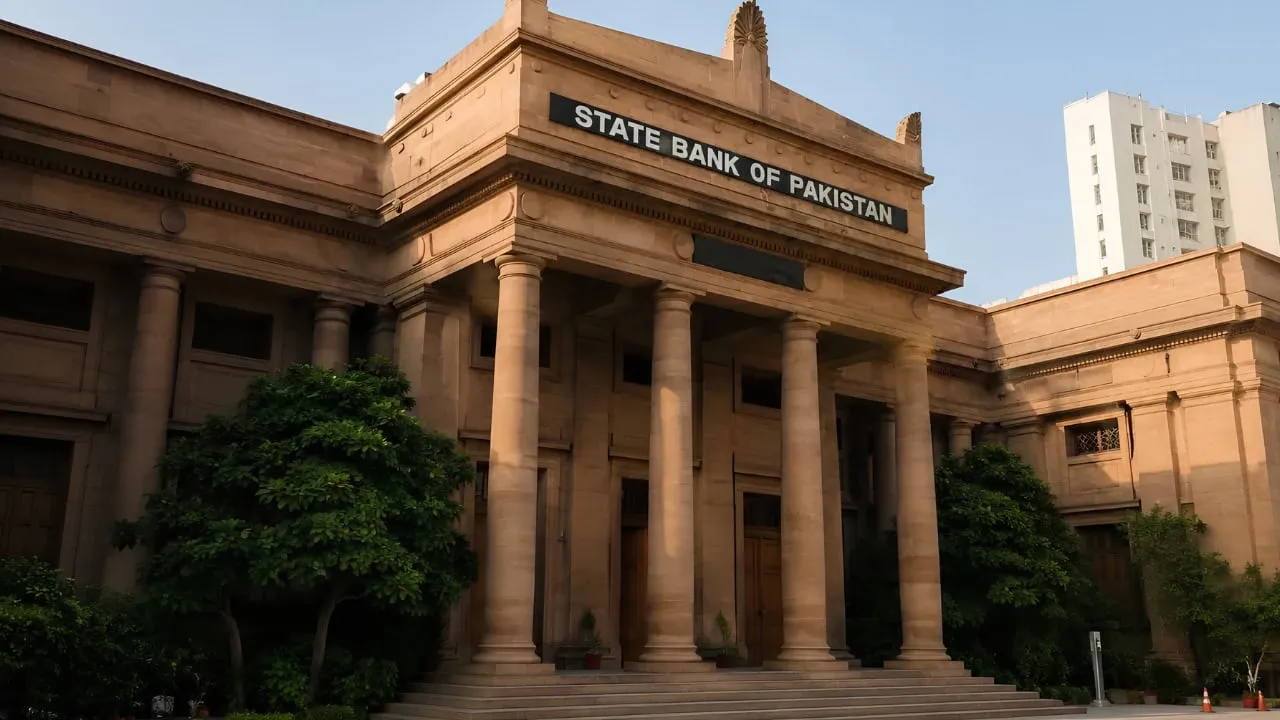
State Bank of Pakistan Projects Economic Growth at Up to 4.5% in FY27
Pakistan enters the upcoming fiscal period with improving macroeconomic indicators, according to the State Bank of Pakistan (SBP). In its annual report on the State of Pakistan's Economy for FY26, the central bank projected that the national economy is expected to grow between 3.5% and 4.5% in fiscal year 2026-27. This growth trajectory relies on a gradual recovery in domestic demand alongside stronger output across the agricultural and industrial sectors.
The central bank stated that recent fiscal measures, combined with rising economic activity, set a positive foundation for the forecasted period. However, policymakers must address various domestic and external challenges to secure these targets, including climate risks and global market fluctuations. The report outlines a comprehensive view of the financial landscape, detailing expectations for trade, inflation, reserves, and structural policies.
Drivers of Growth in Agriculture and Industry
The anticipated economic expansion depends heavily on the performance of key productive sectors. Agriculture and industry showed stronger output indicators, which helped the country enter fiscal year 2026-27 with a more stable footing. Major Kharif crops, including sugarcane, rice, and maize, registered higher output levels, contributing positively to rural incomes and food supply chains.
Despite these gains, the agricultural sector faces ongoing environmental risks. The central bank warned that worsening El Niño conditions could affect future agricultural production. Climate volatility remains a persistent threat to crop yields, requiring constant monitoring by agricultural authorities and farming communities across the country.
Trade Dynamics and Current Account Projections
As domestic economic activity expands, import demands are expected to rise. The SBP projects that imports will increase alongside higher global commodity prices. At the same time, exports are likely to experience a moderate recovery, reflecting changing conditions in international markets.
To balance trade pressures, external inflows play a vital role in maintaining currency stability. Higher workers remittances are projected to keep the current account deficit between 0% and 1% of GDP. This inflow of funds from citizens working abroad acts as a buffer against widening trade imbalances.
Foreign Exchange Reserves and External Inflows
Strengthening foreign exchange reserves remains a primary objective for monetary authorities. The central bank anticipates that Eurobond proceeds, foreign exchange purchases, and expected official inflows will boost reserves significantly. These combined financial sources should strengthen reserves toward four months of import cover, providing a cushion against external shocks.
Maintaining adequate import cover protects the national currency and ensures uninterrupted supplies of essential goods, including energy and raw materials. Officials continue to monitor international financial markets to time bond issuances and secure planned official disbursements effectively.
Inflation Outlook and Monetary Targets
Price stability is a core mandate of the central bank. Inflation is likely to face pressure from higher global energy prices in the coming periods. Despite these external cost pressures, inflation is expected to move gradually toward the SBP medium term target range of 5% to 7%.
Controlling inflation requires coordinated fiscal and monetary policies. The central bank uses interest rate tools and liquidity management to anchor price expectations while supporting credit expansion for productive business ventures.
Necessary Structural Reforms for Sustainable Growth
Achieving long term economic stability requires more than short term monetary adjustments. The central bank stressed the need for structural reforms across multiple domains. These measures are essential to transform cyclical recoveries into permanent, sustainable economic development.
Key areas highlighted by monetary authorities include:
- Higher private investment to boost capital formation and job creation.
- Improved infrastructure to lower transport and operational costs for businesses.
- Skills development programs to enhance workforce productivity.
- Tax rationalization to broaden the revenue base and reduce market distortions.
- Stronger climate preparedness to protect agriculture and infrastructure from weather extremes.
Implementing these structural changes requires sustained effort from legislative bodies, regulatory agencies, and the private sector. Analysts note that addressing these foundational issues will determine whether the economy can sustain higher growth rates in subsequent decades without triggering balance of payment crises.





