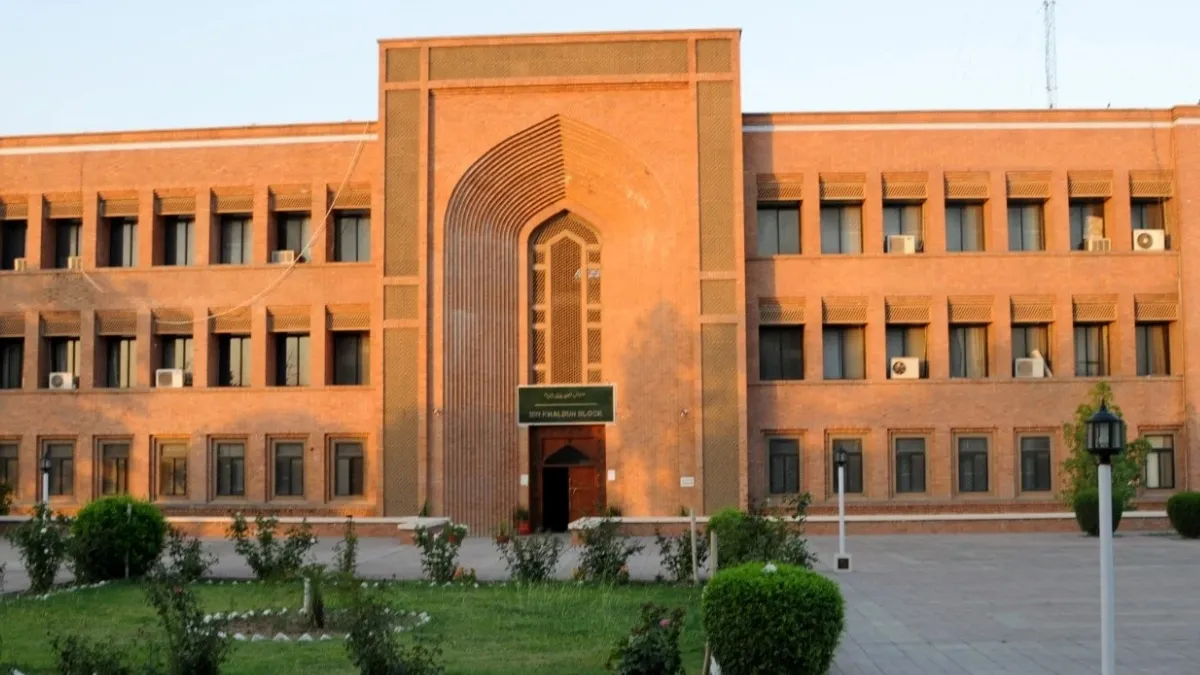
A fifth-semester Information Technology student at the International Islamic University Islamabad (IIUI) died on November 17, 2026, nearly a month after being bitten by a stray dog outside Hostel 5.
The deceased, identified as Sufyan Rashid, was a resident of Dhirkot and had continued attending classes until his health sharply declined a few days before his death.
What Happened on Campus?
According to university officials, Sufyan was bitten by a stray dog while walking near Hostel 5 about a month ago. He received initial first-aid on site and was taken to a nearby hospital for treatment. The university's health services recorded the incident and advised him to complete a course of antibiotics and tetanus prophylaxis, standard protocol for animal bites.
Despite following medical advice, Sufyan's condition worsened. He reported persistent fever, swelling at the bite site, and increasing fatigue. Within a week, his symptoms escalated to severe sepsis, a life-threatening response to infection. He was admitted to a tertiary care hospital in Islamabad, where doctors attempted aggressive intravenous therapy and supportive care, but he succumbed to complications on November 17.
Why Dog Bites Remain a Public-Health Issue in Pakistan
Stray dogs are a common sight in many Pakistani cities, including Islamabad. The country lacks a comprehensive, nationwide animal control program, and municipal authorities often rely on ad-hoc removal or sterilisation drives. According to a 2023 study by the Pakistan Veterinary Medical Association, over 30 % of reported injuries in urban areas involve stray dogs, with the majority occurring in public spaces such as markets, parks, and university campuses.
Infection after a dog bite can be serious. The bacteria *Pasteurella multocida*, *Staphylococcus aureus*, and *Capnocytophaga* are frequently isolated from canine oral flora. If not promptly and properly managed, these organisms can cause cellulitis, abscess formation, and systemic sepsis. The World Health Organization recommends immediate wound cleaning, a full tetanus update, and a course of broad-spectrum antibiotics for high-risk bites.
University Policies on Campus Safety and Animal Control
IIUI's campus spans more than 150 acres and houses over 25,000 students. The university's official safety manual, last revised in 2022, outlines procedures for dealing with stray animals: staff should report sightings to the campus security office, which then coordinates with the Capital Development Authority (CDA) for removal or vaccination.
In the wake of Sufyan's death, students and faculty have demanded a review of these protocols. A petition circulating on the university's internal portal has gathered more than 3,200 signatures, urging the administration to install permanent fencing around hostels, increase patrols, and launch an awareness campaign on proper wound care after animal bites.
Legal Framework Governing Animal Bites in Pakistan
Under the Pakistan Penal Code, Section 428 deals with the "dangerous animal" offence, imposing fines and possible imprisonment for owners who allow animals to cause injury. However, stray dogs fall into a legal gray area because no identifiable owner can be held responsible. The Punjab Animal Welfare Act of 2021, though not applicable to Islamabad, provides a model for mandatory registration, vaccination, and sterilisation of dogs, which many experts suggest should be adopted federally.
Legal scholars at Quaid-i-Azam University note that families of bite victims can file civil suits for negligence against municipal bodies if it can be shown that the authority failed to take reasonable steps to control stray populations. No such suit has yet been filed by Sufyan's family, but the incident has sparked discussions about potential litigation.
Impact on Students and Campus Community
The tragedy has resonated deeply within the IIUI community. Classmates describe Sufyan as a diligent student who was preparing for his final semester project on artificial intelligence. "He was always the first to arrive for labs," said a fellow IT student who asked to remain anonymous. "We never imagined a bite could end like this."
Beyond emotional loss, the incident has raised practical concerns. International students, who make up roughly 12 % of the campus population, fear that inadequate animal control could affect their health and academic progress. Parents of local students have also expressed anxiety about the safety of hostel environments, especially for those who travel to campus on foot.
What Authorities Are Doing Now
Following the incident, the university's Vice-Chancellor convened an emergency meeting with the campus security chief, the university health director, and representatives from the Capital Development Authority. The meeting resulted in three immediate actions:
- Deployment of two additional security patrols around hostels 4, 5, and 6, with a mandate to report any stray animal sightings within 30 minutes.
- Installation of temporary metal barriers at the main hostel entrances to deter stray dogs from entering the premises.
- Collaboration with a local animal-welfare NGO to conduct a one-time vaccination and sterilisation drive targeting stray dogs within a 2-kilometre radius of the campus.
The university also announced a free medical check-up camp for all students, offering wound-care consultations and tetanus boosters.
What Students and Parents Can Do
Health experts advise anyone bitten by a dog to follow these steps:
- Wash the wound immediately with soap and running water for at least five minutes.
- Apply an antiseptic solution and cover the wound with a clean dressing.
- Seek professional medical attention within six hours, even if the bite seems minor.
- Ensure tetanus immunisation is up to date; a booster is recommended if the last dose was more than ten years ago.
- Complete the full course of prescribed antibiotics and attend all follow-up appointments.
Students are also encouraged to report stray-animal sightings promptly through the university's safety app, which logs location data for rapid response.
What Comes Next for IIUI and the Wider Community
The university has pledged to submit a detailed report on the incident to the Ministry of Education within the next 30 days. The report will include recommendations for a long-term animal-control strategy, budget allocations for security upgrades, and a timeline for permanent fencing.
Meanwhile, the Capital Development Authority has announced plans to increase its city-wide stray-dog sterilisation program from 5,000 to 12,000 dogs per year, a move welcomed by public-health officials. The Ministry of Health is also reviewing national guidelines on post-bite treatment to ensure that all hospitals follow WHO-recommended protocols.
For families like Sufyan's, the loss is irreversible, but the incident may serve as a catalyst for systemic change. Stakeholders across education, municipal governance, and health sectors are now watching closely to see whether concrete reforms will follow.