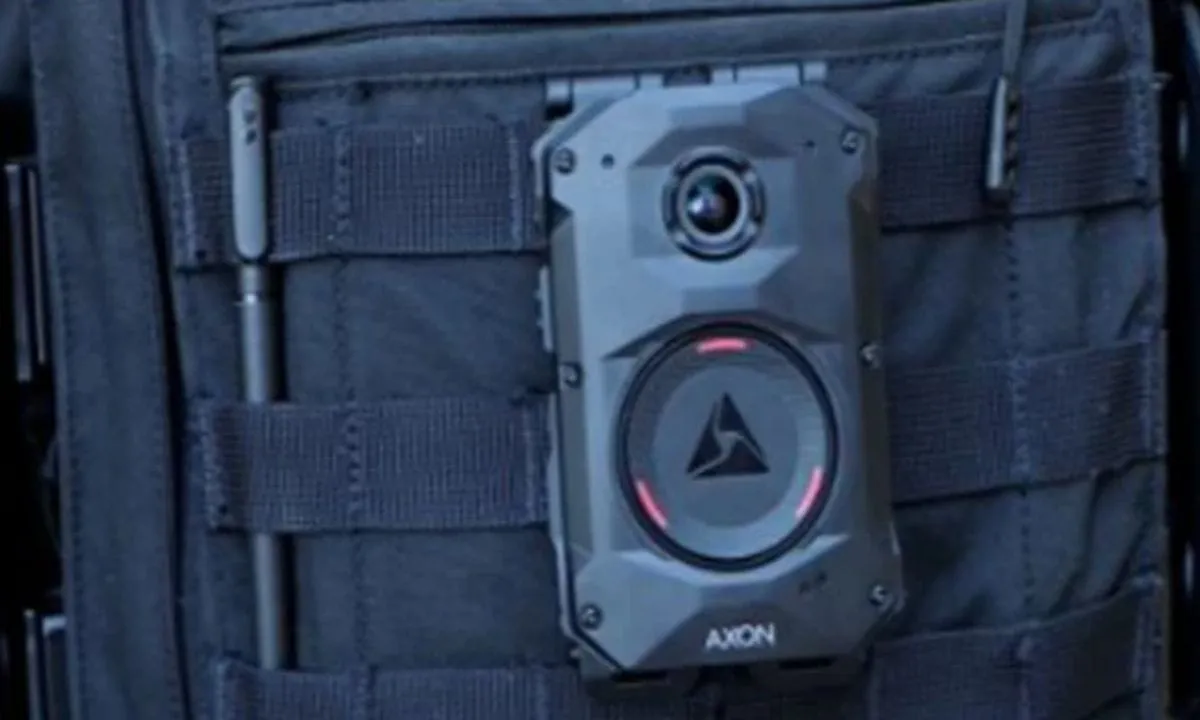
Peshawar Police Introduce Body Cameras for Station Clerks
Peshawar police on Tuesday issued body-worn cameras to clerical staff at all police stations, placing their conduct, dealings with citizens and performance under a newly introduced online surveillance system. This new directive marks a direct shift in how daily administrative tasks at local police stations are monitored, bringing a higher degree of digital oversight to law enforcement agencies in the region.
The cameras are connected directly to the office of the Capital City Police Officer at Police Lines. They will record conversations between station clerks, known as muharrars, and visitors, along with the handling of complaints and other official proceedings during duty hours. By streaming these interactions directly to high-ranking officials, the department intends to eliminate gaps in supervision that often lead to disputes between citizens and law enforcement.
How the Body Camera Surveillance System Works
The newly deployed hardware consists of wearable recording devices assigned specifically to the clerical staff who manage front-desk operations and citizen intakes. These muharrars serve as the primary point of contact for individuals filing reports or seeking administrative assistance at police stations across the city.
Police officials stated that the cameras will also be linked to the Safe City system, with footage monitored from the Capital City Police Officer office. The recordings may be used as evidence in cases involving complaints of misconduct, inappropriate behaviour or mistreatment of citizens by police personnel. This direct link ensures that supervisors can review interactions in real time or pull archives when grievances are formally lodged by the public.
Objectives Behind the Peshawar Police Initiative
Capital City Police Officer Dr Mian Saeed Ahmad said the initiative aims to promote transparency, accountability and professional policing through direct oversight of clerical staff. He said all muharrars have been directed to record their interactions with complainants and relevant official proceedings to maintain a proper record of their conduct and performance.
The Capital City Police Officer further explained that the measure is intended to improve police performance, strengthen public service delivery and ensure accountability in the discharge of official duties. Public trust in local law enforcement often depends on the initial reception citizens receive when entering a police station, making the conduct of the muharrar critical to the department reputation.
Background of Police Surveillance in Peshawar
Law enforcement agencies across Pakistan have increasingly turned to digital infrastructure to modernise station operations and reduce corruption. Peshawar, situated in Khyber Pakhtunkhwa, has experienced security challenges that require strict adherence to protocol and streamlined communication between different tiers of the police force.
In the past, oversight of station clerks relied heavily on manual registers and periodic internal inspections by senior officers. These traditional methods often left room for delayed complaint logging, verbal altercations with visitors going unrecorded, and difficulties in verifying allegations of rudeness or extortion. Integrating body-worn hardware with the Safe City network represents a technical evolution in internal affairs management.
Impact on Citizens and Police Personnel
For ordinary citizens visiting police stations in Peshawar, the presence of cameras changes the dynamic of filing reports and registering complaints. Visitors can expect their conversations and official proceedings to be documented, which provides a layer of security against administrative apathy or refusal to register cases.
For police personnel, particularly the muharrars, the continuous recording offers both protection and scrutiny. While improper behaviour or mistreatment of citizens can be proven swiftly through the footage, officers who handle contentious situations professionally also have concrete evidence of their compliance with departmental rules. The policy impacts daily station workflows by demanding strict adherence to protocol during every citizen interaction.
Future Monitoring and Official Oversight
As the rollout takes effect across all police stations in Peshawar, the Capital City Police Officer office will oversee the continuous collection and review of data from the wearable devices. The integration with the Safe City system allows for scalable monitoring without requiring physical supervisors stationed inside every local office.
The department has established that recorded material will serve as an evidentiary standard when evaluating disciplinary cases. Observers within the region will monitor how effectively the digital feed translates into fewer public complaints and higher standards of professional conduct among administrative staff.