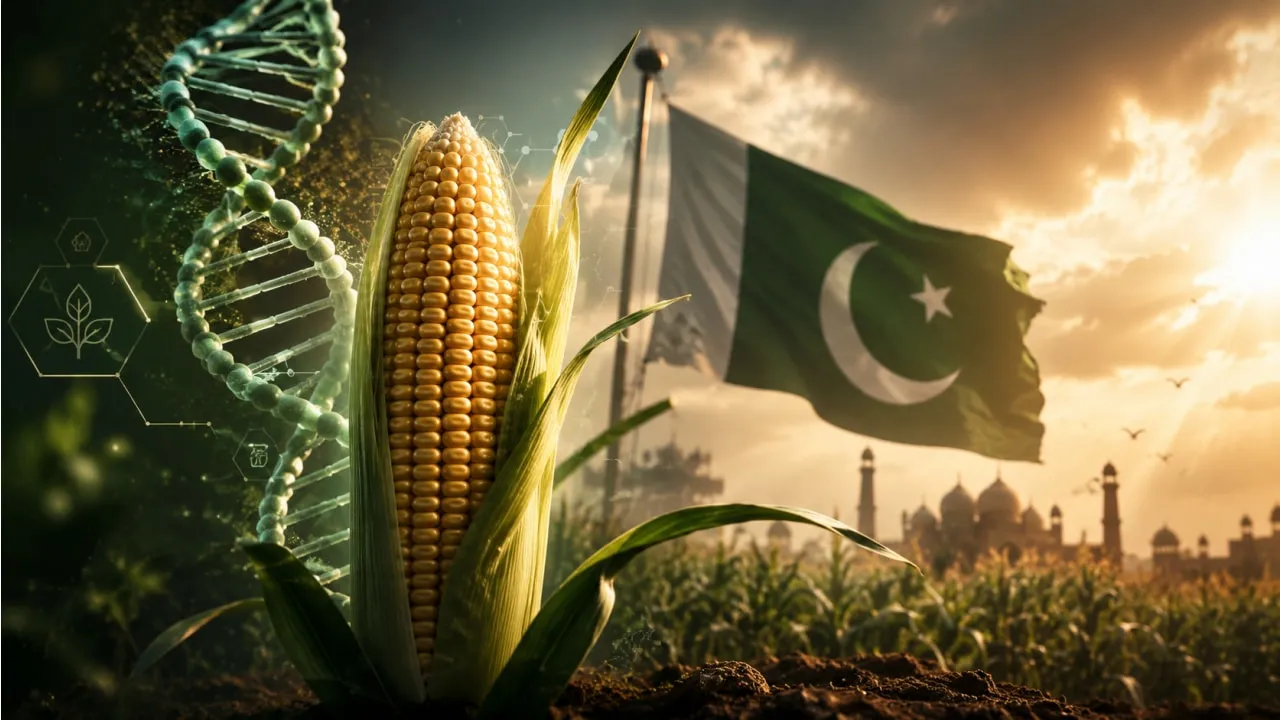
Syngenta Plans Advanced Seed Technologies for Pakistan
Syngenta Group plans to introduce advanced hybrid and biotechnology seed technologies in Pakistan, with a focus on cotton, corn, wheat, rice, and sunflower, following high-level meetings with federal and provincial government officials. Minjie Ying, Head of Seeds Business for Africa, Middle East and Asia at Syngenta Group, visited Pakistan alongside the company's local leadership team to discuss agricultural cooperation, seed innovation, and ways to improve productivity and food security.
The four-day visit by the corporate delegation highlights growing international interest in modernizing agricultural practices within South Asia. Agriculture forms a vital pillar of the national economy, employing a large portion of the rural population and supplying raw materials for major domestic manufacturing sectors. By engaging with both regional and national administrators, the company aims to align its corporate strategy with local administrative goals for rural development.
Syngenta Holds Talks With Punjab Government
In Lahore, Ying and the Syngenta Pakistan delegation met with the Punjab Agriculture Department in a meeting chaired by Provincial Agriculture Minister Syed Ashiq Hussain. The discussions built on previous engagements between Syngenta Group China's leadership and the Punjab government in Beijing last year. The Punjab government assured the company's leadership of its full support for agricultural collaboration and the introduction of advanced seed technologies.
Punjab serves as the agricultural heartland of the country, producing a substantial share of staple crops and industrial inputs. Provincial authorities view modern scientific inputs as essential for overcoming stagnation in crop yields caused by changing weather patterns and pest pressures. Cooperation between provincial administrators and multinational corporations often centers on establishing localized trial plots and demonstration farms to prove the effectiveness of new seed varieties under regional soil and climate conditions.
Biotech Seed Imports And Regulations Discussed
In Islamabad, the delegation met with the federal minister and secretary for National Food Security and Research, the chairman of the National Agri-Trade and Food Safety Authority (NAFSA), representatives from the Prime Minister's Office, and the federal secretary for commerce. Discussions covered regulatory issues involving biotechnology seed imports and cotton variety approvals, as well as taxation, customs classification of biological products, and pesticide shelf-life regulations. The discussions also referred to international practices and scientific evidence, following the government's recent approval of the National Agricultural Biotechnology Policy.
Navigating regulatory frameworks remains a primary consideration for agricultural firms seeking to introduce genetically modified or high-performance hybrid lines across international borders. Federal oversight ensures that imported biological materials meet strict biosafety standards, protect local ecosystems, and comply with international trade agreements. Representatives from trade and commerce divisions work alongside food security officials to balance the need for rapid technological adoption with consumer protection and environmental safety mandates.
Focus On Cotton And Wheat Productivity
The company highlighted the importance of innovation in cotton and wheat, given their roles in Pakistan's textile industry, export earnings, and national food security. Hybrid technologies in corn, rice, and sunflower were also discussed as potential avenues for improving agricultural productivity and strengthening farmer resilience. During his four-day visit, Ying also toured agricultural fields across Punjab, met farmers, and heard directly about the challenges they face. Syngenta reaffirmed its commitment to working with the Pakistani government to advance agricultural innovation, support farmers, and strengthen the country's agricultural sector.
Cotton remains an indispensable commodity for domestic textile mills, which generate a major share of the nation's export revenue. Wheat cultivation occupies vast acreage as the primary staple food for the population, making continuous yield improvements a matter of sovereign stability. Introducing resilient traits into these staple crops helps mitigate risks associated with water scarcity, rising temperatures, and evolving plant diseases that threaten seasonal harvests.





