Syngenta Group Executives Visit Pakistan for Agricultural Talks
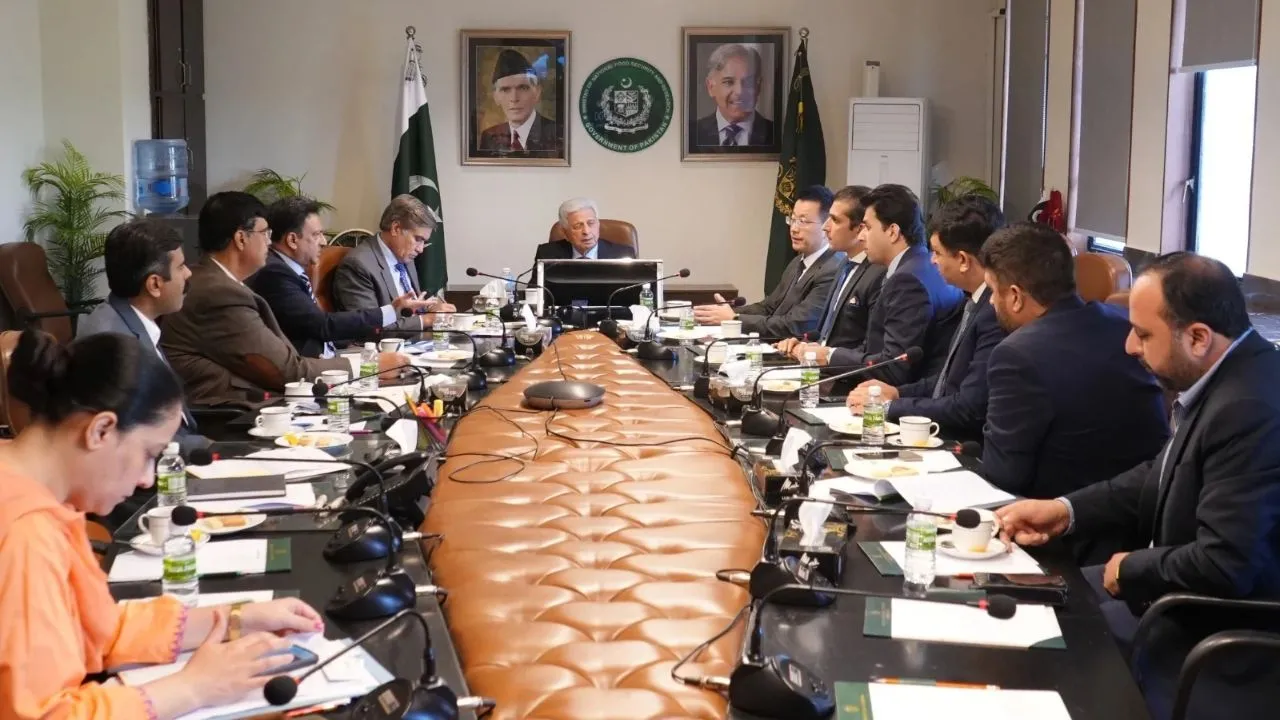
Mr. Minjie Ying, Head of Seeds Business for Africa, Middle East and Asia at Syngenta Group, traveled to Pakistan for a series of high-level meetings with senior government officials. Accompanying him was Syngenta Pakistan's country leadership team, which included Country General Manager Zeeshan Baig, Head of Corporate Affairs Syed Ali Murtaza, and Head of Field Crops Khurram Shahzad. The four-day visit centered on introducing advanced seed technologies and strengthening bilateral agricultural collaboration between Pakistan and China to support national food security and boost overall agricultural productivity.
The high-level discussions explored new seed technologies across key crops, specifically focusing on cotton, corn, hybrid wheat, rice, and sunflower. Cotton remains a vital pillar for the domestic textile industry and export earnings, while wheat plays a central role in national food security. Innovation in these specific crops, alongside corn, rice, and sunflower, offers substantial potential to enhance agricultural productivity, strengthen farmer resilience, and support the long-term competitiveness of the agricultural sector.
Meetings With Provincial and Federal Authorities
During the visit, the delegation traveled to Lahore to meet with the Agriculture Department, Punjab. The meeting was chaired by Syed Ashiq Hussain, Minister for Agriculture, Punjab. This provincial engagement built upon previous talks between Syngenta Group China's leadership and the Government of Punjab in Beijing last year, furthering discussions on agricultural collaboration and bringing advanced seed technologies to the country. Officials from the Government of Punjab assured the visiting corporate leadership of their full administrative support.
In Islamabad, the delegation held discussions with the Federal Minister and Secretary for National Food Security and Research, the Chairman of the National Agri-Trade and Food Safety Authority, representatives from the Prime Minister's Office, and the Federal Secretary for Commerce. These federal meetings addressed key institutional frameworks, regulatory matters, and policy measures needed to facilitate agricultural modernization. The timing aligns with recent policy developments at the federal level regarding biotechnology integration.
Addressing Regulatory Frameworks and Biotech Policies
The dialogues in Islamabad covered specific regulatory matters concerning biotech seed imports and cotton variety approvals. Discussions also touched upon taxation and customs classification of biological products, as well as pesticide shelf-life regulations. Participants evaluated these topics with reference to established international practices and scientific evidence. These engagements arrived in the specific context of the Government of Pakistan's recent approval of the National Agricultural Biotechnology Policy, creating an opening for private sector innovation.
Regulatory hurdles have historically influenced the speed at which foreign agricultural innovations enter domestic markets. By engaging directly with trade and food safety authorities, the corporate delegation sought to clarify compliance pathways for biological products and imported seed varieties. Streamlining these processes is viewed by industry participants as a necessary step for introducing high-yielding crop varieties to local growers efficiently.
Field Visits and Direct Interaction With Farmers
Beyond institutional meetings in Lahore and Islamabad, Mr. Minjie Ying spent time visiting various agricultural fields across Punjab. During these field visits, he interacted directly with local farmers to hear first-hand accounts of the daily challenges they face in crop production. Direct feedback from cultivators provides international firms with practical insights into pest pressures, climatic variables, and economic constraints affecting local harvests.
These grassroots interactions complement the high-level policy discussions by grounding corporate strategy in the realities of rural farming communities. Understanding regional agronomic conditions helps tailor seed technologies to specific soil and weather patterns found across different farming districts in Punjab. Through these comprehensive engagements, Syngenta reaffirmed its commitment to working alongside public authorities to advance agricultural innovation and support growers.
Broader Context of Pakistan Agriculture and Crop Innovation
Agriculture remains a foundational pillar of the national economy, employing a substantial portion of the rural workforce and supplying raw materials to domestic industries. Crop yields face continuous pressures from changing weather patterns, pest infestations, and water scarcity. Introducing resilient seed varieties serves as a primary method for mitigating these environmental and economic risks for rural households.
Hybrid and biotech seeds are engineered to deliver higher yields, resist specific pests, and tolerate environmental stresses better than traditional varieties. For instance, advanced cotton seeds can reduce the need for chemical pesticide applications while improving fiber quality for the textile sector. Similarly, hybrid wheat and corn varieties contribute to closing the gap between potential and actual farm yields across major agricultural zones.
Strengthening Pakistan-China Agricultural Cooperation
The recent diplomatic and corporate engagements reflect broader economic ties between Pakistan and China, particularly within the framework of agricultural modernization. Collaborative efforts in agricultural science allow local research institutions and private enterprises to share technical knowledge, laboratory resources, and agronomic expertise. This partnership supports the dissemination of modern farming practices from research stations down to smallholder farmers.
Government initiatives to adopt biotechnology frameworks signal a shift toward embracing science-led solutions for food security challenges. As administrative bodies review import protocols and variety testing procedures, international companies are positioning themselves to supply certified seeds that meet rigorous standards. The ongoing dialogue between corporate leaders and government ministries establishes a structured pathway for future technology transfers and commercial partnerships in the rural economy.