Understanding the Punjab Revenue Authority Crackdown on Digital Payments
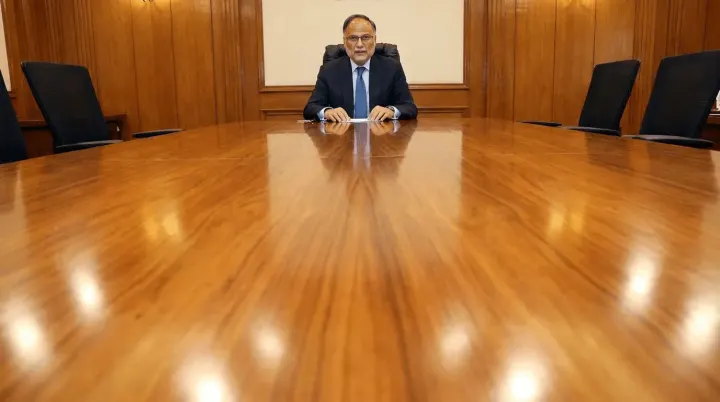
The Punjab Revenue Authority has put digital payments Punjab-wide on the map, and restaurants and hotels that block cashless transactions now face serious consequences. PRA Chairman Moazzam Iqbal Sipra chaired a high-level meeting on 20 November 2026 and issued a clear warning: comply with digital payment rules or expect heavy penalties.
This aggressive regulatory shift targets the hospitality and food service sectors across the province, encompassing everything from small roadside eateries to large international dining chains. Authorities intend to close loopholes that have historically allowed businesses to underreport earnings and evade provincial taxes.
By compelling establishments to adopt transparent electronic systems, the government hopes to modernise financial transactions and bring hundreds of thousands of daily sales onto official tax records. The enforcement campaign relies heavily on active monitoring, verification of receipts, and direct participation from consumers who experience non-compliance firsthand.
What Did the PRA Actually Say?
The Punjab Revenue Authority warned of strict action against hotels and restaurants creating hurdles in the digital payment system across the province. The message is direct and covers every type of food business, from small roadside dhabas to large international chains.
Businesses forcing customers to pay in cash will be placed on the authority's radar. Heavy fines will be imposed on hotels and restaurants using unregistered Point of Sale systems or receiving payments into unauthorised bank accounts.
Officials also decided at the meeting that tax misappropriation and forgery in payment records will not be tolerated. The PRA has directed its vigilance wing to verify business receipts and payment records across various districts of Punjab.
Digital Payments Punjab Rules You Must Know
This is not the first time the PRA has acted. The authority has been building pressure on the food sector for months. In August, the authority banned handwritten bills at restaurants and marriage halls and asked diners to insist on digital receipts bearing a PRA invoice number and QR code, and to report outlets that refuse card payments. In September it set up a digital monitoring cell, after posting its highest-ever two-month collection of Rs54.8 billion.
The authority has already issued notices to more than 70 restaurants following complaints received through social media. That number shows this is not just talk, the PRA is using public complaints as a real enforcement tool.
PRA Chairman Sipra said that digital payments must be made only to the bank accounts officially declared by the companies concerned, a measure intended to prevent the manipulation of records. So even if a business does accept a card or QR scan, routing that payment to an undeclared account is still a violation.
The chairman also directed that QR codes be made mandatory on all receipts issued through the Electronic Invoice Monitoring System, allowing customers and officials to verify them immediately.
Carrot and Stick: The PRA Prize Scheme
The PRA is not only using threats. It is also offering a reward to bring customers on board. The Punjab Revenue Authority has decided to launch a rewards scheme for customers in the hotels and restaurants sector across the province to expand the tax net and promote digital transactions.
Customers who pay digitally by QR code for food, drinks or other services at hotels and restaurants will have access to a modern and fast payment facility and will also be eligible to win various prizes under the scheme. Before the launch of the prize scheme, the authority will ensure that restaurants regularly issue proper digital receipts to consumers.
This double approach, penalising non-compliant businesses while rewarding customers who pay digitally, is a smart policy design. It creates pressure from both sides of the till.
How to Report a Business That Refuses Digital Payment
Ordinary customers have real power here. The Punjab Revenue Authority has warned that if any business refuses to accept digital or card payments, citizens can file a complaint with the relevant authorities. Consumers should not accept fake or unverified receipts against their food bills and have been urged to lodge complaints against businesses that refuse to accept digital payments or fail to issue receipts.
The PRA also has a social media complaint system. The authority ordered the immediate examination of complaints received through social media. So a quick post or message about a restaurant refusing your card can directly trigger an official notice.
Pakistan's Bigger Cashless Drive
The PRA's crackdown on digital payments Punjab-side fits neatly into a much larger national push. One year into Pakistan's Cashless Economy Initiative, digital transactions have nearly doubled to 11.3 billion, active merchants accepting digital payments have quadrupled to 2 million, and financial inclusion has crossed 69 percent.
The State Bank of Pakistan is the main engine behind this drive. Unveiling its Vision 2028 for Digital Payments, the SBP said its mission is to digitise all payments in Pakistan through a robust, ubiquitous, reliable, and customer-friendly ecosystem. The government committed to ensuring that all salaries, pensions, and welfare transfers shift to digital platforms, while retailers will be required to provide consumers with accessible digital payment options.
The SBP also proved that digital can work in tough settings. SBP's Go Cashless campaign recorded more than 480,000 digital transactions worth over PKR 34 billion during Eid-ul-Azha 2026, reflecting a sharp rise in cashless activity compared to previous years.
The restaurant sector in Punjab was always going to be a key battleground. Food businesses handle millions of small transactions every day. If those stay in cash, they stay off the tax record. The Punjab Revenue Authority knows that moving dining payments to digital is one of the fastest ways to widen the provincial tax base.
What This Means for Restaurant Owners
If you run a hotel, restaurant, café, or food chain in Punjab, there are three things to do right now. First, make sure you have a registered POS system or QR code linked to your officially declared bank account. Second, issue proper digital receipts through E-IMS for every sale. Third, do not ask customers to pay cash when they want to pay digitally. The PRA vigilance teams are active across districts, and social media complaints are being actioned quickly.
The era of the handwritten bill is over. Digital payments Punjab-wide are now a legal obligation, not just a nice option.