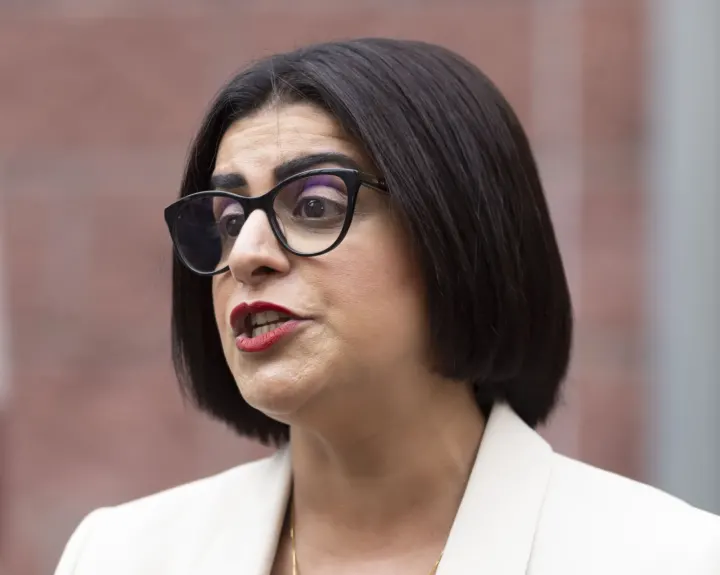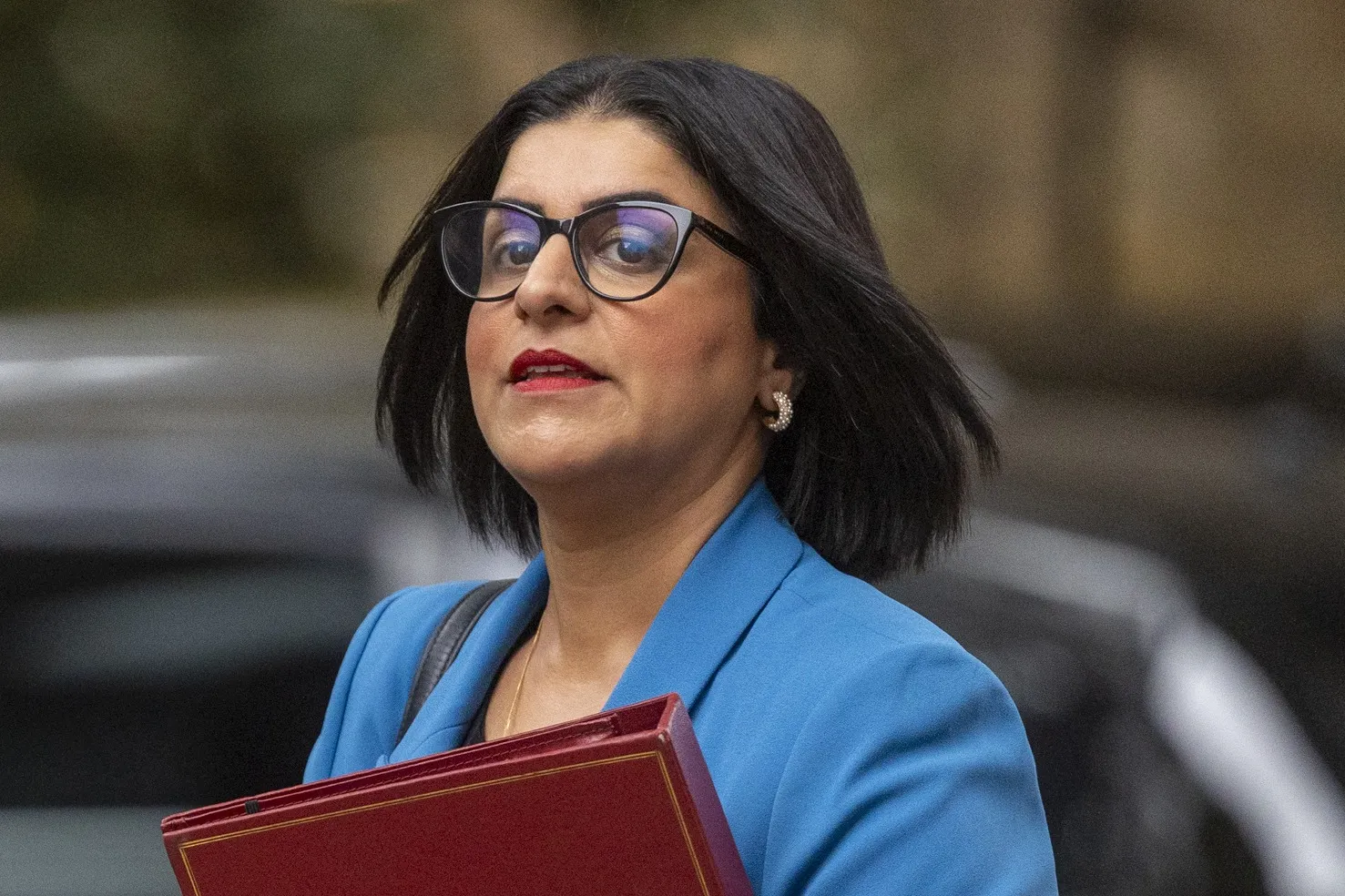
Shabana Mahmood Admits U-Turn on Migrant Plans Increases Welfare Costs
Home Secretary Shabana Mahmood has acknowledged that changing course on controversial immigration reforms will increase the already rising public welfare budget. The government stepped back from stricter requirements after facing intense internal opposition from left-wing members of Parliament. This decision directly affects hundreds of thousands of foreign care workers who arrived in the country during past migration surges.
The policy shift arrives at a delicate time for public finances. Government expenditures on welfare face severe scrutiny, and officials must balance integration with fiscal responsibility. The revised strategy alters how foreign nationals attain permanent residency in Britain, moving away from automated timelines toward a system tied to continuous contributions.
Why the Government Changed Course on Care Worker Visas
The decision to soften immigration rules follows sustained pressure from Deputy Prime Minister Angela Rayner and more than 100 Labour backbenchers. Ministers chose to spare nearly 300,000 care workers from tougher restrictions that would have delayed their ability to settle permanently. Official data indicates that approximately 146,000 primary care workers and 136,000 adult dependants will benefit directly from this specific concession.
To qualify for the exemption, these individuals must have entered the designated visa route before May 2025. They are also required to maintain a minimum annual salary of £25,000 and remain fully compliant with all original visa conditions. An additional 100,000 individuals, including various dependants who do not meet these precise criteria, will receive a secondary five-year visa as an alternative pathway.
Broader Revisions to the Earned Settlement System
Beyond the care sector, the Home Secretary announced several other modifications to the immigration framework. Plans that would have forced lower-skilled migrants to wait 15 years for permanent settlement were shortened to a ten-year requirement. Furthermore, the administration dropped proposals that would have required adult dependants to qualify for permanent status completely independently from their primary partners.
Couples will generally retain the ability to settle together as a unit, provided they fulfill the necessary residency duration and associated criteria. The Home Office also removed a provision that would have granted accelerated settlement to migrants who engaged in regular volunteering work. Despite these concessions, the broader framework maintains a ten-year standard wait for permanent residency, replacing the previous five-year baseline for many applicants.
Impact on Public Finances and the National Welfare Bill
Public expenditure remains a central concern as administration officials project future budgets. The Office for Budget Responsibility estimates that national welfare spending will climb from £353 billion in the current period to £431 billion by the year 2032. Exempting hundreds of thousands of workers from stringent limitations directly influences long-term fiscal projections regarding public services and social support access.
Previously, Ms Mahmood warned that allowing care workers and their adult dependants to settle by the year 2030 could cost taxpayers roughly £10 billion over their collective lifetimes. Although the administration implemented this £10 billion U-turn, officials have not yet released an updated comprehensive impact assessment detailing the precise financial consequences of the revised measures.
Tiered Settlement Rules for Different Income Brackets
The wider immigration overhaul establishes a tiered system based heavily on individual earnings and professional categories. Approximately 500,000 migrants face extended timelines under the updated regulations, including roles such as professional chefs, butchers, and other occupations falling below higher salary thresholds. Conversely, high-earning individuals making at least £125,141 annually retain the option to apply for settlement after three years.
Individuals earning £50,271 alongside specific public service personnel may qualify for permanent residency after five years. The administration maintains that these structured thresholds will ultimately save public funds by restricting early access to certain state benefits for arrivals who fail to meet the higher financial bars. The Home Secretary described the framework in Parliament as a balanced approach that respects individuals who follow legal channels while protecting domestic taxpayers from undue financial strain.
Implementation Timeline and Future Procedures
The adjustments to the immigration structure will roll out gradually across distinct phases. Implementation begins later this year and continues throughout 2027. This phased rollout coincides with the period when hundreds of thousands of migrants who arrived during the post-pandemic boom reach the necessary residency milestones to apply for settled status.
Observers and stakeholders across the public sector continue to monitor how these phased introductions will function in practice. The Home Office insists that the core objective of linking permanent residency to active economic contributions remains intact, even as specific occupational exemptions soften the initial impact for the care sector. Further administrative guidelines and formal application criteria are expected to be published ahead of the rollout dates.