Thar Coal Project to Cut Diesel Costs by Rs. 25 Million Daily
Work has started on connecting Thar coal mines to the national electricity grid and save Pakistan $25-30 million annually in diesel costs. This major infrastructure undertaking aims to modernize mining operations in the region by transitioning away from expensive liquid fuels toward reliable grid-supplied power.
The contract for the project has been awarded and the contractor has mobilized at the site. The government now expects the work to be completed by April 2028, around eight months ahead of the original end-2028 deadline. Federal authorities and energy sector planners view this accelerated timeline as a critical step in lowering operational expenditures across the country's primary domestic coal basin.
How Grid Connectivity Will Transform Thar Coal Operations
The project will connect mining operations in Thar Block I and Block II to the national grid through 132kV transmission lines from the Islamkot Grid Station. The infrastructure will supply around 60 megawatts of electricity to the mining sites. This high-capacity connection ensures that heavy machinery, ventilation systems, and processing units receive a steady, uninterrupted flow of electricity.
At present, the mines rely on diesel-generated electricity, which costs around 33 cents per kilowatt-hour. Grid electricity is expected to bring the cost down to 13 cents per kilowatt-hour, reducing it by more than 60 percent. This dramatic drop in energy expenses directly addresses one of the most burdensome cost drivers for companies operating in the Thar desert.
Understanding the Daily Diesel Consumption in Thar Mines
The mines consume between 200,000 and 250,000 litres of diesel daily, including around 35,000 litres for dewatering. Dewatering is an essential and energy-intensive process in Thar, where continuous pumping is required to keep open-pit mines clear of underground water seepage. Replacing diesel with grid electricity is expected to reduce daily diesel expenses by approximately Rs. 25 million.
Running massive generators around the clock on diesel fuel has long strained the financial viability of coal extraction in the region. By substituting diesel generation with high-voltage power lines from the national grid, operators eliminate the logistical challenges of transporting millions of litres of fuel across remote desert terrain. This transition streamlines supply chains and protects project budgets from sudden fluctuations in international oil prices.
Impact on Coal Production Costs and Electricity Tariffs
The shift is also expected to lower coal production costs by around $0.70 per tonne, potentially reducing the tariff for electricity generated from Thar coal. Lowering the cost of raw coal has a direct ripple effect on power plants built near the pitheads, which in turn feed electricity into the broader national network. Cheaper fuel inputs translate to more affordable power generation for consumers and industrial users alike.
The project is projected to cut carbon emissions by about 80,000 tonnes annually. Moving away from heavy diesel combustion engines improves local air quality around the mining complexes and contributes to national carbon reduction targets. Environmental compliance remains a key consideration for large-scale energy projects seeking international financing and adherence to modern industrial standards.
Review Meeting Details and Future Fleet Electrification
A review meeting chaired by Federal Minister for Power Sardar Awais Ahmad Khan Leghari was informed that Thar Block I plans to introduce around 40 electric trucks by the end of this year. Block II plans to begin deploying electric vehicles in 2028, alongside the completion of grid connectivity. These heavy-duty electric haulers will replace diesel-powered dump trucks used to transport overburden and extracted coal within the pit areas.
The integration of electric mining trucks capitalizes on the newly available grid power, creating a fully electrified ecosystem from excavation to transport. Officials monitoring the progress receive regular updates on contractor mobilization, equipment procurement, and transmission line construction schedules. The synergy between grid expansion and fleet electrification marks a decisive shift in how heavy resource extraction is conducted in Pakistan.
Background and Technical Scope of the Islamkot Grid Integration
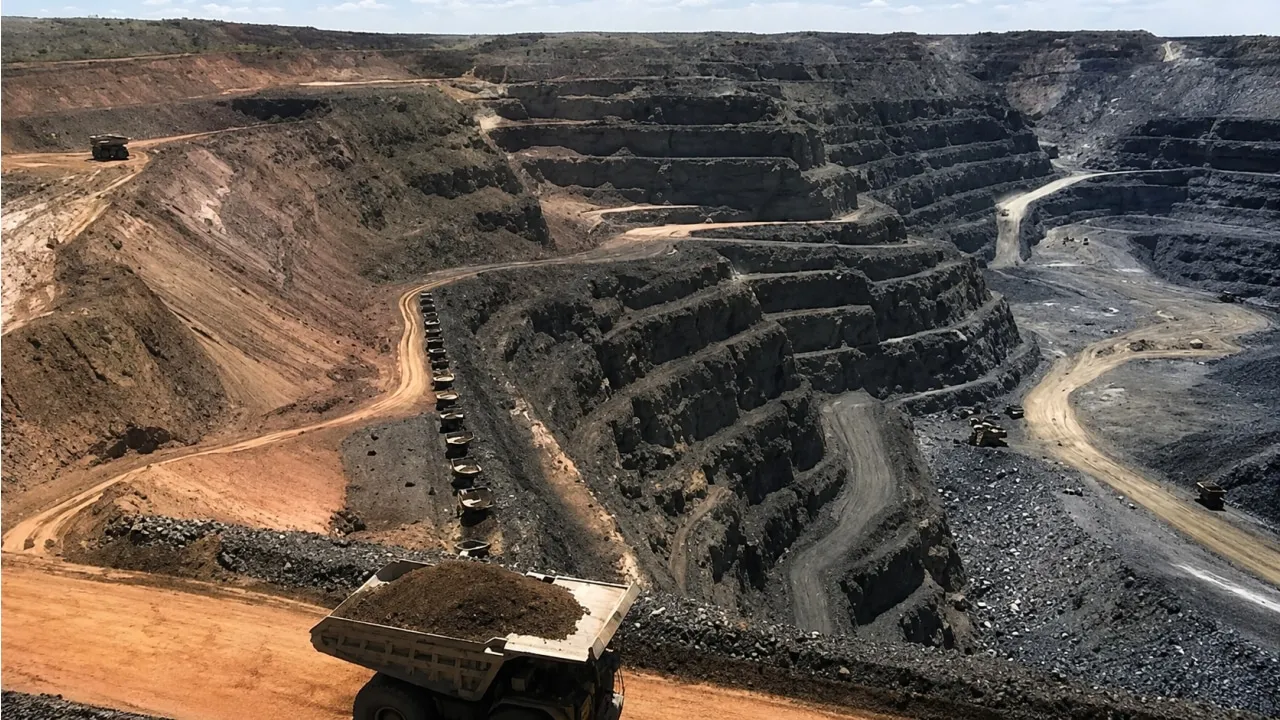
The Thar coalfield spans multiple blocks, with Block I and Block II representing the most advanced commercial developments to date. Extracting lignite coal from these massive open-pit mines requires immense mechanical power for digging, crushing, and dewatering. Historically, the remote geographical location of the Thar desert meant that connecting to the central power transmission network was not feasible during the initial exploration and early extraction phases.
Instead, mine operators relied on captive power plants and diesel generators to maintain continuous operations. While effective in the short term, this reliance exposed projects to high fuel costs and logistical hurdles. The extension of 132kV transmission lines from the Islamkot Grid Station bridges this infrastructural gap, integrating the isolated desert mines into the country's wider energy grid. Energy planners anticipate that this linkage will stabilize local power supply while diverting valuable petroleum products away from power generation and toward other national needs.





