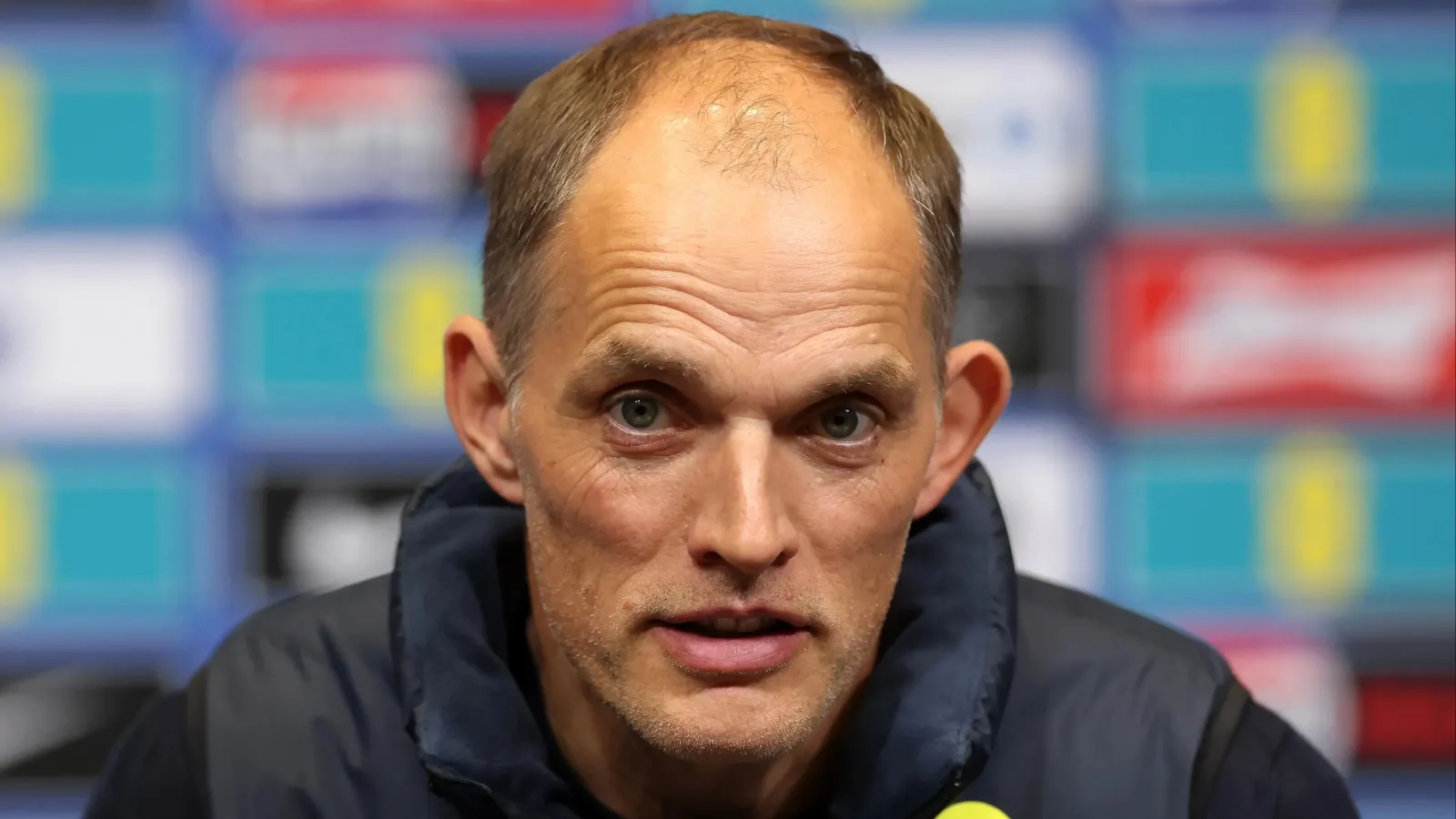
England manager Thomas Tuchel has confirmed that Morgan Rogers will face no punishment after the attacking midfielder passionately defended his Chelsea team-mate Cole Palmer following an international selection snub. The 24-year-old player voiced strong support for his club colleague after England secured a 2-1 victory over Croatia on Thursday. Despite national team staff being informed that Palmer was fully fit to play, the playmaker failed to earn a call-up to the squad.
Tuchel stated that he had no issues with Rogers speaking out in defence of his close friend and club team-mate. The German coach addressed the media following the Nations League fixture, explaining that team loyalty and friendship naturally prompt players to support one another when selection controversies arise. The situation brought significant attention to squad dynamics and the physical struggles players face during demanding domestic and international calendars.
Why Thomas Tuchel Has No Issue With Morgan Rogers
Rogers did not hold back when discussing the omission of his fellow club player from the national team setup. Speaking to BBC Radio Five Live, the former Aston Villa and Middlesbrough player addressed public narratives surrounding Palmer directly. He stated, It is a lie. He wants to be here. He wanted to get called up and he wanted to come and represent his country as he always has done. People just see it as news and say the easy thing.
When asked about the situation, Tuchel adopted a pragmatic stance regarding player loyalty. Tuchel said, It is totally fine. He is his team-mate and, I guess, his friend, so why would not he? This response helped defuse potential tension within the national camp while acknowledging the strong bonds formed at club level.
Understanding Cole Palmer and His Recent Injury Struggles
The debate around the national team selection centres heavily on the physical condition of the young playmaker. Rogers shed light on the difficulties his colleague experienced over the previous competitive cycle. We all know he had a difficult year last year with injuries and I know personally he has been managing injuries ever since, Rogers explained during his radio interview.
The physical toll of top-flight football often forces players into difficult positions regarding international availability. Rogers added that Palmer was in quite a low place with his injuries last year and did not feel 100 per cent himself on the pitch. Despite these historical setbacks, the player maintains a strong desire to pull on the national shirt and perform at his absolute best.
The Broader Impact of Squad Selections on Club and Country
Player selections for international squads always create intense discussion among supporters, pundits, and players alike. When high-profile names are left off team sheets, questions inevitably arise about fitness, tactical fit, and communication between international managers and club medical departments. For Chelsea, managing the physical workloads of key assets like Palmer remains a priority, especially after previous injury interruptions.
At the same time, ambitious players naturally want recognition on the international stage. Missing out on major tournaments, such as the World Cup, adds extra motivation for athletes striving to cement their places in the national setup. The backing from peers like Rogers demonstrates the tight-knit nature of modern dressing rooms, where players actively advocate for their friends when selection debates dominate the headlines.
What Lies Ahead for England and Domestic Stars
As the international calendar progresses, national team coaches face ongoing selection dilemmas across all groups. Players looking to break into the starting XI must maintain consistent form at club level while proving their fitness to the coaching staff. Watchers of the game will monitor how squad dynamics evolve as future fixtures approach and international qualification campaigns continue to unfold across Europe.
For now, the immediate focus returns to club commitments as players reintegrate with their respective teams following the international break. Managers must balance player welfare with the demands of domestic and continental competitions, ensuring that fitness concerns are handled transparently between club and country.