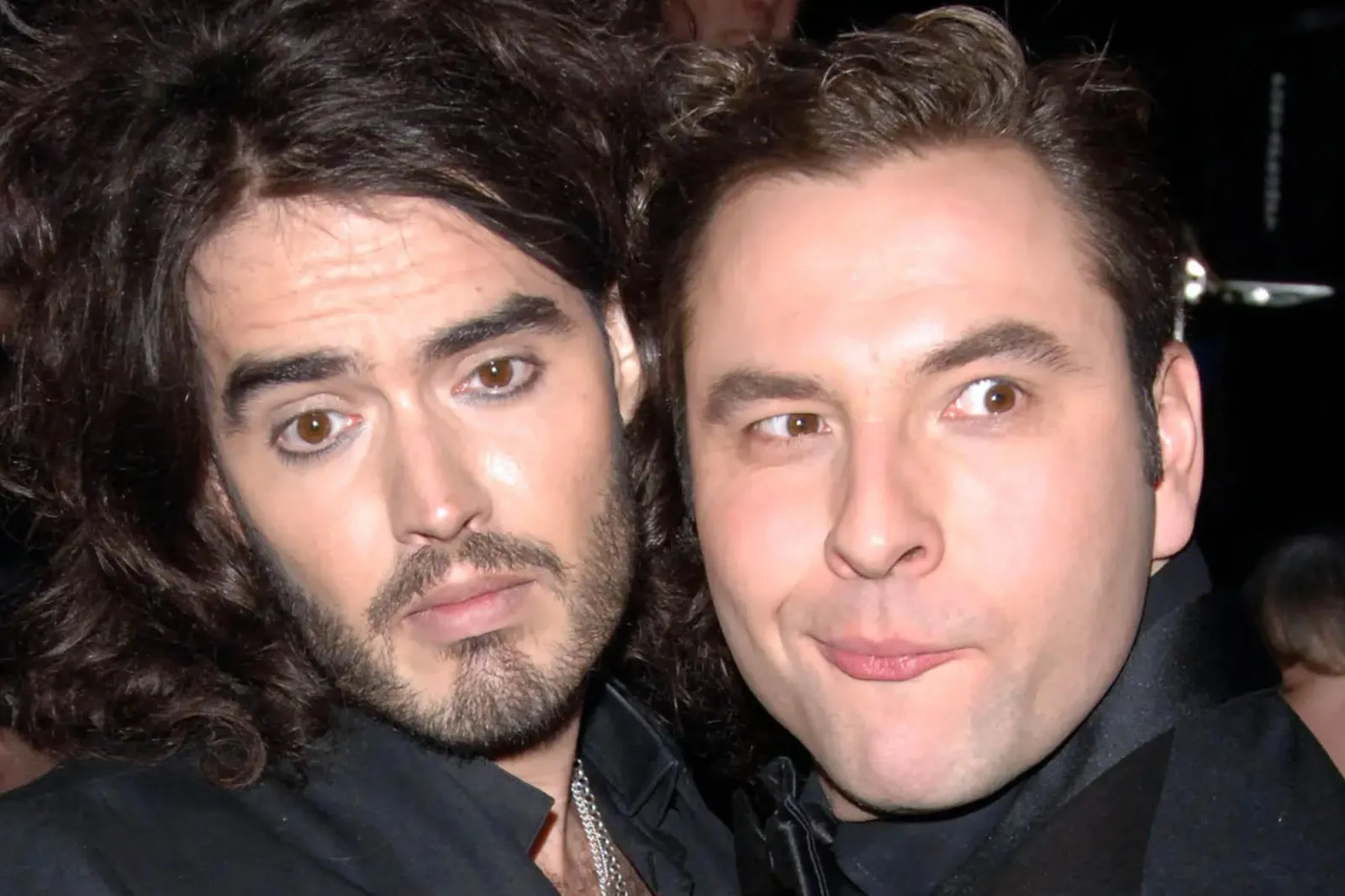
Britain's entertainment industry is confronting a wave of legal and public-relations fallout after the Russell Brand trial, the overturning of a David Walliams injunction and Jonathan Ross's public apology, signaling what many describe as the country's #MeToo moment.
The developments have forced a national conversation about decades-long misconduct in nightclubs, TV studios and celebrity circles, and have placed broadcasters such as ITV under intense scrutiny.
What Triggered the Current Wave of Allegations?
Over the past two weeks, a succession of high-profile cases has emerged. The most prominent is the Russell Brand trial, which concluded with the comedian-actor being sentenced to ten and a half years in prison for a series of sexual offences. The verdict followed a lengthy investigation by the Sunday Times and Channel 4's Dispatches programme, which relied on testimonies from women who said they had been groomed, threatened or assaulted by Brand during the 2000s.
At the same time, a court ruled that an injunction previously granted to David Walliams - a popular children's author and television presenter - was unlawful, allowing further claims of sexual impropriety to be reported. Within days of that decision, a second celebrity launched a legal gagging order, a move that has drawn criticism from campaigners who argue that such orders silence victims.
Jonathan Ross, a long-standing BBC presenter, issued a grovelling public statement apologising for past jokes that many women have described as "assault-adjacent". His apology came after renewed pressure from social-media activists demanding accountability for language that trivialises sexual violence.
Why This Is Considered Britain's #MeToo Moment
The term #MeToo in the UK has historically been linked to the Harvey Weinstein scandal and the subsequent exposure of misconduct in the film industry. The current cluster of cases differs in that it spans comedy, children's entertainment and mainstream television, illustrating that abusive behaviour is not confined to any single sector.
For the first time, a large number of victims have spoken out publicly, and the legal system has responded with convictions and the overturning of gagging orders. The convergence of media investigations, courtroom outcomes and public apologies creates a tipping point that could lead to broader cultural change.
How the Entertainment Industry Operated in the Noughties
During the early 2000s, a culture of permissive partying flourished in London nightclubs such as Chinawhite, Boujis, Whiskey Mist, Bungalow 8 and Mahiki. Celebrities, footballers and models mingled in an environment where "joking about rape" was often treated as harmless banter. Notable examples include Rhys Ifans's 2008 comments, Jimmy Carr's quip about football and rape, and Ricky Gervais's self-deprecating story about a near-rape at the Edinburgh Festival.
Women who reported inappropriate behaviour at the time were frequently dismissed or told to "keep quiet". Legal instruments such as injunctions and gagging orders were sometimes used by high-profile individuals to prevent media coverage, effectively shielding them from public accountability.
What Legal Mechanisms Are Involved?
In the UK, an injunction is a court order that can prohibit the publication of certain information. While intended to protect privacy, injunctions have been criticised when used to silence allegations of sexual misconduct. The recent overturning of David Walliams's injunction demonstrates judicial willingness to balance privacy against the public interest in exposing alleged crimes.
Gagging orders, a form of injunction, are similar but often applied in civil cases. Their use in sexual-assault allegations raises concerns about victim-silencing. Legal experts note that courts must assess whether the order is "necessary" and proportionate, especially when the allegations involve potential criminal conduct.
Impact on Broadcasters and Sponsors
ITV, which has aired shows presented by Russell Brand and Jonathan Ross, now faces pressure from advertisers and viewers to reassess its relationship with these personalities. Social-media campaigns have called for the removal of Brand from any upcoming projects and for Ross's shows to be reviewed for content that could be deemed offensive.
Despite the backlash, the article notes that Brand's next chat show is already in the can and scheduled to air in January, and he will continue as a judge on The Masked Singer. ITV's decision to proceed reflects the tension between contractual obligations, commercial considerations and public sentiment.
What Comes Next for the Victims and the Industry?
Legal experts say that more victims may emerge as the climate encourages disclosure. Courts will continue to hear cases involving injunctions and gagging orders, and media outlets are likely to pursue further investigations into historic misconduct.
Industry bodies such as the British Academy of Film and Television Arts (BAFTA) have pledged to strengthen safeguarding policies. Broadcasters are expected to implement stricter vetting processes for on-air talent and to provide clearer channels for reporting abuse.
Practical Takeaways for Readers
If you suspect misconduct, you can report it to the police, to industry-specific safeguarding hotlines, or to organisations such as Women's Aid. For journalists, the ruling on Walliams's injunction underscores the importance of verifying the public interest before seeking court suppression.
Audiences can influence change by supporting programming that upholds respectful standards and by holding networks accountable through feedback and social-media engagement.
While the past cannot be undone, the current wave of accountability signals a shift toward a more transparent and safer entertainment environment in the United Kingdom.