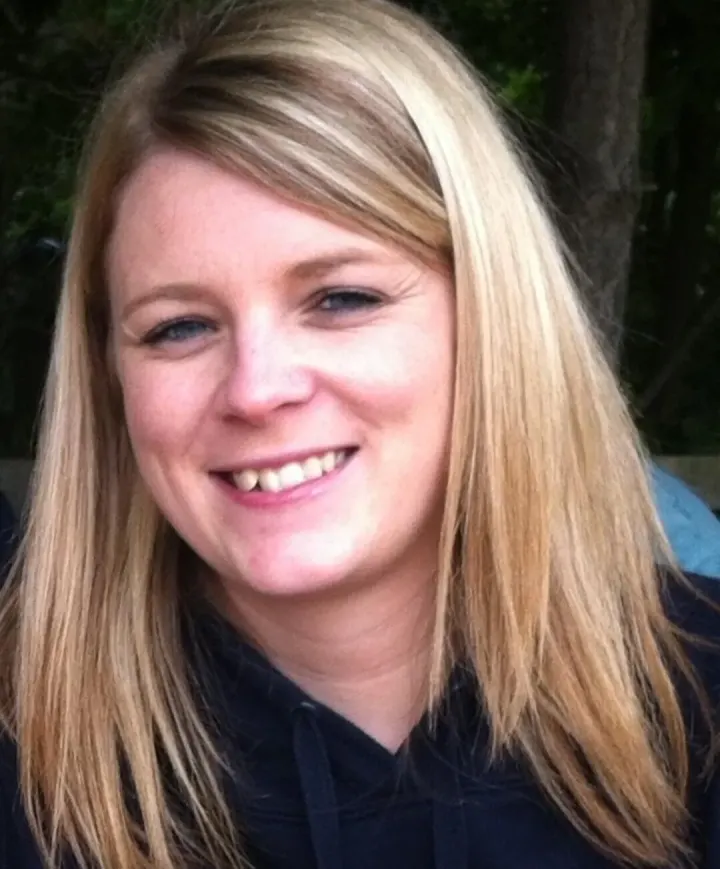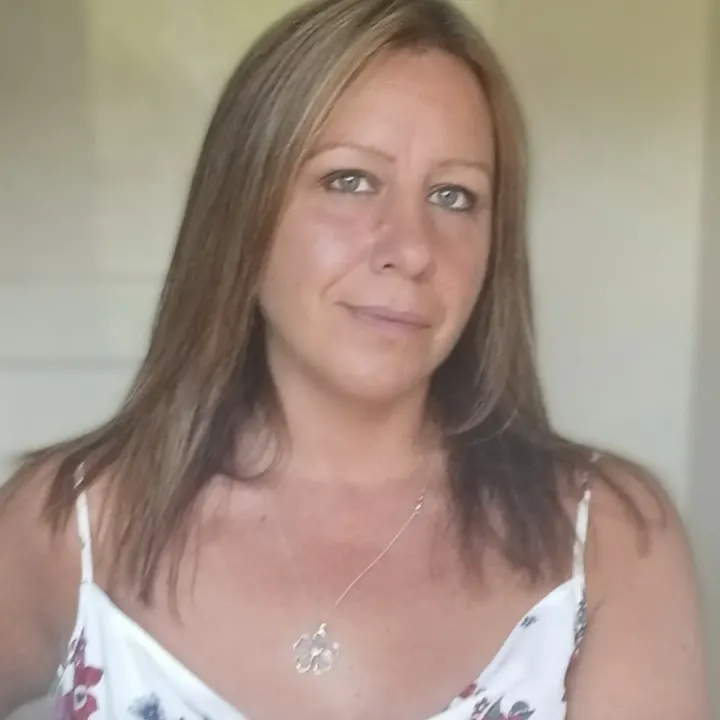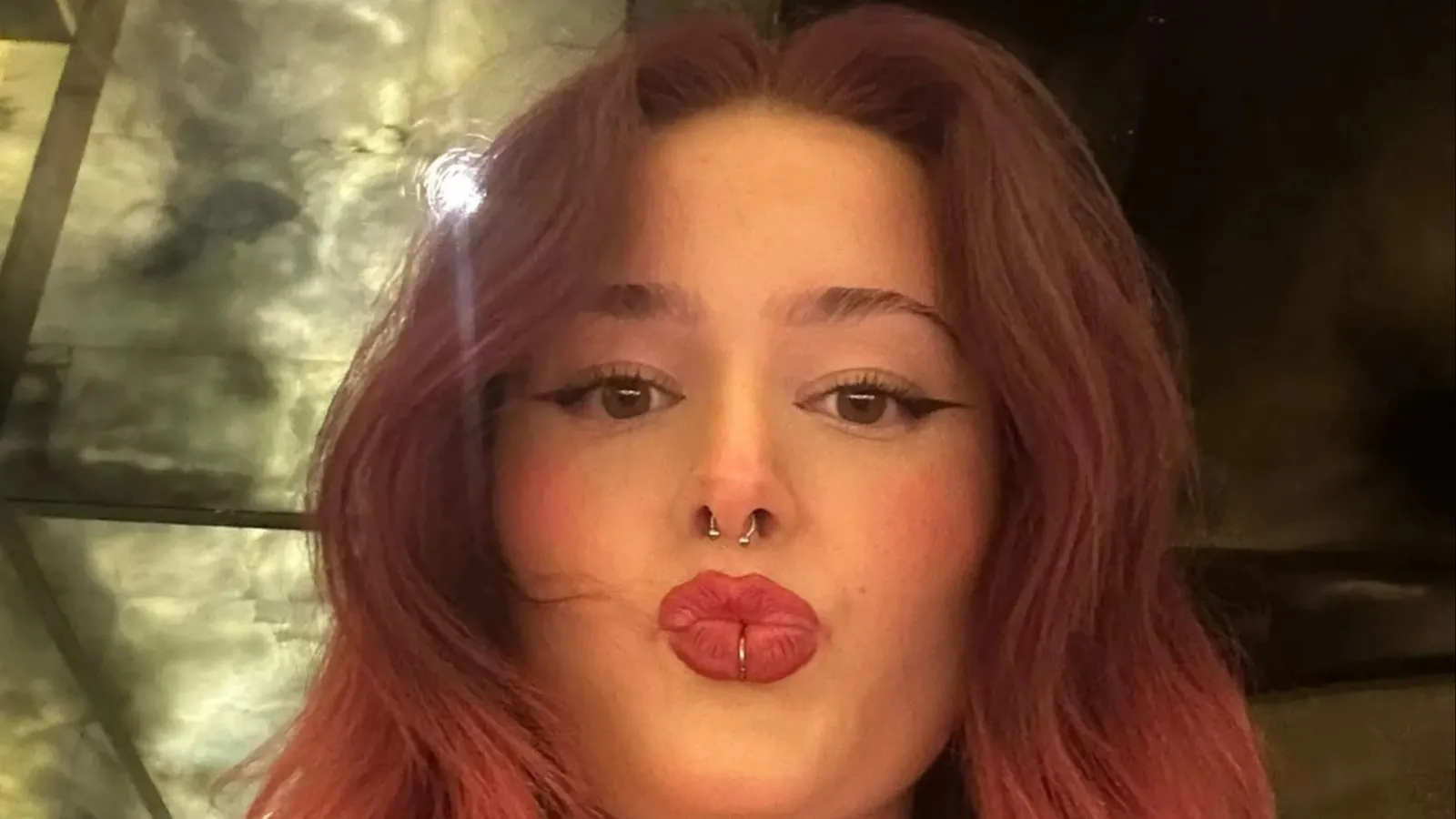
A woman is urging others to stay away from a skin cream that has ruined her life, making it impossible for her to date. Issy Law, an admin assistant from Manchester who works in an office, has suffered with eczema since she was six months old, initially experiencing it on her hands and the creases of her body. The 22-year-old had previously used steroid creams to manage her eczema and was prescribed oral steroids when her symptoms became severe in September 2023.
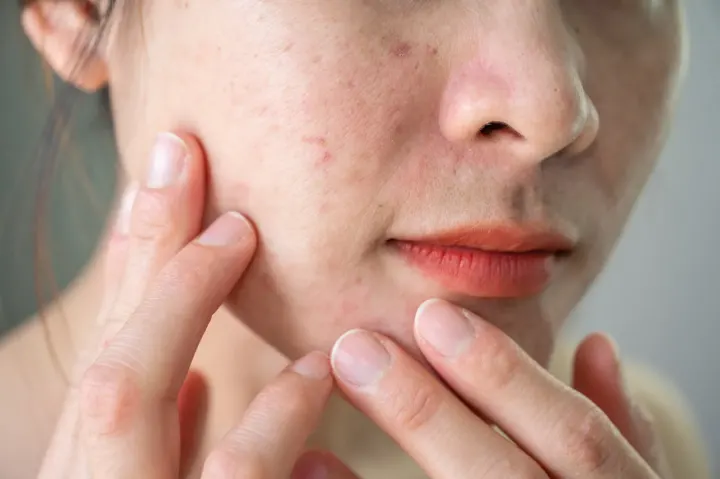
However, she went on to develop Topical Steroid Withdrawal (TSW), which is a rebound skin condition that is worse than the original problem. People with it realise that their skin is dependent on steroid treatment to be comfortable, and without it, their skin gets severely worse. Many people who realise they have TSW will stop treatment entirely, which causes an intense, full-body inflammatory reaction which may last several years. Signs include skin that is very red, oozing, swollen, thickened and wrinkled, cracked and very dry.
Understanding Eczema and First-Line Treatments
Eczema, or atopic dermatitis, is a chronic inflammatory skin condition that frequently begins in early infancy. For millions of people worldwide, general practitioners prescribe topical corticosteroids as the primary method to control inflammation, itching, and painful flare-ups. These medications are categorized by potency, ranging from mild formulations to ultra-potent varieties. When used correctly and for short periods, they offer substantial relief to patients suffering from severe discomfort.
Medical guidelines emphasize that potent steroids should not be used continuously at any site for longer than eight weeks. The National Institute for Health and Care Excellence (NICE) warns that treatment should be for the shortest duration needed to manage the condition. Similarly, the Medicines and Healthcare products Regulatory Agency (MHRA) states that steroid medicines are safe and effective when used correctly, but it introduced mandatory new labelling with warnings in 2024 to better inform patients and healthcare providers about potential long-term complications.
The Onset of Topical Steroid Withdrawal Symptoms
Issy has been using steroid treatment since she was a baby, as it is a standard first-line treatment given by general practitioners. When she was moved onto oral steroids in 2023, she noticed that her eczema would come back rapidly once she stopped taking the medication. The flare-up was worse each time, which led to her coming across TSW on social media. After stopping use of steroids entirely in September 2024, her skin and health went downhill and she faced the reality of TSW.
She developed a severe bacterial and viral infection covering her face, chest, back and thighs, meaning she had to briefly go back onto the oral steroids. Her skin was left red and oozing, so she reduced her medication. Issy says she is pretty much allergic to everything she puts on her body. Some days she will wake up and it will be horrendous and some days she will be brand new. There is constant anxiety because you do not know how you are going to wake up, and it is so painful.
Daily Life and the Toll on Personal Relationships
The physical symptoms extend far beyond simple skin irritation. Issy notes that her skin cracks a lot when it is dry and remains extremely flaky. When her skin sheds, she has to hoover her skin and change her bedding every two or three days. Otherwise, the shed skin settles on the floor and bed, gets onto clothes, and requires every single item of clothing to be washed.
Since TSW blighted her life, Issy admits she prefers not to date. She says she cannot be intimate during a flare-up, and even a cuddle can be painful. She explains that it massively affects relationships, noting that when you are having a flare-up, you are not a very nice person to be around because you are in so much pain. She cannot be touched if her skin is on fire and cannot have a cuddle. It can be difficult for partners to understand, leading her to conclude that she prefers not to date because it is easier now.
Alternative Treatments and Experimental Approaches
There is no approved medical treatment for TSW, which remains a relatively newly identified and debated condition within the wider medical community. In November 2025, Issy decided to try No Moisture Treatment (NMT) in a bid to kickstart the healing process. The method involves stopping any use of moisture, including creams, showering, and drinking limited water, to encourage the skin to heal itself rather than remain reliant on external substances.
However, Issy says her skin felt like it was on fire, she experienced hair loss, and she felt generally unwell during the attempt. She states she had no quality of life, noting that every time she woke up her skin would be on fire and she would not want to get up because it is so painful. Subsequently, Issy started a different drug, an immunosuppressant, in May 2026, but reports that she is still suffering from the persistent effects of her condition.
Long-Term Impact and Warnings to Others
Issy now aims to warn others about her experience with steroids so they do not experience the same ordeal she has endured. The impact on her daily grooming and social interactions is profound. She points out that you cannot dye your hair because you will get a flare-up, and you cannot wear make-up or get your eyebrows done without triggering a severe reaction. Anxiety also accompanies meeting new people, as she feels reluctant to even shake hands and often needs to explain her skin condition proactively so people do not question what is visible on her face.
She concludes with a firm caution to others considering or currently using these medications. Issy says she would definitely urge people not to use steroids. While acknowledging that steroids work temporarily, she stresses that when people use steroid cream, the underlying issue will never disappear unless you get rid of the trigger, leading her to recommend that others stay away from them entirely.