How the International Alert Triggered the NCCIA Investigation
The National Cyber Crime Investigation Agency recently dismantled an active child exploitation network operating within Pakistan. Law enforcement action began after a social media platform detected suspicious digital content involving minors. The platform flagged the activity and reported the data to the United States based National Center for Missing and Exploited Children. This organization then forwarded the critical intelligence to Pakistani authorities for immediate intervention.
International cooperation plays a vital role in tracking cross-border digital crimes. Perpetrators often use encrypted platforms and social media applications to hide their identities while distributing illegal files globally. When foreign monitoring bodies detect illicit uploads originating from specific domestic IP addresses, they notify local agencies to protect victims and apprehend offenders. This pipeline allows rapid responses to digital threats that cross multiple national jurisdictions.
Arrest of the First Suspect in Skardu
Following the receipt of foreign intelligence, Pakistani investigators traced the digital footprint to a specific individual. Law enforcement teams arrested Sajid Ali, a resident of Skardu, on October 26. The formal case registration occurred on the same day at the National Cyber Crime Investigation Agency Cyber Crime Reporting Centre in Islamabad. Authorities filed charges under relevant provisions of Pakistan cybercrime legislation and the Pakistan Penal Code.
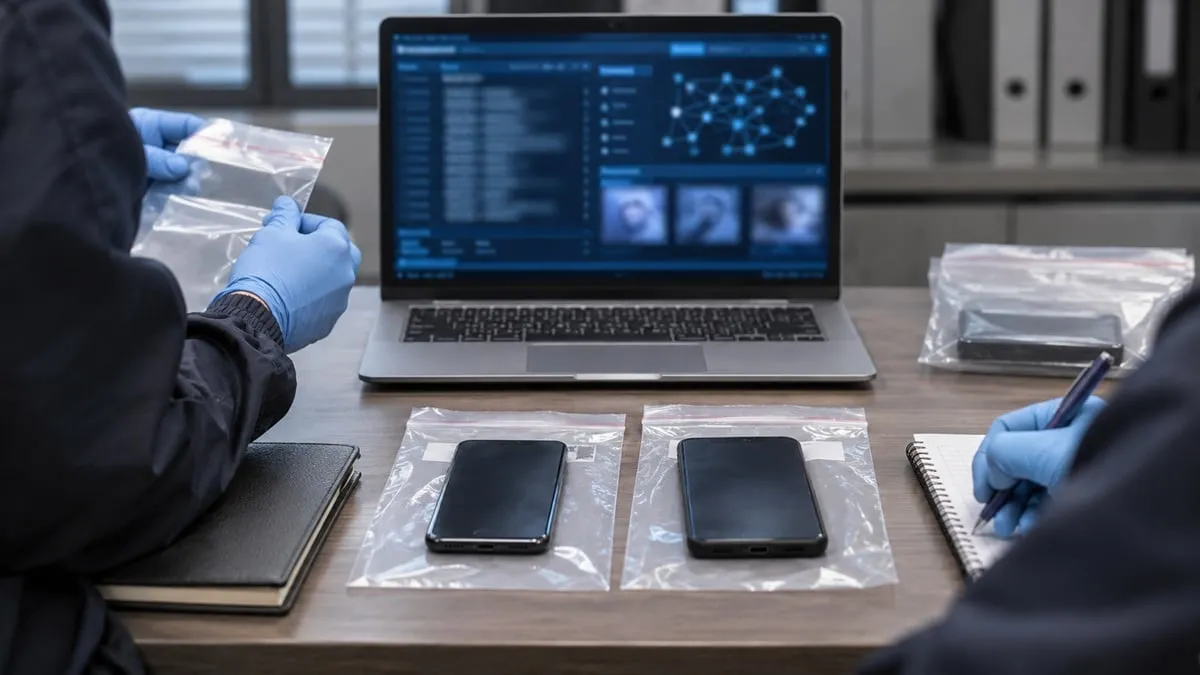
During the initial apprehension, law enforcement personnel searched the mobile phones belonging to the Skardu resident. Investigators reportedly recovered suspected child sexual abuse material from these electronic devices. The files included videos involving children inside Pakistan alongside foreign content originating from other countries. This discovery confirmed that the suspect held a collection of illicit digital media.
Uncovering the Second Suspect and Financial Transactions
During subsequent interrogation sessions, the first suspect allegedly provided information that pointed toward an accomplice. This lead resulted in the arrest of a second suspect on October 29. Officials alleged that the second suspect recorded videos of the sexual abuse inflicted upon his own young child. He then shared these files with the first suspect in exchange for monetary compensation.
Financial records and questioning revealed specific transactions tied to the illicit material exchange. Investigators stated that the first suspect paid Rs. 7,000 for one such video involving the young child. The second suspect reportedly confessed that he recorded the footage at the direct request of the first individual. The National Cyber Crime Investigation Agency requested complete bank statements to examine all financial transactions linked to both suspects, including potential international payments.
Role of Telegram Groups in Circulating Illegal Content
Further examination of the digital evidence revealed broader networking activities. Investigators found that the first suspect was allegedly active inside Telegram groups dedicated to circulating child sexual abuse material. Officials stated that he routinely contacted other members within these chat rooms. He claimed to possess additional videos and actively encouraged participants to share similar illicit content.
During interrogation, the primary suspect described his personal motivation behind these actions simply as mental satisfaction. Digital forensics teams continue to analyze messaging histories to map out the entire communication network. The use of encrypted messaging channels presents significant hurdles for investigators, requiring specialized technical tools to recover deleted media and identify anonymous handles.
Court Proceedings and Physical Remand Details
Following their arrests, law enforcement presented both individuals before judicial authorities to secure custody for questioning. An Islamabad court granted four more days of physical remand for both suspects as investigators continued efforts to identify other members of the alleged network. Investigating Officer Sub-Inspector Muhammad Waseem Khan had originally requested eight additional days of remand. The officer emphasized the necessity of examining electronic devices, social media accounts, and potential accomplices.
The court reviewed the duration of custody already served by the defendants. Records showed that the first suspect had already spent six days on physical remand, while the second suspect had been held for three days. Ultimately, the Judicial Magistrate West granted four additional days of remand for each individual. The court directed the National Cyber Crime Investigation Agency to produce both suspects again on November 6 for further proceedings.