Pakistan 5G Users Near 2 Million Mark Across 24 Cities
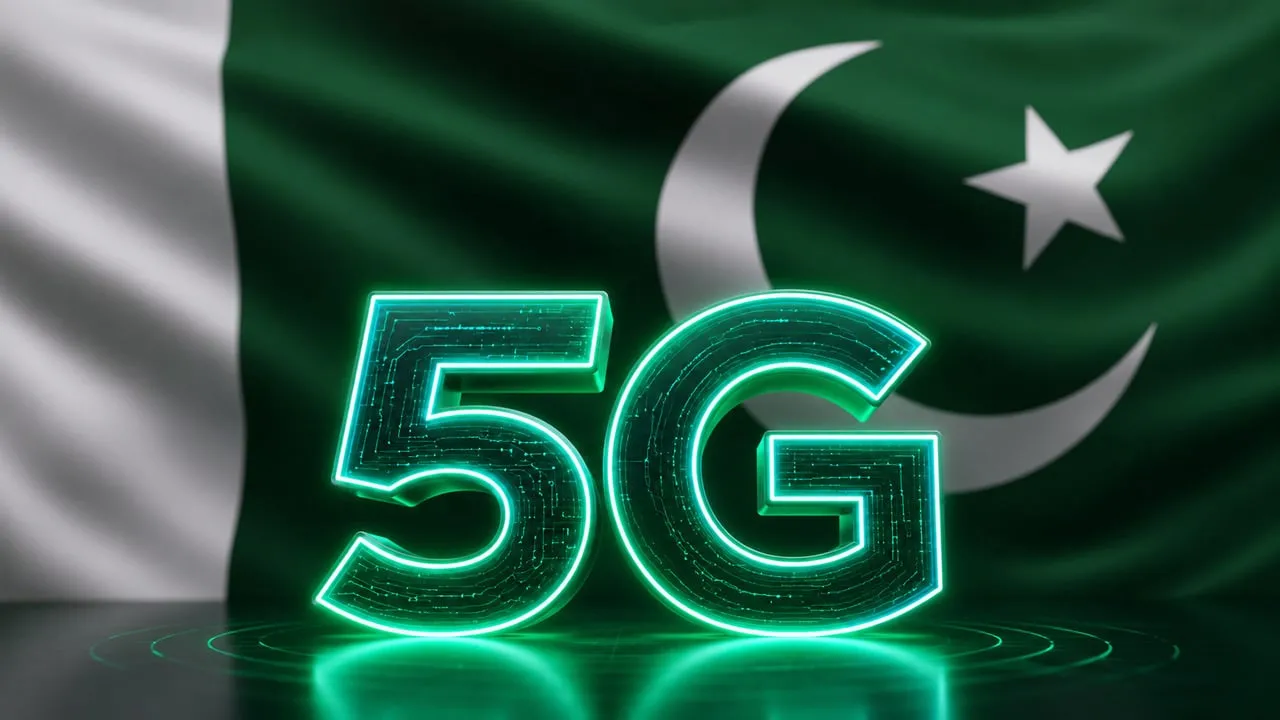
Pakistan has reached approximately 1.8 million 5G users, with the advanced mobile technology now operational in 24 cities nationwide. Federal Minister for Information Technology and Telecom Shaza Fatima Khawaja revealed these figures during a meeting of the National Assembly Standing Committee on Information Technology and Telecom on Tuesday.
The growth of high-speed mobile networks represents a major technological shift for the country, bringing faster data speeds and lower latency to urban centers. Government officials detailed the rollout process during the legislative session, highlighting both the progress made in deployment and the ongoing hurdles faced by telecom operators.
History of Mobile Spectrum Auctions in Pakistan
During the committee meeting, Shaza Fatima Khawaja discussed the historical timeline of spectrum auctions and broadband technology introductions in Pakistan. She stated that the government had conducted a 5G spectrum auction to introduce the technology to the local market. The minister added that no spectrum auction had taken place after former Prime Minister Nawaz Sharif left office.
The political discussion also touched upon previous generations of mobile technology. The minister noted that Nawaz Sharif's government had introduced 4G services in the country. Following those earlier deployments, the current administration moved forward with the 5G spectrum auction to bridge the technological gap and meet rising digital demands.
Lawmakers Raise Concerns Over 3G and 4G Quality
Despite the growth in 5G adoption, members of the National Assembly Standing Committee raised pressing concerns regarding the quality of existing mobile networks. Lawmakers questioned how the country could successfully transition towards 5G when users in several regions continued to struggle with basic 3G and 4G connectivity.
Specific complaints highlighted the uneven distribution of network performance. One committee member stated that mobile internet services had deteriorated since the introduction of 5G. Another committee member complained that even basic network services were entirely unavailable in parts of Sindh.
Challenges Facing Telecommunications Infrastructure
Addressing the criticisms from lawmakers, Shaza Fatima acknowledged that telecom services faced several challenges, including infrastructure theft and electricity-related problems. These operational obstacles hinder the consistent delivery of both legacy and modern mobile services across urban and rural areas.
The minister explained the severity of ground-level security issues affecting the sector. She said entire telecom towers, generators and diesel were sometimes stolen, directly affecting network operations and causing extended outages for local subscribers.
Surging Data Consumption and Network Pressure
Beyond physical security and power issues, the telecommunications sector deals with unprecedented demands on digital bandwidth. The minister added that rising data consumption due to social media and artificial intelligence was also increasing pressure on telecom infrastructure.
As millions of citizens rely more heavily on data-intensive applications, video streaming platforms, and automated tools, operators must manage heavier loads on existing cell sites. This surge in digital traffic explains part of the strain reported by users who experience slower speeds during peak hours.
Future Outlook for Pakistani Telecom Networks
Regulators and telecom operators face the dual task of expanding 5G coverage to more cities while stabilizing 3G and 4G networks across underserved regions. Addressing infrastructure theft and securing reliable power supplies remain urgent priorities for maintaining consistent connectivity.
Observers will monitor upcoming policy decisions from the Ministry of Information Technology and Telecom to see how authorities plan to resolve service complaints in Sindh and other affected areas while sustaining subscriber growth.