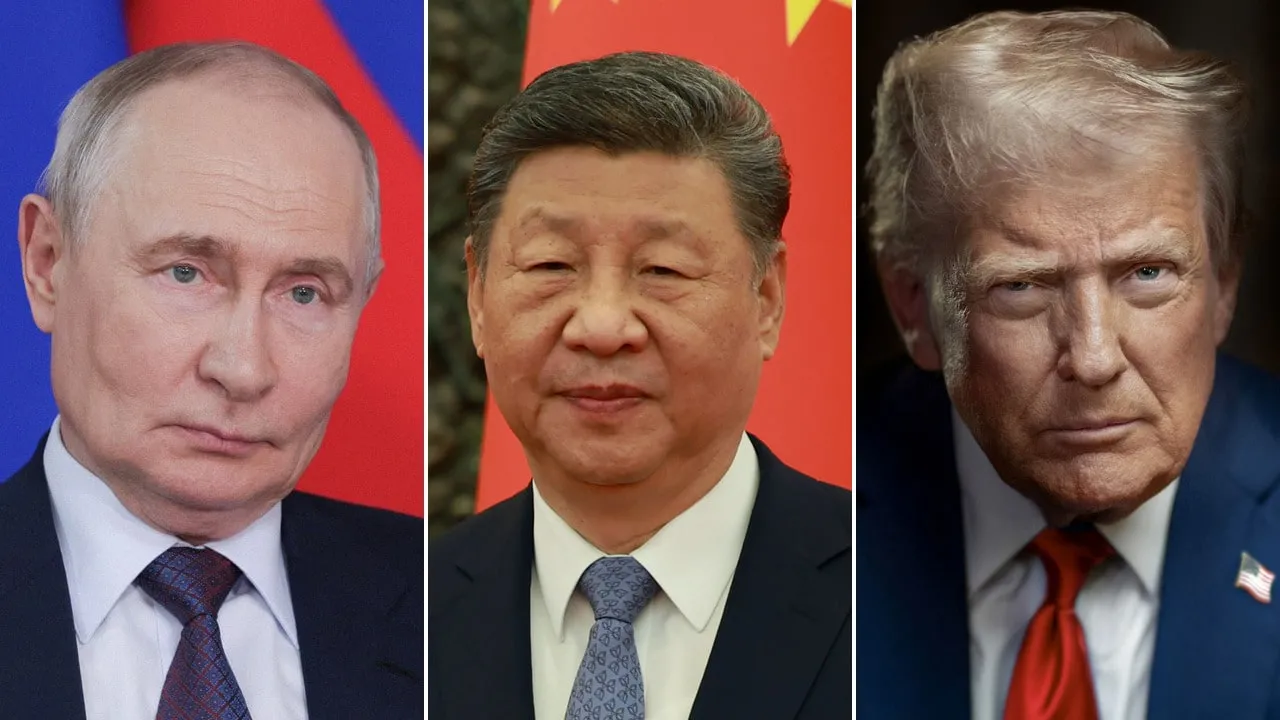
Historic Three-Way Meeting Set for Shenzhen
The leaders of the United States, China and Russia will hold their first-ever three-way meeting on November 19 in the Chinese city of Shenzhen, on the sidelines of the Asia-Pacific Economic Cooperation summit. This unprecedented gathering brings together the heads of the world three biggest nuclear powers at one table for the first time in history. Kremlin spokesman Dmitry Peskov confirmed the plan, stating that an agreement has been reached to hold a trilateral meeting on the 19th between President Putin, Chairman Xi and President Trump. The Asia-Pacific Economic Cooperation summit is scheduled for November 18-19 in Shenzhen and will bring together leaders of 21 Asia-Pacific economies.
Diplomatic preparations for this landmark event have accelerated over recent weeks. Trump said on November 8 that he expected to meet Putin and Xi at the summit. China Foreign Ministry had confirmed on November 6 that discussions on such a meeting were under way. Kremlin aide Yury Ushakov said last month that preparations had begun and that Moscow, Beijing and Washington were ready in principle to hold the talks. He added that Russia and the United States had not agreed on a separate one-on-one meeting between Putin and Trump on the sidelines.
What Is on the Table for Nuclear Arms Control
Nuclear arms control and the situation around Iran are reportedly the main topics planned for discussion at the Shenzhen gathering. Trump has said talks in this format are needed mainly to discuss nuclear disarmament. Bringing Washington, Moscow and Beijing together addresses a central challenge of modern strategic stability, as traditional bilateral arms control frameworks face mounting pressure. As the three primary nuclear powers, decisions made by these nations carry profound implications for global security architectures and non-proliferation treaties.
The inclusion of Iran on the agenda reflects ongoing geopolitical friction in the Middle East and its intersection with great power politics. All three nations maintain distinct diplomatic and economic relationships with Tehran, making a trilateral forum a unique venue for addressing regional escalations. Observers note that coordinating policies among the three capitals could alter diplomatic dynamics concerning regional security. However, specific negotiation parameters remain undisclosed, leaving analysts to watch for formal agendas as the summit date approaches.
Background of the Asia-Pacific Economic Cooperation Summit
The Asia-Pacific Economic Cooperation forum serves as the venue for this high-stakes diplomatic encounter. Established to promote free trade and economic cooperation throughout the Asia-Pacific region, the organization routinely brings together heads of state from 21 member economies. While its primary mandate centers on trade, commerce and sustainable development, the summit margins frequently host crucial bilateral and multilateral diplomatic negotiations. Shenzhen, a major technological and financial hub in southern China, provides the backdrop for this year proceedings.
Recent diplomatic currents involving the host nation and the participating powers add context to the upcoming talks. The summit comes months after Xi made headlines by skipping the airport reception for Trump in Beijing. Additionally, Putin earlier said Pakistan is not controlled by China, highlighting the complex web of regional alliances and independent foreign policies that characterize relations among the three capitals. These underlying dynamics form the backdrop against which the leaders will attempt to find common ground in Shenzhen.
International Reactions and European Concerns
Not everyone is comfortable with the plan for the trilateral summit. German Chancellor Friedrich Merz said many European leaders fear that Trump and Putin talks in China could turn into a second Anchorage, a reference to their earlier summit in Alaska. European capitals remain watchful of any bilateral or trilateral arrangements that might bypass traditional transatlantic alliances or affect ongoing security commitments in Europe and neighboring regions. These anxieties reflect the delicate balance of power and the constant diplomatic vigilance maintained by non-participating nations.
The apprehension in Europe stems from past high-level engagements where major powers negotiated security architectures without direct European participation. Leaders in Berlin and other European capitals emphasize the need to maintain solidarity and transparency on matters touching continental security. As the November 19 date approaches, diplomatic missions across Europe continue to monitor preparations in Washington, Moscow and Beijing to gauge the potential outcomes of the Shenzhen discussions.
What Comes Next in Trilateral Diplomacy
As the November 18-19 dates for the summit draw closer, officials from the United States, China and Russia are finalizing logistical details and agenda items for the historic meeting. The primary focus remains on the November 19 trilateral session in Shenzhen, where the three leaders will address nuclear arms control and regional stability issues. Observers and international media will closely follow the outcomes of the talks to determine whether the format leads to formal diplomatic mechanisms or future recurring summits.
Practical takeaways for international markets, security analysts and policymakers involve watching for joint statements or press briefings following the conclusion of the talks. Given the sensitivity of nuclear disarmament and Middle Eastern stability, any concrete agreements reached in Shenzhen could reshape global strategic planning for the coming years. Until the leaders take their seats at the table, analysts rely on official confirmations from the Kremlin, the White House and Beijing for updates on the summit agenda.





