The Enduring Appeal of Victorian Seaside Towns
Fish and chips on the promenade, amusement parks, and Punch and Judy shows remain staples of the Great British seaside break. Not much has changed in terms of traditions, and some of the most popular coastal spots from a century ago still attract millions of visitors every year. Author Steven Brindle explores these enduring habits in his new book, Britain in the 1930s, shedding light on how holiday culture evolved during what he describes as the Golden Age for seaside resorts.
During that era, locations such as Blackpool, Brighton, and Margate emerged as the premier destinations for travellers seeking fresh air and entertainment. While travel methods and accommodation budgets have shifted, the core elements of a British beach holiday stay remarkably consistent. Families still flock to the same coastal stretches that entertained their great-grandparents, proving that traditional seaside charm holds a permanent place in national culture.
Blackpool and the Rise of Working-Class Coastal Holidays
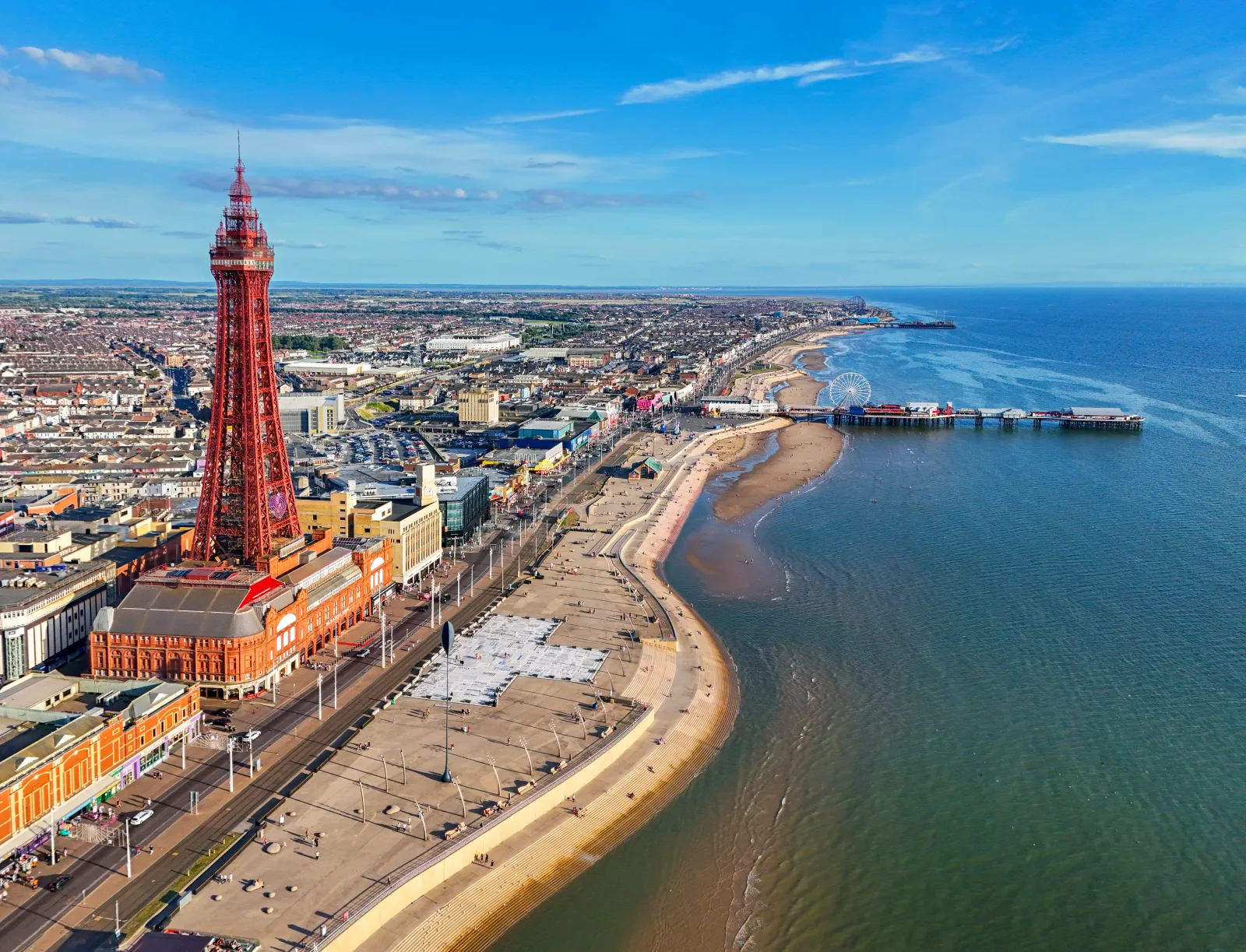
Blackpool established itself early on as one of the most popular resorts for working-class holidaymakers seeking affordable escape. The Pleasure Beach amusement park served as a massive draw, featuring early attractions like the fun house, Ghost Train, and a selection of rollercoasters alongside its sweeping beach. Nowadays, the destination remains just as popular, having secured the Best of the Best title in the Park World Excellence Awards earlier this year.
In the north, factory shutdowns known as Wakes week allowed entire communities to leave town simultaneously for their annual break. Working-class families managed trips on budgets of around £5 or £10 when annual incomes sat between £100 and £200. Visitors paid for lodgings in shillings rather than pounds, often spending around five shillings a night for standard accommodation.
How Different Social Classes Experienced the Coast
Holiday habits a century ago varied significantly depending on social standing, separating working-class travellers from upper and middle-class families. While northern workers headed to Blackpool, visitors from Midlands towns typically chose Skegness in Lincolnshire. Londoners frequently travelled to Southend, Margate, and Ramsgate, while Brighton dominated the South Coast as one of the largest resorts.
Meanwhile, upper and middle-class families favoured destinations such as Great Yarmouth, Whitby in Yorkshire, Eastbourne, Newquay, Torquay, and Bournemouth. These wealthier visitors often rented a house in Torquay for about two weeks, spending their days attending concerts in Palm Courts or Winter Gardens. On the beach, upper-class holidaymakers remained fully dressed in their summer wardrobe rather than swimwear, playing tennis or croquet before enjoying formal evening dancing in hotel ballrooms.
The Birth of the Holiday Camp and Modern Camping
The 1930s witnessed the birth of the modern holiday camp, transforming how families experienced multi-day breaks. Billy Butlin opened the first site in Skegness in 1936, followed by a second location in Clacton-on-Sea in 1938. These camps aimed to provide a respectable environment where everything needed for a holiday existed in one place, featuring swimming pools, communal activities, and nightly entertainment.
Today, three original Butlin's sites remain open in Skegness, Minehead, and Bognor Regis, continuing their tradition of budget-friendly family trips with festive winter breaks starting from £42. Alongside camps, the 1930s marked the emergence of camping holidays, walking trips, fishing excursions, sailing adventures, and the earliest versions of caravans. These new options provided alternative ways to experience the coast beyond traditional hotels and boarding houses.
Traditional Food and Entertainment That Survived a Century
British coastal food culture has retained its core identity over the past hundred years with very little modification. In northern resorts, fish and chip shops and pie vendors dominated local dining options. Evening meals relied strictly on classic British cuisine rather than international options like Indian, Chinese, or Italian food.
Entertainment on piers and promenades featured live shows ranging from musicals to comedy acts. Traditional attractions such as Punch and Judy shows, funfair swings, roundabouts, big wheels, and hoop-throwing game stalls offering teddy bears or souvenir china remain visible in various locations today. Even donkey rides continue to operate in select coastal towns, preserving the exact atmosphere holidaymakers enjoyed generations ago.