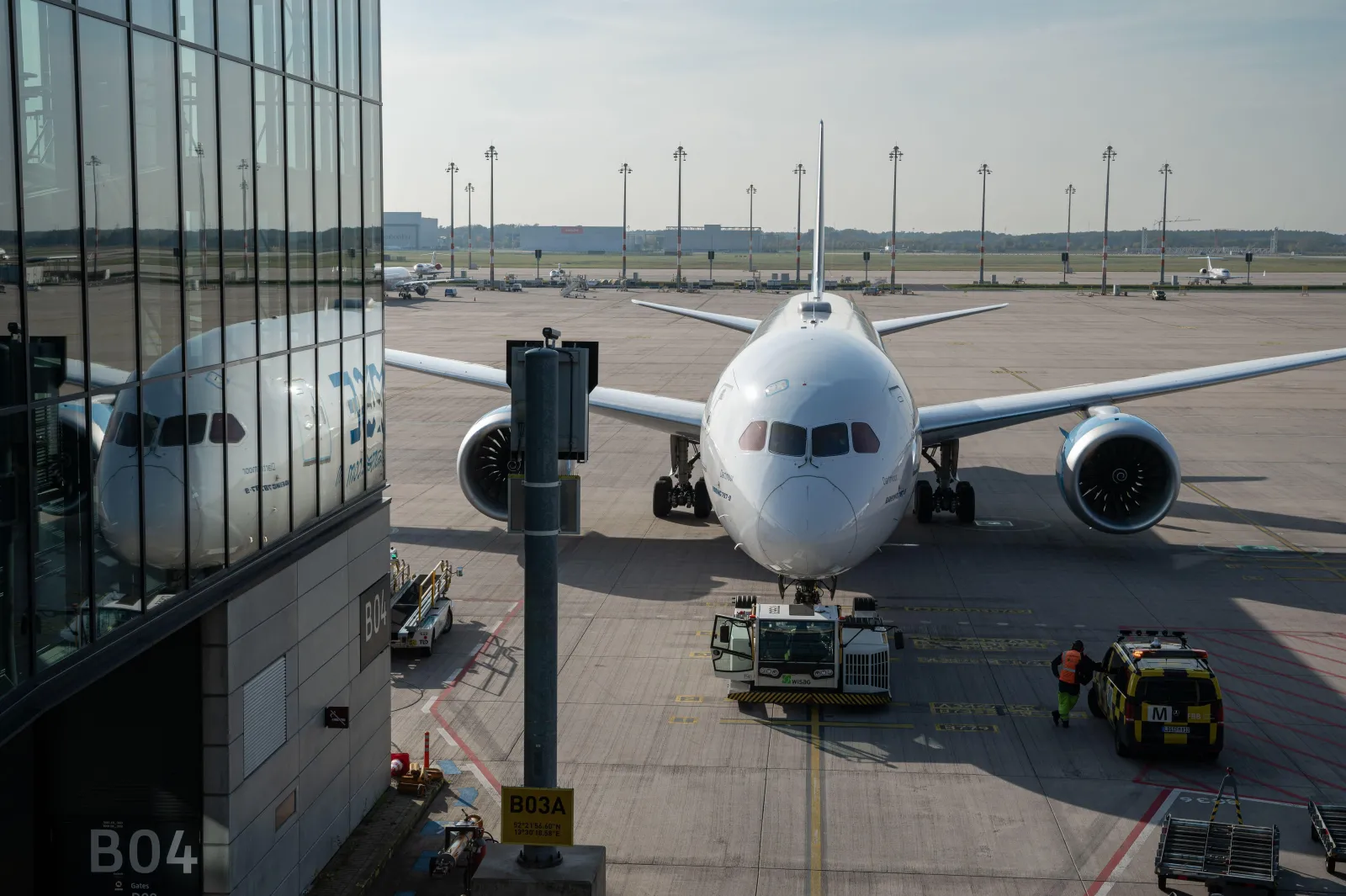
Norse Atlantic Airways Warns of Critical Financial Situation
Norse Atlantic Airways has issued a stark warning regarding its corporate survival after experiencing a severe drop in share value. The carrier reported that its shares fell by 54 per cent yesterday, triggering what executives described as a critical financial situation. This alarming development places the future of the long-haul carrier in serious doubt, with potential disruptions looming for hundreds of flights across its network.
The company built its business model around providing low-cost long-haul travel, connecting European hubs with destinations in the United States and other international regions. However, market pressures and operational missteps have quickly eroded the financial stability of the young airline. Passengers holding bookings and industry observers are now closely watching the carrier as it fights to secure its operational future.
Why Norse Atlantic Airways Struggled With Fuel Costs
A primary driver of the current crisis is the airline's exposure to volatile jet fuel prices. Unlike many established legacy carriers, Norse Atlantic failed to hedge its fuel. Hedging involves purchasing contracts ahead of time to lock in a set price for fuel, which protects airlines from sudden market spikes.
Because the airline did not take this precaution, it absorbed the full force of soaring fuel expenses. These high operating costs were compounded by external geopolitical factors, most notably the ongoing Middle East conflict. The regional instability pushed global energy markets upward, squeezing profit margins for carriers that lacked protective financial hedges.
Impact on UK Flight Routes and Passengers
The financial strain has already forced the airline to scale back its operations significantly. In recent months, several popular flight routes were scrapped. Among the casualties were direct services from the UK to New York and Los Angeles, leaving Orlando as the sole remaining US destination serviced from British airports.
Despite these cancellations, the carrier still operates important services from the UK. Flights from the UK to Orlando, Cape Town, and Thailand remain active, meaning any potential closure would directly affect thousands of British travellers. The reduction in routes has also translated to domestic pain, as more than 75 jobs were scrapped earlier this year to cut operational overheads.
The History of Norse Atlantic Airways
Norse Atlantic is a relatively new entrant in the aviation sector, having first launched back in 2022. The carrier began operations with flights from Oslo to New York before expanding quickly to establish its first UK route between London and Gatwick. Early marketing focused on ultra-low fares, with introductory tickets priced as low as £219 to attract budget-conscious holidaymakers.
Scale quickly followed the initial launch phase. Last year, the airline carried 1.84 million passengers, which works out to more than 150,000 travellers a month. During peak summer seasons, this passenger volume translated to approximately 400 to 500 flights a month, while off-season schedules typically saw activity drop to around 200 monthly flights.
Emergency Funding and Takeover Talks
Leadership at the airline is actively scrambling to find a lifeline. The company is currently trying to secure short-term funding from investors and financial institutions. At the same time, executives are evaluating a potential takeover by outside corporate interests.
Despite these active discussions, management has urged caution regarding the eventual outcome. In an official statement, representatives warned that there can be no assurances that such discussions will result in a viable solution. Time is of the essence as cash reserves dwindle under the weight of unhedged fuel expenses and depressed revenue streams.
The Challenging Economics of Budget Long-Haul Travel
The difficulties faced by Norse Atlantic highlight the brutal economics of low-cost long-haul aviation. Operating wide-body aircraft across oceans on thin margins leaves little room for error when macroeconomic shocks occur. High fixed costs for aircraft leases, maintenance, and crew compound the danger when ticket prices cannot cover rising fuel bills.
Norse Atlantic is far from the first operator to stumble in this specific market segment. WOW Air previously connected the UK to the US via a stopover in Iceland, but the carrier went bust in 2019. More recently, PLAY Airlines attempted a similar low-cost transatlantic strategy before going into administration last year, proving just how difficult it is to sustain budget pricing on intercontinental routes.