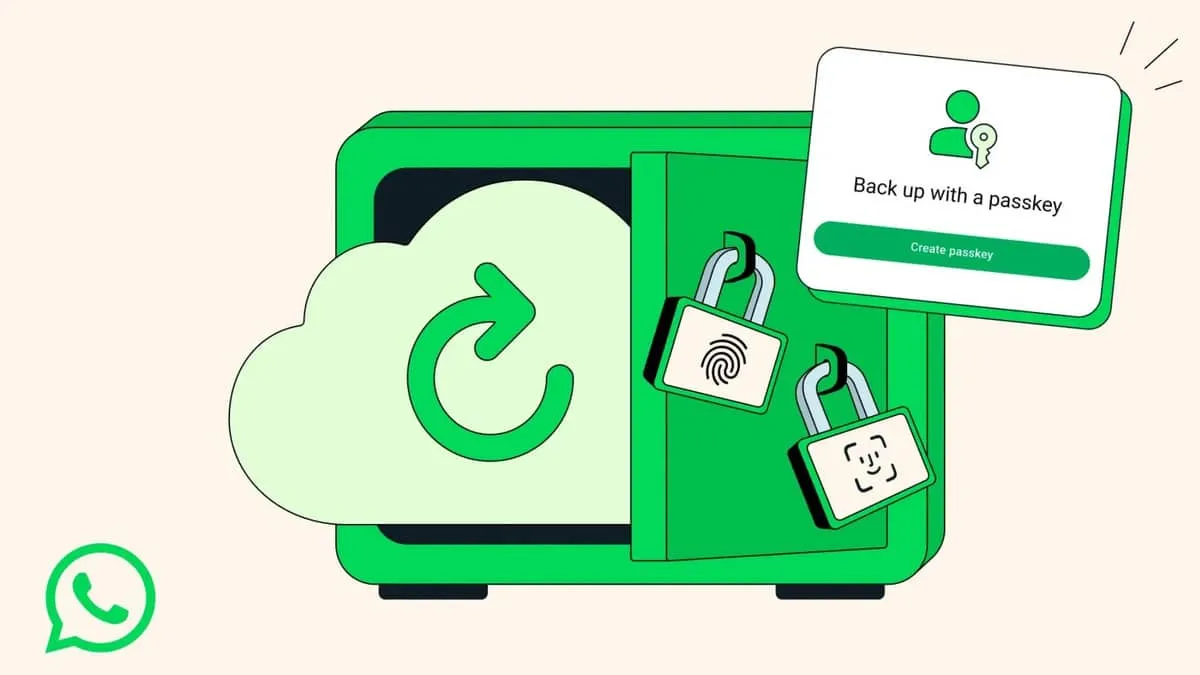
WhatsApp Is Getting Its Own Cloud Storage for Backups
WhatsApp is introducing its own encrypted cloud storage service, allowing users to back up their conversations without relying on Google Drive or iCloud. According to WABetaInfo, the feature is now available to selected Android beta testers running WhatsApp version 2.26.46.4. The service provides 2GB of free storage, while users who need additional space can subscribe to paid plans offering up to 4TB.
This development marks a major shift in how the messaging platform handles user data, moving away from third-party cloud providers toward an in-house ecosystem. For years, Android device owners depended entirely on Google Drive to preserve their chat history, media, and documents, while iPhone users relied on Apple iCloud. By introducing a proprietary repository, the platform retains users within its own interface, streamlining the backup process and offering a dedicated alternative for data management.
How WhatsApp Cloud Storage Works for Android and iOS
The new feature gives users the option to save their chat backups directly to WhatsApp's cloud storage instead of Google Drive. Android users testing the feature can choose between WhatsApp's storage service and Google Drive when configuring their backups. WhatsApp began testing the feature on Android in April 2026 and expanded development to iOS in July.
During setup, testers encounter a new menu within the application settings that outlines the available backup destinations. Selecting the proprietary storage routes data away from external tech giants and into the platform's servers. Since testing is already active on Apple devices, developers are actively preparing the infrastructure for a cross-platform release that will eventually cover both major mobile operating systems.
Default Encryption and Security Measures
Unlike Google Drive and iCloud backups, which require users to enable end-to-end encryption separately, WhatsApp's own cloud storage encrypts all backups by default. Users cannot disable encryption when using WhatsApp's storage service. Those who prefer unencrypted backups must use Google Drive or iCloud instead. WhatsApp also allows users to secure their encrypted backups using a passkey, password, or 64-digit encryption key.
Security has always been a central focus for the messaging platform, which already protects standard text messages with end-to-end encryption by default. Extending this mandatory security protocol to cloud archives closes a long-standing vulnerability where stored database files on external servers could theoretically be accessed if account credentials were compromised. The inclusion of passkeys and 64-digit keys gives individuals absolute control over their decryption credentials, ensuring that even the company cannot read the stored archives.
Free Storage Limits and Paid Subscription Plans
WhatsApp provides 2GB of cloud storage for free. Users requiring additional storage can subscribe to WhatsApp Plus, which includes 100GB of space. For those who need more storage, Meta One offers plans with capacities reaching up to 4TB. However, WhatsApp will permanently delete backups stored under a paid subscription if the user fails to renew it for four months. This means users who stop paying for additional cloud storage risk losing their saved conversations after the four-month period.
The tiered structure accommodates casual texters who only need a modest amount of space for text archives, while heavy users with thousands of photos and videos can scale up to expansive capacities. The four-month grace period for lapsed subscriptions serves as a warning window, giving customers ample time to update their payment methods before permanent data purging occurs on company servers.
Current Beta Availability and Future Rollout Plans
WhatsApp's encrypted cloud storage feature is currently limited to selected Android beta users running version 2.26.46.4. The company has not announced when it will become available to all users. Since testing has already expanded to iOS, the feature could reach more iPhone beta testers before a wider public rollout. For now, WhatsApp users outside the beta program can continue using Google Drive on Android and iCloud on iOS for chat backups.
Early adopters participating in beta testing programs play a crucial role in stress-testing server loads, identifying bugs, and refining the user interface before the general public gains access. As development continues, observers expect further updates to address pricing details, billing integration, and the exact timeline for the stable public release across global app stores.