On Wednesday the World Bank projected a 23 percent increase in global commodity prices for 2026, citing the Middle East war, disrupted Black Sea grain shipments and heightened gold demand as key drivers across energy, food and metals markets.
In its latest Commodity Markets Outlook, the bank noted that energy prices surged 32 percent this year, reaching their highest level since Russia's 2022 invasion of Ukraine. Metals are due to rise 25 percent, while precious metals could climb 40 percent.
Aluminium, copper and tin are expected to hit record highs, spurred by supply interruptions and strong demand from renewable energy, electric vehicles and data centres. Gold demand has risen amid geopolitical and policy uncertainty.
Global oil inventories have been depleted by the Middle East conflict. Oil supply is projected to drop 5.2 percent in 2026, the biggest decline in four decades outside the 2020 recession, with Brent crude averaging $92 per barrel this year. Oil demand is forecast to fall 2.5 percent, marking the third-largest drop after 2020 and the 1980 oil crisis.
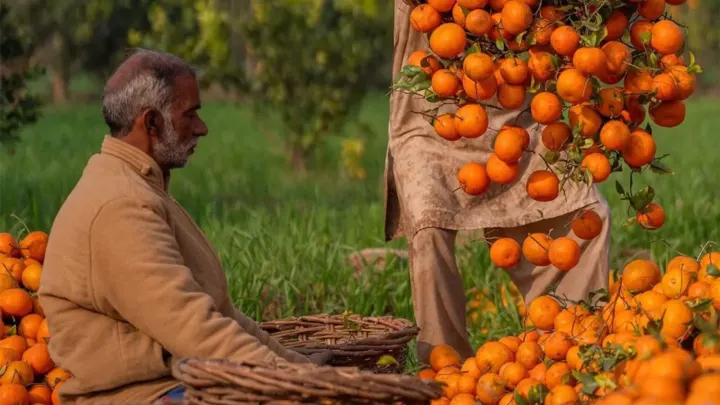
Food commodity prices are set to increase just over 10 percent in 2026 due to grain shipment disruptions linked to the Russia-Ukraine war in the Black Sea. A further rise of more than 7 percent is expected in 2027, totaling nearly 18 percent over two years. Fertiliser prices are projected to climb 14 percent in 2026 on higher urea costs, before returning to 2025 levels in 2027.
Overall commodity prices are expected to ease 7 percent next year, though continued shocks, including the strongest El Nino since 1950, could keep food prices high and raise inflation and monetary-policy pressures.
The bank warned of a worst-case scenario combining a record El Nino, further Black Sea disruptions, escalation in the Middle East and ongoing damage to Russian oil infrastructure. Under that outlook, food prices could be 12 percent higher than expected, potentially sparking a food crisis similar to the early 2010s when more than 40 million extra people fell into extreme poverty.
"Commodity markets are being hit by several major shocks at once," said Ayhan Kose, deputy chief economist in the World Bank. "Higher energy costs and trade disruptions are driving up prices across a broad range of commodities, threatening to worsen inflation, food insecurity, and economic growth."
Kose added that the bank is concentrating on shielding the poorest and assisting low-income nations already burdened by debt. It has extended $8.7 billion in low-cost loans and other aid to 25 countries affected by the Middle East war; ten of them reshaped existing programmes for crisis costs, while 19 accessed new resources, some doing both.
The report was issued two days before foreign ministers from the 20 largest economies convene in Atlanta, Georgia, to discuss the wars in the Middle East and Ukraine.