Scientists say diabetes could provide insights for treating skin, breast and colon cancers.
Although diabetes is linked to higher disease risk, elevated blood sugar, hyperglycaemia, might protect against some tumours, according to the American Association of Immunologists.
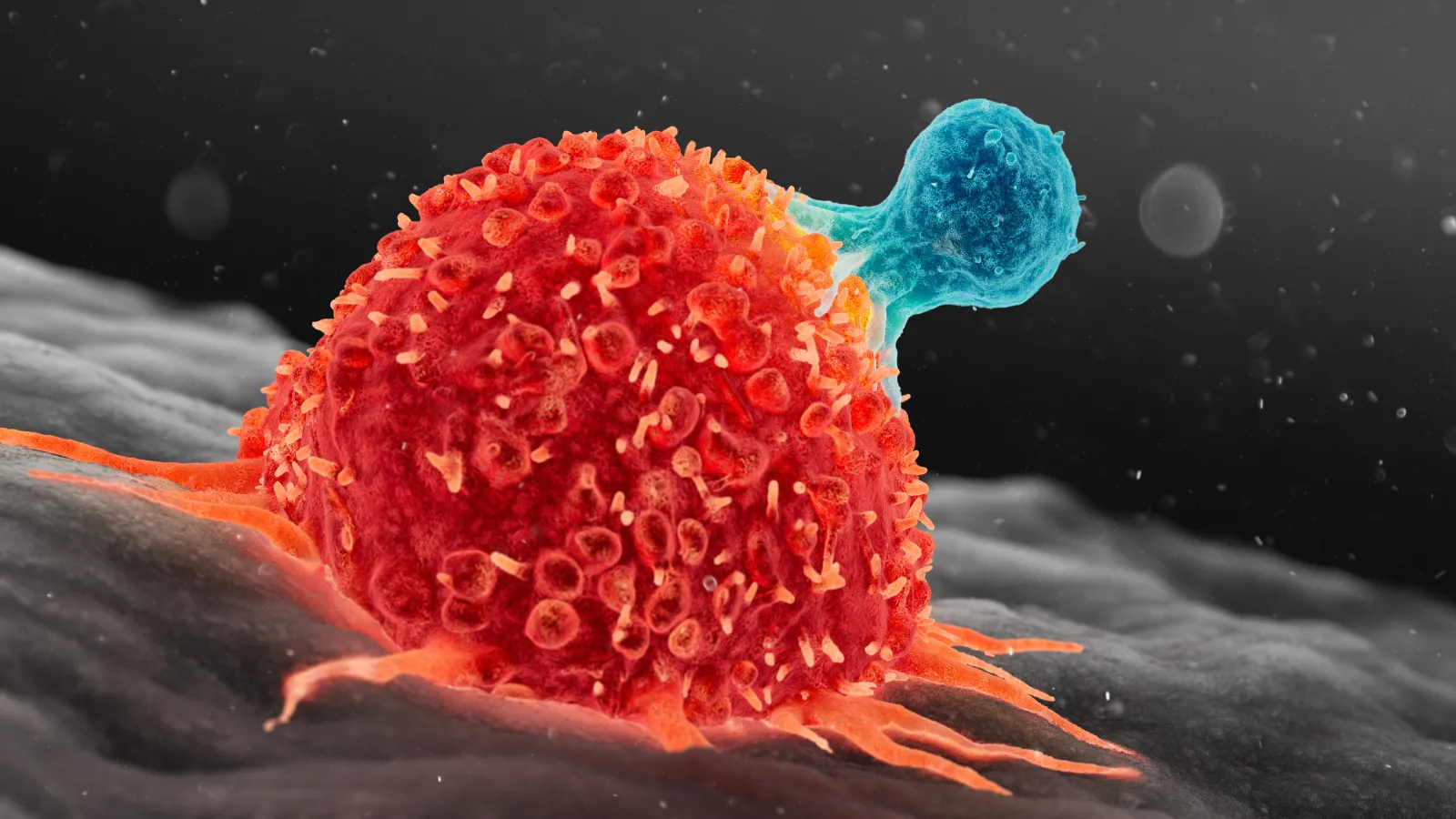
The team reported that hyperglycaemia reshapes immune cells, enabling them to kill tumours or halt growth.
They caution that this does not mean patients should neglect diabetes management to lower cancer risk.
Instead, the authors suggest their findings, published in The Journal of Immunology, may guide development of tumour-targeting therapies.
Dr Anamika Bose, assistant professor at the National Institute of Pharmaceutical Education and Research in India and senior author, said: "Our findings open several research avenues for new cancer immunotherapies by applying the changes we see in T cells [a type of immune cell] of patients with type 1 diabetes and mimicking those cell changes in new treatments for all patients."
Type 1 diabetes, less common than type 2, and both involve excess blood sugar due to insulin issues.
Type 1, an autoimmune disease often diagnosed in childhood, affects 8 per cent of diabetes patients because the body cannot produce insulin.
Earlier studies noted a lower risk of certain cancers in type 1 patients, but the cause remained unclear.
New mouse data indicates hyperglycaemia-induced alterations in T cells may explain the effect.
Type 1 vs Type 2 diabetes
Two primary forms of diabetes raise blood sugar levels.
Type 1 is a lifelong autoimmune condition that destroys insulin-producing cells, affecting about 344,000 people in the UK.
Type 2 accounts for over 90 per cent of the 4.4 million adults with diabetes in the UK.
It arises when insulin production is insufficient or cells resist insulin.
No lifestyle changes can prevent type 1, while risk factors for type 2 include overweight, poor diet, family history, certain long-term medications, high blood pressure, prior gestational diabetes, and Asian, Black African or African Caribbean heritage.
Source: NHS and Diabetes UK
In mice, tumours grew more slowly under hyperglycaemia, a condition seen in untreated type 1 diabetes, compared with insulin-treated diabetic mice or those with normal glucose.
Researchers found hyperglycaemia reprogrammed T cells to better control tumour growth, increasing their numbers and activity.
They explained that high sugar triggers more inflammatory immune cells, which inadvertently aid cancer defence.
When type 1 diabetic mice received insulin, their T cells lost this enhanced capability.
Comparing T cells across hyperglycaemic, insulin-treated, and normal-sugar mice, the team identified heightened use of a specific cellular signalling pathway.
This pathway underpinned the supercharged T cells' tumour-killing power and could be a target for new treatments.
Human blood samples from hyperglycaemic individuals showed the same pathway activation.
Dr Bose added: "These findings are exciting, because we now partly understand how type 1 diabetes protects against certain cancers."
She continued: "Our new understanding of the involvement of this specific signalling pathway provides us with new ways to develop T cell-based immunotherapies for cancer patients."
The approach may resemble CAR T-cell therapy, which reprograms a patient's white blood cells to seek and destroy cancer.
Type 2 diabetes raises the risk of cancers of the oesophagus, bowel, breast, womb and kidney, sharing risk factors such as obesity and age.
It is estimated that one in five cancer patients also have diabetes.
While hyperglycaemia appears to empower immune cells against tumours, type 1 diabetes can increase susceptibility to other cancers, including liver, pancreas, kidney and stomach.