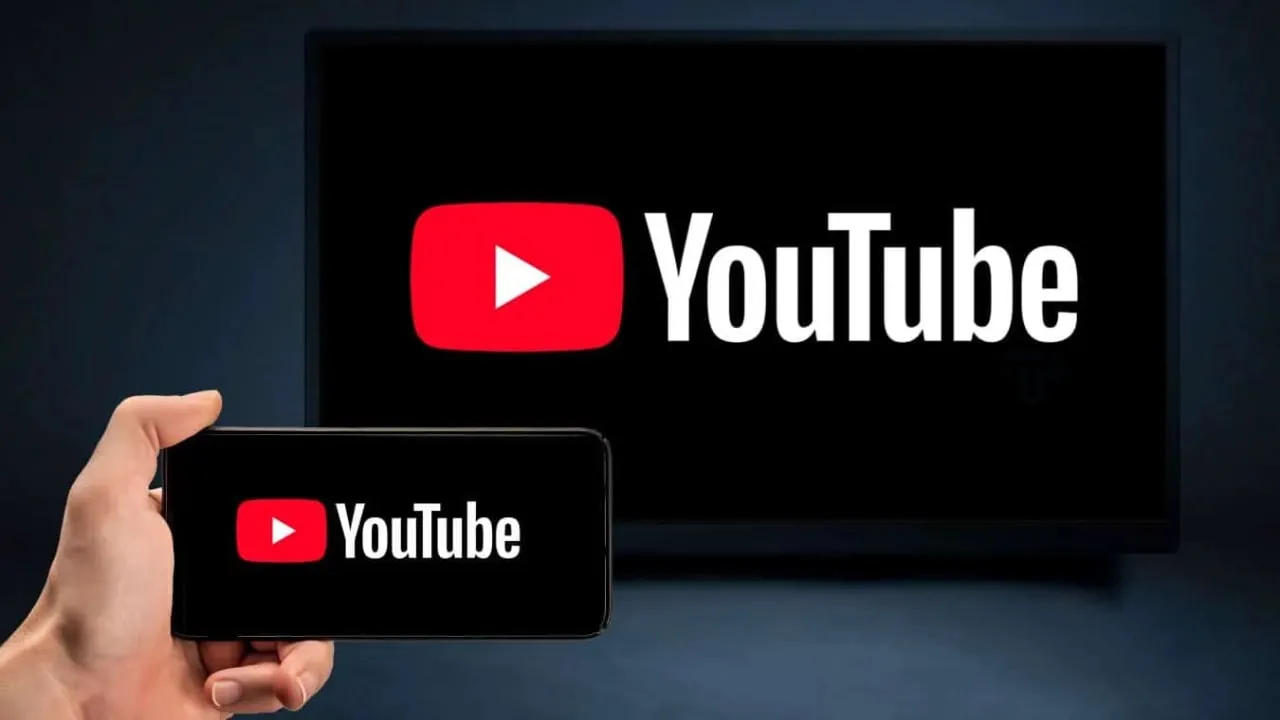
YouTube now counts 150 million paying subscribers across its Premium and Music services, up from the 100 million mark reached in early 2024. The subscription surge lifted Google's overall subscription revenue by 11% in the third quarter, while most of the growth stems from viewers moving to big-screen devices.
Alphabet leaders pointed to Connected TV (CTV) as the main driver. Google Chief Business Officer Philipp Schindler said the Living Room TV app now generates more than one-third of total YouTube ad revenue, making it a significant revenue source on its own.
Google CEO Sundar Pichai praised the platform:
On to YouTube. Month after month, when a big event happens in the world, the world turns to YouTube. It's been incredible to see that over 1.7 billion unique viewers globally watched World Cup-related videos on YouTube during the FIFA World Cup 2026.
We are also bringing the power of conversational AI directly into the YouTube experience. Ask YouTube uses our Gemini models to let people ask complex questions about individual videos, get quick takeaways, and jump straight to moments in those videos. The early engagement is encouraging. More than 140 million users engaged with Ask YouTube on the watch page in June 2026. And we're bringing that Ask experience to the wider search experience on YouTube.
Advertising revenue reached $11.2 billion in Q3 2026, a 9% year-on-year rise but slower than the 13% growth recorded in Q2. The deceleration concerned some investors, yet the CTV expansion is seen as a longer-term opportunity. Schindler noted that creators upload more than 20 million videos each day, keeping the content pipeline full.
Creator economics keep expanding, with over 3 million creators in the YouTube Partner Program and more than 1.3 million channels enrolled in the shopping program. For creators targeting TV audiences, the Living Room shift matters because viewers spend longer per session on big screens than on mobile.
Nielsen's The Gauge report from August 2026 placed YouTube at the top of US streaming platforms, ahead of Netflix, Disney and other paid services, highlighting its role as a cable replacement, especially among younger viewers.