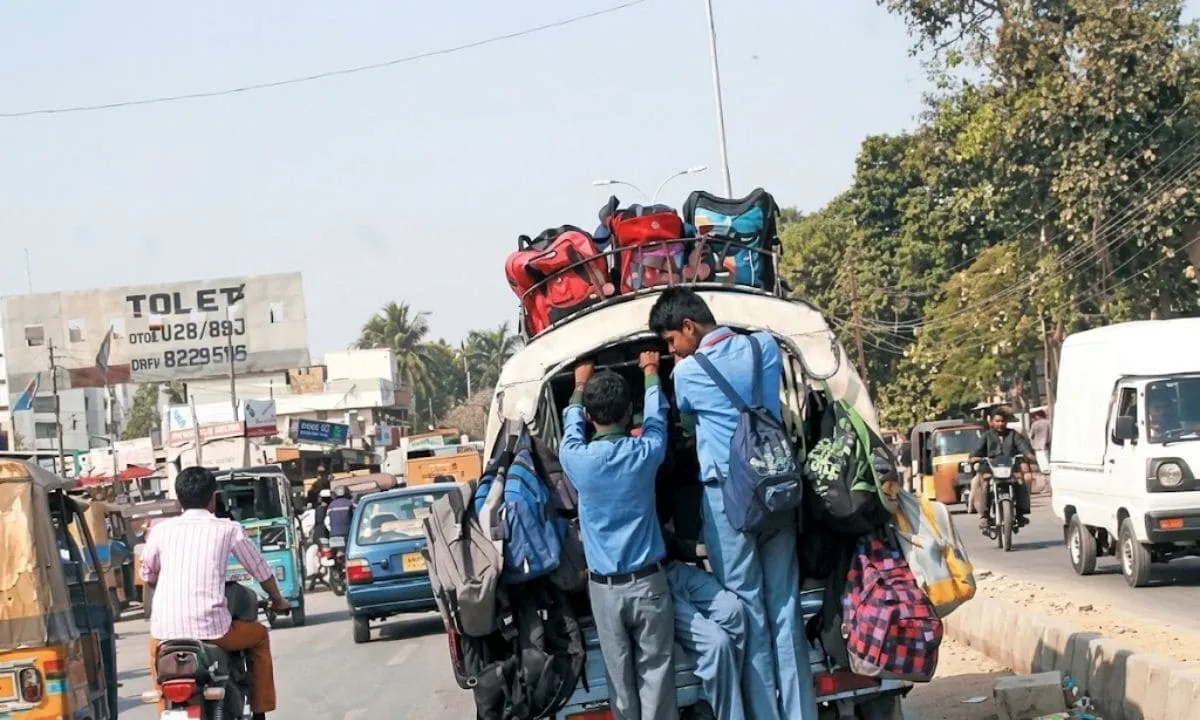
Sindh Education Department Imposes Strict Ban on Gas Cylinders in School Vans
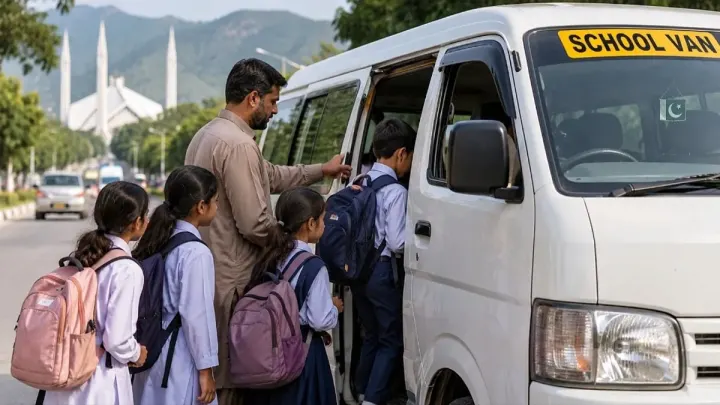
The Sindh Education Department has officially introduced a comprehensive and strict ban on the use of compressed natural gas and liquefied petroleum gas cylinders inside all vehicles transporting students to and from educational institutions. This major regulatory shift comes as provincial authorities seek to eliminate severe safety hazards that have long threatened children during their daily commutes. According to official directives issued by the department, private schools that fail to comply with this immediate restriction will face formal disciplinary action and potential penalties.
Acting directly on strict instructions issued by the provincial education minister, the administrative body released a formal notification addressed to private school managements across the region. The document outlines a sweeping series of mandatory safety protocols designed to overhaul student transport and prevent preventable accidents on public roads. Alongside the restriction on gaseous fuel systems, the directive explicitly prohibits the dangerous practice of supplying petrol to vehicle engines through makeshift containers such as bottles and cans, which authorities categorized as an extreme fire hazard.
The safety overhaul addresses multiple dangerous habits observed on local roads over many years. Transport operators frequently use substandard fuel modifications to cut operating expenses, despite the catastrophic risks associated with pressurized gas tanks inside passenger cabins. By outlawing these modifications, the government aims to establish a baseline of security for families who rely on private van operators to ferry their children to classes every single day.
Mandatory Fitness Certificates and Document Compliance
A cornerstone of the new regulatory framework is the requirement for official vehicle documentation. The notification issued by the Sindh Education Department makes a formal fitness certificate issued by the provincial government mandatory for every single vehicle used for school transport. Transport operators can no longer operate legally without submitting their fleets for rigorous mechanical evaluations conducted by designated provincial transportation authorities.
Furthermore, the administrative guidelines stipulate that a physical copy of this government-issued fitness certificate must remain inside the vehicle at all times. Law enforcement and education inspectors possess the authority to demand this documentation during random roadside checks. School administrations bear the ultimate responsibility for ensuring that the vans they contract or operate maintain valid paperwork, bridging the gap between school boards and vehicular compliance.
This mandate forces private educational institutions to audit their transport networks thoroughly. Schools that previously outsourced transport without verifying mechanical upkeep now face direct legal consequences if their contracted drivers operate without proper certification. The policy shifts accountability directly onto school leadership, compelling them to vet every driver and vehicle servicing their student body.
Overcrowding and Footboard Travel Strictly Prohibited
Beyond fuel modifications and paperwork, the new rules tackle perilous passenger overcrowding practices that frequently endanger young commuters. Under the updated regulations, school vans are strictly barred from carrying a greater number of students than their officially approved seating capacity. Transport operators often pack vehicles far beyond safe limits to maximize daily profits, squeezing children tightly onto benches or makeshift seating arrangements.
The notification also explicitly bans students from traveling while standing on the footboards of moving vans. Footboard riding has remained a visible and dangerous aspect of local transit culture, exposing children to severe falls, traffic collisions, and fatal injuries. Eliminating this practice requires active cooperation from van drivers, who must ensure doors remain closed and passenger counts stay within legal limits before moving away from school gates.
Enforcing these capacity caps directly impacts how transport providers schedule their routes. Operators must either deploy additional vehicles to handle student volumes or adjust their pricing structures, while schools must assist in managing orderly pickup and drop-off queues to discourage rushing and overcrowding.
Enforcement Actions and Institutional Accountability
The Sindh Education Department emphasized that school administrations found violating any of these safety instructions will face immediate action. The regulatory language leaves no room for ambiguity, stating clearly that the government will accept no compromise when it comes to the physical security of students. Private educational institutions must supervise the strict implementation of all safety regulations across their entire transport fleets.
Inspection teams from the education department and traffic authorities will monitor compliance levels across various districts. Schools that ignore the warnings or fail to remove unauthorized gas cylinders run the risk of having their operating registrations suspended or facing severe administrative penalties. The state intends to hold institutional leadership responsible for lax oversight, ensuring that schools treat student transit safety as a core administrative priority rather than a peripheral concern.
Parents and guardians now possess official backing to demand safer travel conditions from school management. As inspections ramp up across the province, the administration expects private schools to terminate contracts with non-compliant drivers immediately, fostering a cleaner and safer transit ecosystem for thousands of school children.