Alan Milburn warned that young Britons must be the priority for jobs at home, even as Prime Minister Rishi Sunak heads to Brussels this week, raising concerns that a proposed EU youth mobility scheme could undermine that goal.
Milburn, a former Labour minister and welfare policy expert, released a 278-page report that argues a decline in migration numbers should translate into more opportunities for desperate young people seeking work, education or training.
What Does Milburn's Report Call For?
The report, titled "Youth Employment and the Future of Welfare," calls on ministers, business leaders and school heads to work together on a long-term strategy. Milburn says the plan may take up to ten years to show full results, but the aim is clear: by 2036, 440,000 people currently classified as NEETs - not in education, employment or training - should have secured a job, entered further education or started an apprenticeship.
Milburn also notes that the benefits bill is projected to fall only slightly by 2036, suggesting that the financial impact of the programme will be modest compared with the social gains.
Why the Prime Minister's Brussels Trip Matters
While Milburn's recommendations focus on British youth, the prime minister's upcoming trip to Brussels raises the possibility of a new youth mobility arrangement with the European Union. The deal, if signed, would grant up to 80,000 young Europeans the right to work or study in the UK.
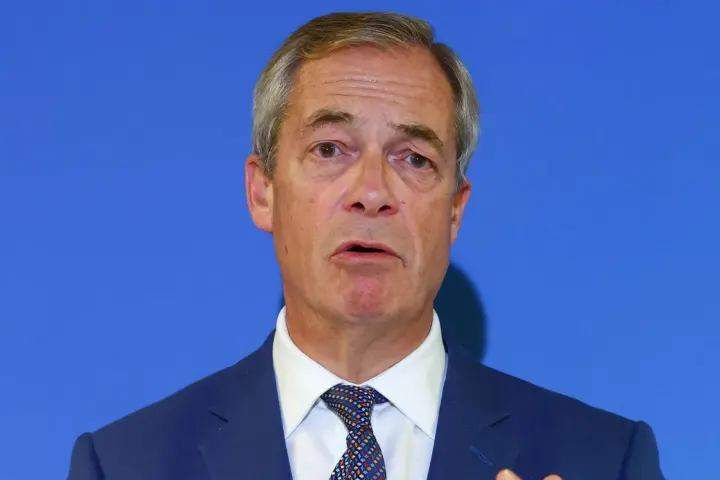
Reform UK leader Nigel Farage has already criticised the prospect, calling it "the last thing Britain needs" and warning that it would betray the interests of British youth. He added, "Open Borders Burham is betraying our young people."
Potential Impact of an EU Youth Mobility Scheme
If the scheme is approved at the UK-EU summit - which could happen as early as Friday - it would create a new channel for EU citizens aged 18-30 to apply for jobs, apprenticeships or university places in the UK. Analysts estimate that the influx could be as high as 80,000 individuals per year.
Critics argue that this would intensify competition for the very positions that Milburn's report seeks to reserve for British young people. The concern is that each job or training spot given to a European applicant could be seen as a breach of the promise made by Milburn and Labour leader Andy Burnham.
Political Reactions Across the Spectrum
Labour's Andy Burnham, who has championed Milburn's recommendations, has not yet commented on the EU talks, but his party's youth wing has issued statements urging the government to keep the focus on domestic youth.
Conservative backbenchers are split. Some see the mobility deal as a boost for the economy, arguing that young EU workers can fill skill gaps in sectors such as hospitality, agriculture and health care. Others echo Milburn's concerns, warning that the deal could undermine the government's own youth employment targets.
Nigel Farage's Reform UK party has positioned itself as the vocal opponent, promising to raise the issue in Parliament and to organise public rallies against what they call "open borders".
How the Deal Would Be Implemented
Under the proposed framework, EU nationals would apply through a digital portal managed jointly by the Home Office and the European Commission. Successful applicants would receive a "Youth Mobility Visa" valid for up to two years, with the possibility of extension for further study or training.
The visa would grant access to the UK's National Insurance system, allowing holders to work without needing a separate work permit. However, the scheme would not automatically grant access to public housing or certain welfare benefits, a detail that the government says is intended to protect the UK's social safety net.
What Happens Next?
The next step is the UK-EU summit, where ministers are expected to negotiate the final language of the agreement. If the deal is signed, it will be presented to Parliament for scrutiny under the usual legislative process. Parliamentary committees may hold evidence sessions with stakeholders, including youth charities, business groups and education providers.
Should the agreement be rejected or delayed, the focus will likely return to Milburn's domestic strategy, with Labour and the Department for Work and Pensions expected to outline concrete funding packages for apprenticeship schemes and regional training hubs.
Practical Takeaways for Young People
For British youth, Milburn's report suggests that government funding for apprenticeships could increase, especially in regions with high NEET rates. Applicants should watch for new grant announcements from the Department for Education and the Department for Business and Trade.
For EU nationals, the potential Youth Mobility Visa offers a new route to study or work in the UK, but they should prepare for a competitive application process and be aware that certain welfare benefits will remain off-limits.
Both groups are advised to stay informed about the outcome of the summit, as the final decision will shape the labour market dynamics for the next decade.