Pakistan SME Fintech Takes Center Stage at Singapore FinTech Festival
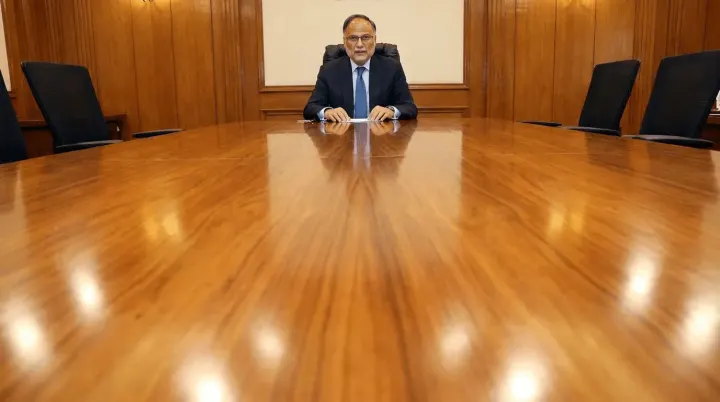
Pakistan SME fintech is receiving its most prominent global platform to date as Finance Minister Muhammad Aurangzeb arrived in Singapore on November 17 for a packed three-day schedule. His mission places small business finance and financial technology policy at the absolute forefront of bilateral and multilateral discussions. The journey centers around the Singapore FinTech Festival 2026, which ranks among the largest international assemblies for policymakers, investors, and digital finance enterprises.
The timing of this diplomatic mission is critical for the domestic economy. The small and medium enterprise sector operates as a massive economic engine hampered by a severe structural deficiency in capital access. Bridging even a fraction of that deficit could unlock immense financial growth, and Singapore provides an ideal diplomatic and commercial venue to initiate those vital conversations.
What Is the Singapore FinTech Festival and Why Does Pakistan Care?
The Singapore FinTech Festival 2026 runs from 18 to 20 November, bringing together global technology and finance leaders to examine the structural forces rewiring the global financial system. The Monetary Authority of Singapore and the Global Finance and Technology Network organize the event in collaboration with the Association of Banks in Singapore.
The eleventh iteration of the gathering builds directly upon the previous year's success, which attracted more than 70,000 participants hailing from 142 countries alongside roughly 1,000 speakers. For a developing nation actively courting international technology partnerships, securing access to that caliber of audience remains exceptionally difficult elsewhere.
This year's program expands its scope to incorporate small business lending, cross-border cooperation, and emerging technologies under the core theme of financial system transformation. That overarching subject aligns seamlessly with the current economic landscape inside Pakistan.
Pakistan SME Fintech: The Gap That Aurangzeb Must Talk About
Beneath the surface of high-level ministerial diplomacy lies an uncomfortable economic reality. Pakistan is home to 5.2 million small and medium enterprises, yet one persistent challenge continues to constrain their potential: access to formal finance. Despite anchoring the productive economy, these businesses receive a mere 6 to 8 percent of total private-sector credit.
This metric represents one of the lowest funding rates across South Asia, creating a sharp contrast with neighboring peer economies. To quantify the missed opportunity, research conducted by the International Finance Corporation and the World Bank indicates that if local enterprises matched the regional average for finance access, the total lending market could expand from PKR 691 billion to over PKR 1.7 trillion.
The economic contribution of these businesses has climbed steadily over the past two decades, currently hovering between 30 and 35 percent of gross domestic product. While mobile banking and digital wallets have experienced rapid adoption in recent years, technology integration for enterprise-level credit remains restricted and unevenly distributed across various commercial sectors. Addressing this structural deficit forms the core objective of the ministerial agenda in Singapore.
Standard news reporting often overlooks the profound scale of this funding shortfall. Observers frequently reduce the journey to a simple ministerial appearance, missing how a single policy shift, such as a cross-border digital lending framework or a specialized guarantee scheme, could transform commercial outcomes for millions of local proprietors.
What Is Aurangzeb Actually Doing in Singapore?
The Finance Minister touched down in Singapore on Tuesday for an intensive official itinerary spanning November 17 to 19. His schedule prioritizes high-impact engagements and strategic meetings.
During the trip, he participates in the Global SME Finance Forum, delivering an address at the Ministerial Dialogue on SME Growth, Jobs and Competitiveness on November 18. This appearance establishes a direct platform to present Pakistan's economic agenda before decision-makers representing multilateral lenders and multinational banks.
He also engages directly with domestic digital finance startups during a specialized session hosted by the Global Finance and Technology Network. Facilitating direct dialogue between the minister and tech founders in a room containing international investors creates a rare window of opportunity for local entrepreneurs.
Furthermore, the minister holds discussions with Gan Kim Yong, Deputy Prime Minister and Minister for Energy, Trade and Industry of Singapore alongside his role as Chairman of the Monetary Authority of Singapore. As the regulatory body that transformed Singapore into an international financial hub, its offices oversee any potential frameworks regarding digital payment corridors or cross-border licensing.
On November 19, the minister conducts bilateral meetings with Pablo Saavedra, World Bank Group Vice President for Prosperity, and Alfonso Garcia Mora, Vice President for Europe, Latin America and the Caribbean at the International Finance Corporation. He also joins the proceedings at the Global SME Finance Awards Ceremony.
Discussions with the World Bank and the International Finance Corporation serve as the primary avenue for securing concrete financial backing. The State Bank of Pakistan continues to advance digital enterprise finance through initiatives like Raast and dedicated credit guarantee frameworks, meaning any expanded institutional co-investment directly reinforces those domestic programs.
Why This Visit Builds on Earlier Pakistan-Singapore Momentum
This international mission represents the continuation of an established diplomatic trajectory. Bilateral ties regarding the digital economy began strengthening in October when Singapore's Foreign Minister traveled to Islamabad for high-level consultations that placed technological innovation and enterprise development firmly on the agenda. The current ministerial journey acts as the direct execution of those previously established commitments.
Meanwhile, the domestic technology sector demonstrates active readiness to expand. Local digital platforms have already established ambitious growth targets, proving that private enterprises stand prepared to scale operations provided the regulatory and capital environments align favorably.
What Pakistani Startups and SMEs Should Watch For
Concrete results from these international meetings will materialize gradually in the weeks following the conclusion of the festival. Industry observers should monitor several specific indicators:
- Any formal announcements from regulatory authorities regarding cross-border payment cooperation or digital lending agreements.
- Multilateral institutional commitments to expand credit guarantee programs tailored for domestic enterprises.
- Integration opportunities within international technology networks that provide startups with visibility among foreign investors.
- Pilot regulatory sandboxes designed to simplify capital-raising processes for domestic technology firms operating abroad.
The overarching initiative remains focused on converting an expansive base of small enterprises into a digitally integrated, formally serviced commercial ecosystem. Achieving that transformation requires coordinated policy, adequate capital, and strategic international partnerships.