
ANAL cancer is rare in the UK, affecting around 1,600 people every year.
But health chiefs warn the disease is becoming more common, with cases surging by 90 per cent since the early 1990s, according to Cancer Research UK.

In the last decade alone, cases have increased by 25 per cent.
The disease can be treated successfully when found early, but treatment options can be limited if it is spotted too late.
Now, a treatment for patients living with advanced anal cancer has been approved on the NHS.
Called retifanlimab, it’s the first ever targeted treatment for anal cancer on the health service.
A major clinical trial found that patients receiving the treatment lived on average 11 months longer than patients who were only treated with chemotherapy.
Some 250 patients are set to benefit from the treatment, NHS England said.
Retifanlimab is a type of immunotherapy, which trains the immune system to hunt down and kill cancer cells, helping to stop the progression of cancer.
It will be offered to patients whose cancer has spread or returned and can’t be removed with surgery, following approval by the National Institute for Health and Care Excellence (NICE).
The treatment will be available to NHS patients in the UK within a week, alongside standard chemotherapy.
Professor Peter Johnson, National Clinical Director for Cancer at NHS England, said: “Access to this life-extending drug is one of the most significant steps in decades for people living with advanced anal cancer – and this treatment can give them precious extra time with their family and loved ones.
“For a type of cancer which has become more common, and where very few new treatments have been invented, this represents major progress, and NHS fast-tracking access to the drug means eligible patients can start benefiting from it straight away.”
Human papillomavirus, known as HPV, causes 90 per cent of anal cancers.
This is a common group of viruses passed on through sex and skin-to-skin contact that affect the skin inside the mouth, throat, vagina and anus.
Most people won’t experience any problems from them but some high-risk strains of HPV can cause skin changes that may turn into cancer.
Anal cancer starts in the anus, where your stools pass out of your body.
It’s a type of bowel cancer, as the anus is situated at the end of the large intestine.
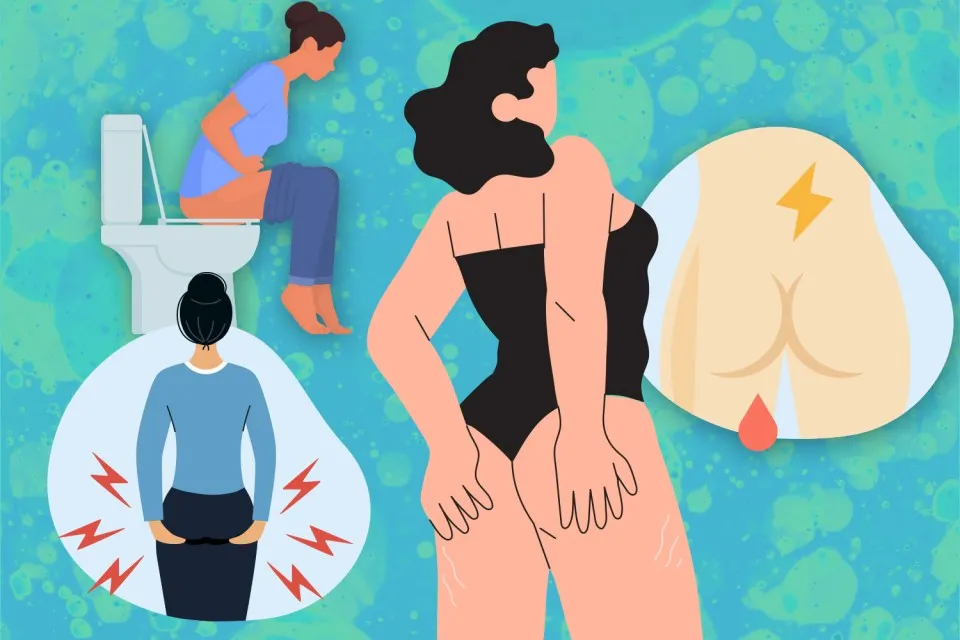
It can cause symptoms like bleeding from the bottom or changes in bowel habits, which may be mistaken for less serious conditions like piles or irritable bowel syndrome (IBS).
Anal cancer is thought to be more common in older adults, though studies suggest it’s being spotted in younger people too.
Macmillan Cancer Support warns women are increasingly being affected by anal cancer in the UK.
A similar trend had been seen in the US, with researchers noting the biggest rise among older women.
Ashley Robinson, a second-year internal medicine resident at Advocate Lutheran General Hospital, said: “Rates of anal cancer are rising fastest among white and Hispanic women over 65 — groups not traditionally considered high risk
“While the exact reasons behind this trend remain unclear, most older women were beyond the recommended age for human papillomavirus vaccination when it first became widely available.”
Anal cancer symptoms

Anal cancer symptoms can be difficult to spot, as they often mimic more common and less serious conditions like haemorrhoids, anal fissures or irritable bowel syndrome (IBS).
Symptoms of anal cancer can include:
- Bleeding from your bottom
- Itching and pain around your anus
- Small lumps around and inside your bottom
- A discharge of mucus from your bottom
- Having problems controlling when you poo (bowel incontinence)
- Needing to poo often with looser, runnier poos
Generally, bleeding related to haemorrhoids is bright red and happens during or after bowel movements, while bleeding related to cancer may be dark or bright red and happen at any time.
If you notice bleeding, it’s important to see a GP and get checked because it’s difficult to tell the difference between these two conditions.
You may be more likely to get anal cancer if you:
- Have anal sex
- Are over the age of 75
- Smoke
- Have had cervical, vaginal or vulval cancer
- Have a weakened immune system, such as from HIV or an organ transplant
How to reduce your anal cancer risk
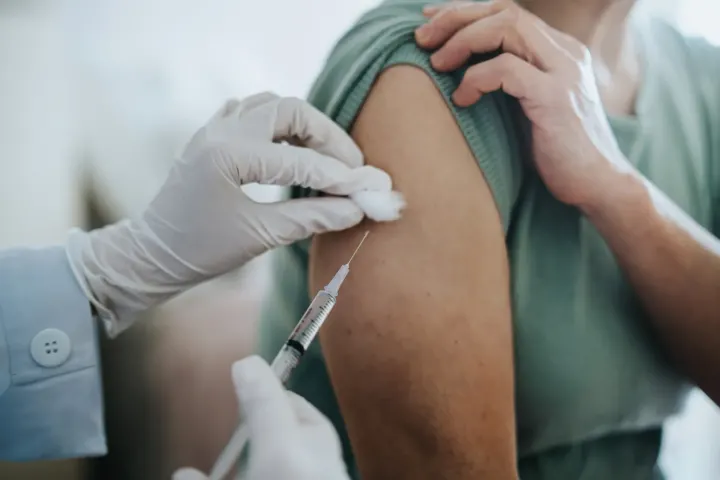
You cannot always prevent anal cancer, but getting vaccinated against HPV is one of the best ways of reducing your risk.
All children aged 12 to 13 are offered the HPV vaccine. It helps protect against cancers caused by HPV, as well as genital warts.
- Use a condom when you have sex to lower your chances of getting HPV
- Keep sex toys clean and don’t share them
- Stop smoking
Source: NHS