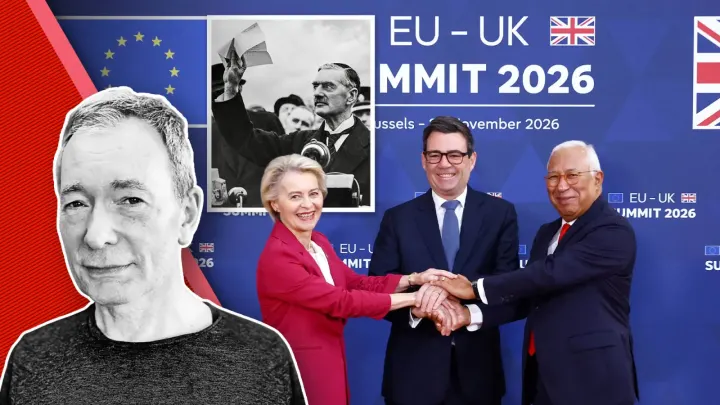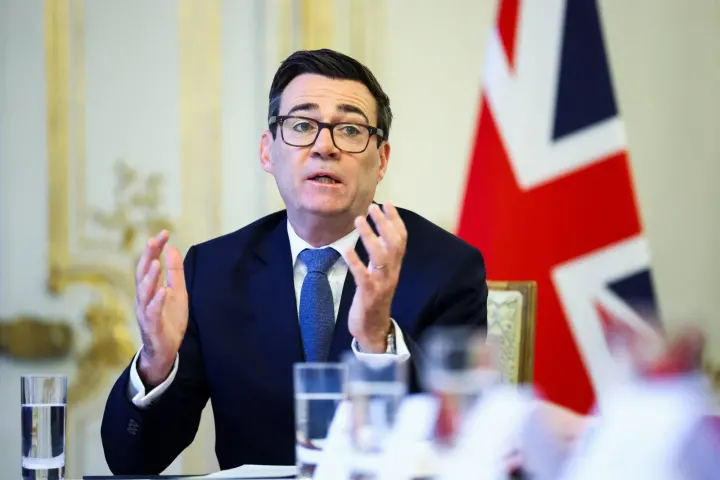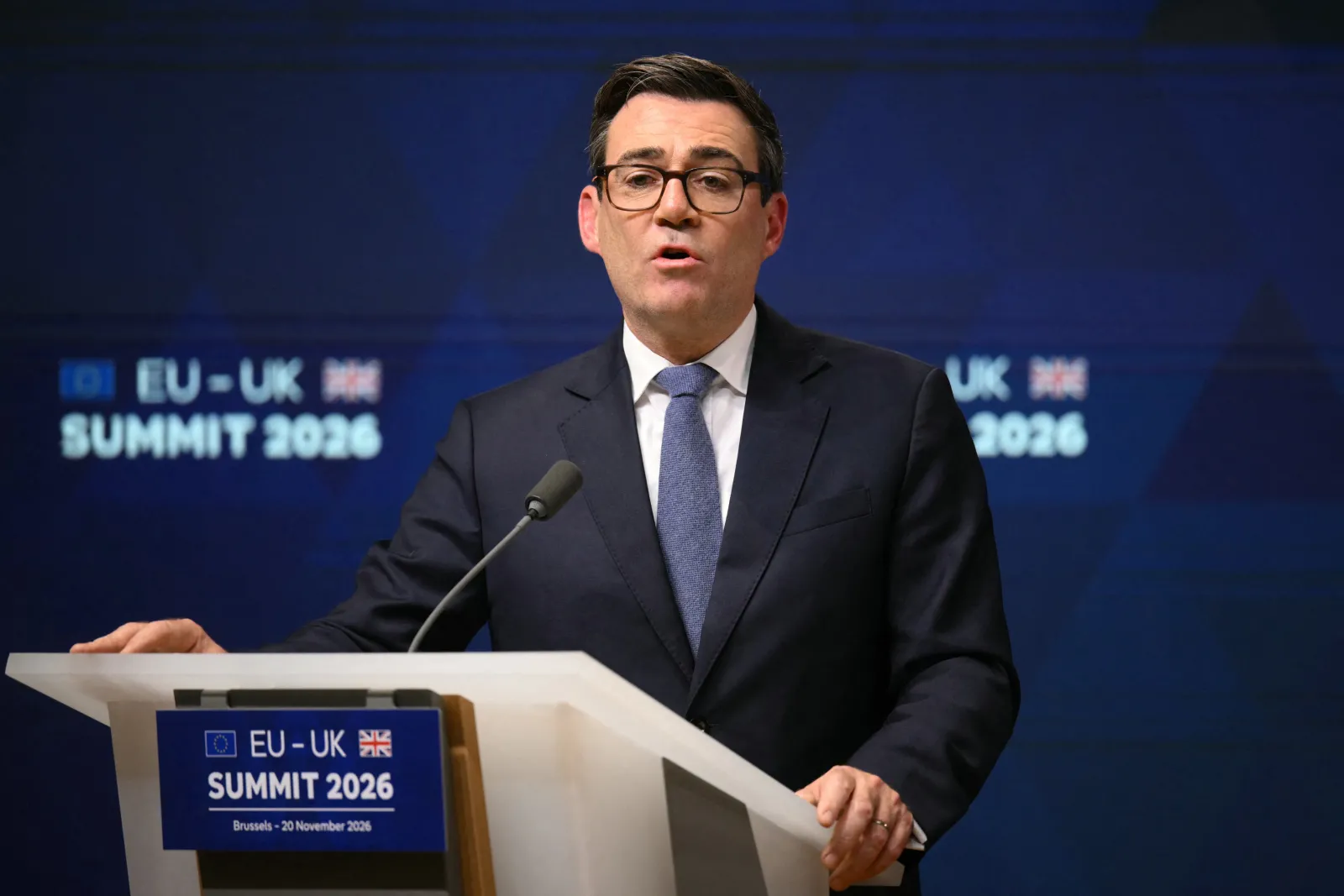
Prime Minister Andy Burnham is facing intense scrutiny over a proposed new Brexit deal that campaigners warn could cost the British public an eye-watering three billion pounds a year. Critics have branded the arrangement the greatest European Union swindle, arguing that UK taxpayers and shoppers will pay heavily for closer ties with Brussels. The agreement in question encompasses multiple sectors, touching upon food and farming regulations, a youth mobility scheme, plans for rejoining the European Union electricity market, and initiatives to reduce university tuition fees for students from member states. As the political debate intensifies, the financial projections released by critics and the government present sharply contrasting views of the country's economic future.
The debate comes at a sensitive time for the administration, as senior political figures and trade groups weigh the long-term consequences of altering the post-Brexit relationship with Europe. While proponents argue that regulatory alignment and closer cooperation will stimulate growth and lower consumer prices, opponents warn of hidden financial burdens that will ultimately fall on ordinary citizens. Understanding the scope of this proposed agreement requires examining the specific cost breakdowns, the historical context of the 2016 referendum, and the internal political divisions within the governing party.
What is Included in the Proposed Agreement?
The sweeping package negotiated under the leadership of Andy Burnham covers several distinct policy areas that were previously separated or restricted following the departure of the United Kingdom from the European Union. According to policy documents and campaign analyses, the arrangement involves a food and farming pact aimed at smoothing agricultural trade, alongside provisions for a youth mobility scheme designed to ease travel and employment for young adults. Furthermore, the proposals outline steps to reintegrate the nation into the European Union electricity market and adjust higher education financing to lower university fees for European Union students.
Supporters of the arrangement argue that these measures are necessary to repair trade frictions that emerged after the original withdrawal agreement took effect. By harmonizing certain standards and easing bureaucratic red tape, advocates believe that commercial enterprises will save money on administrative overhead. However, the inclusion of multiple complex sectors in a single package has drawn immediate fire from Eurosceptic organizations and political opponents who view the plan as a step toward full reversal of the 2016 referendum result.
How Much Will the New Deal Cost Taxpayers and Businesses?
New financial analysis published by the Stay Out campaign sheds light on the projected economic burdens associated with signing up to these various European Union alignments. The research indicates that the agreement would cost two point two billion pounds a year in new expenses for the British state to implement and maintain the required bureaucratic and regulatory frameworks. In addition to the direct state expenditures, British businesses would face seven hundred sixty-three million pounds in extra costs annually, figures that are widely expected to be passed down to consumers through higher retail prices.
Oliver Lewis, chairman of Stay Out and a former UK Brexit negotiator, offered a scathing assessment of the findings. He stated, Andy Burnham and the British public have been swindled by the European Union. They saw Burnham coming a mile off. The Prime Minister has come home with a two point two billion annual bill for taxpayers, and the costs heaped on UK businesses will find their way into every weekly shop and energy bill. Critics argue that these financial outlays contradict the promises made by proponents of closer integration regarding consumer savings.
Government Defense and Counter-Projections
In response to the dire financial warnings issued by the Stay Out campaign, government sources strongly defended the strategy and dismissed the opposing calculations as unreliable. A government source rubbished the figures, stating, These are the same dodgy claims from the same people who gave us a Brexit that pushed up the cost of living. They cannot be trusted. The administration insists that maintaining the status quo is economically unsustainable because the original withdrawal terms have caused measurable harm to the national economy.
Instead of imposing a financial burden, government officials project that the new arrangement will generate significant economic benefits. The official source asserted, Our deal will add seventeen billion a year to our economy, by cutting costs for business, helping with the cost of the weekly shop and creating opportunities for young people. Prime Minister Andy Burnham has similarly defended the initiative as a win-win scenario, maintaining that it cuts costs for business, helps with the cost of the weekly shop, and creates opportunities for young people, while also leaving open the possibility of reversing Brexit after the next election.
Political Divisions and Warnings from Within Labour
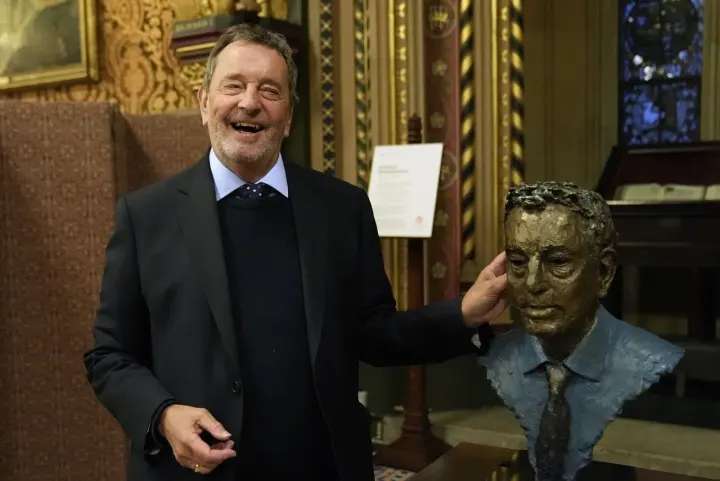
The push toward closer alignment with Europe has triggered deep anxieties within the governing Labour Party, with several senior figures breaking cover to voice their opposition. In a notable intervention, Lord Blunkett warned that moving too quickly to rejoin the European Union bloc would be a grave mistake. Writing in the media, the former home secretary and mentor to the Prime Minister urged extreme caution, reminding policymakers that the British public voted to leave the trading bloc just a decade ago and that the governing party previously agreed to respect that outcome.
Lord Blunkett added that reopening the debate risks opening up a Pandora Box of social and political division. While acknowledging that some opinion polls suggest public sentiment has shifted away from the initial departure, he remained sceptical about the readiness of the electorate to embrace bolder moves toward reintegration. Privately, many Labour members of parliament share these concerns, fearing that reviving the bitter arguments of the past decade could fracture the political landscape and destabilize the country.
Background on the Brexit Debate and Public Opinion
The ongoing friction surrounding the United Kingdom relationship with Europe stems from the historic June 2016 referendum, in which a majority of voters chose to leave the European Union. Years of arduous negotiations followed, culminating in the formal departure and the implementation of the Trade and Cooperation Agreement. Since then, various sectors of the economy, particularly agriculture, manufacturing, and energy, have adapted to new customs barriers and regulatory checks, resulting in recurring debates over trade efficiency and economic competitiveness.
Proponents of closer ties frequently point to polling data indicating that public regret over the economic impacts of departure has grown over time. Conversely, skeptics argue that abandoning the regulatory independence gained through the withdrawal process would surrender national sovereignty without guaranteeing prosperity. As Andy Burnham navigates these competing pressures, the path forward remains contentious, with voters and businesses closely watching how the administration handles its commitments to Brussels.