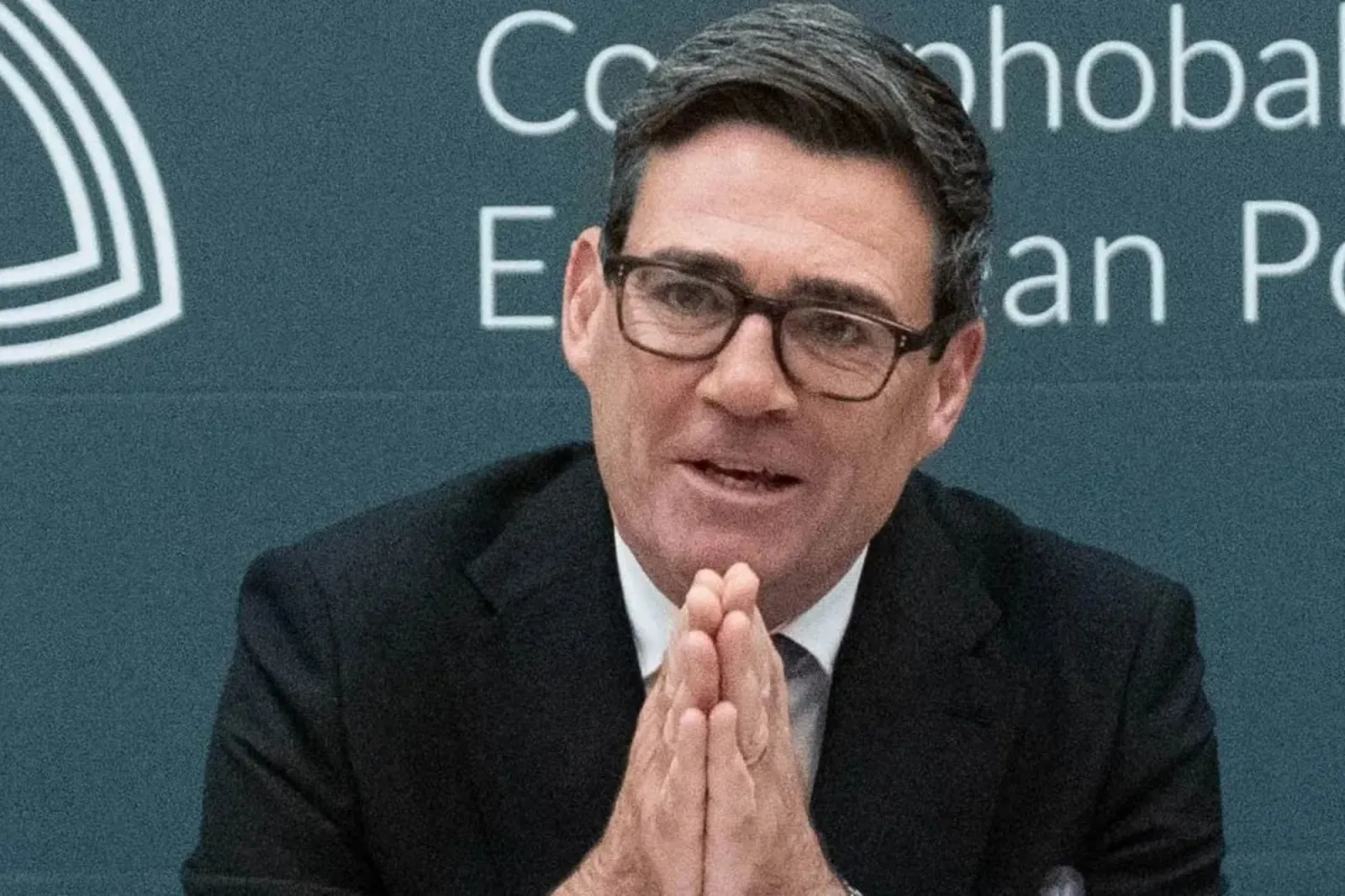
Andy Burnham, the new prime minister of the United Kingdom, has publicly rebuked former prime minister David Cameron after Cameron warned that Britain should not be dragged back into the European Union.
Cameron, speaking as a Conservative peer, called Burnham's push to re-join the bloc "wrong" and suggested that the nation's current problems are unrelated to Brexit.
What Burnham Said About Cameron's Warning
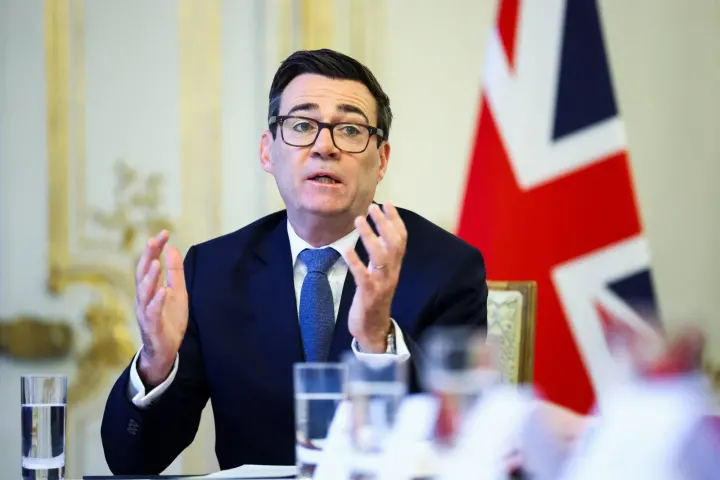
During a press briefing, Burnham said: "I think he is wrong to say that the low growth that we've had over the last decade has quote 'nothing to do with Brexit'." He added, "I would say the evidence says otherwise and, indeed, the Treasury analysis says otherwise." Burnham also accused Cameron of acting out of "unity in the Conservative Party" rather than "British interests".
Burnham argued that voters who supported the 2016 referendum to "take back control" ended up with a "harder Brexit" than they expected, implying that the economic slowdown since then is linked to the departure from the EU.
David Cameron's Position on Re-joining the EU
Lord Cameron, a former prime minister and now a Conservative peer, warned that Britain's problems have nothing to do with Brexit and that re-joining could lead to a worse deal for the UK. He told Bloomberg, "Do we really want to go into another decade-long debate about whether we should be in or out when actually we should deal with our own problems while making the partnership model work?" Cameron, who was a Remainer in 2016, said that re-joining now would not solve the country's challenges.
Background: The 2016 Referendum and Its Aftermath
The United Kingdom held a nationwide referendum on 23 June 2016 to decide whether to remain in or leave the European Union. The result was 51.9% in favour of leaving, triggering Article 50 of the Treaty on European Union and beginning the formal process of withdrawal.
Following the vote, the UK entered a period of negotiation with the EU, culminating in the withdrawal agreement that took effect on 31 January 2020. The post-Brexit era has seen a series of economic indicators, such as GDP growth, trade balances, and investment flows, decline relative to pre-referendum levels, a trend that many analysts, including the Treasury, have linked to the loss of seamless access to the single market.
Why the Debate Matters Now
Burnham's ambition to see the UK re-join the EU within his lifetime coincides with a scheduled UK-EU summit in Brussels next week. The summit is expected to address trade, security, and regulatory cooperation, and could lay the groundwork for any future membership talks.
In addition to the EU issue, Burnham used his recent trip to Dublin for the European Political Community to announce fresh sanctions on all ten of Russia's major oil producers, signalling a broader foreign-policy agenda that includes pressure on Moscow over the war in Ukraine.
Impact on British Citizens and Businesses
If the UK were to pursue re-membership, the most immediate impact would be on trade rules. Companies that currently face customs checks and regulatory divergence would stand to regain frictionless access to the EU market, potentially lowering costs and expanding market reach.
Consumers could see price adjustments on goods that are currently subject to tariffs or additional compliance costs. On the political side, a move toward re-joining would likely reshape party dynamics, especially within the Conservative Party where the Brexit split remains a potent fault line.
What Comes Next: The Brussels Summit and Potential Pathways
The upcoming UK-EU summit in Brussels is expected to produce a joint statement on cooperation. While no formal re-membership talks are on the agenda, the summit could set the tone for future negotiations. Observers will watch for any language that acknowledges the possibility of a deeper relationship beyond the current partnership model.
Should the UK decide to formally apply for membership, it would need to meet the Copenhagen criteria, which include stable democratic institutions, a functioning market economy, and the acceptance of EU law. The process would also require unanimous approval from all existing EU member states.
Practical Takeaways for Readers
- Businesses should monitor the outcome of the Brussels summit for any changes to customs procedures or regulatory alignment.
- Consumers may experience price shifts on imported goods if trade terms are altered.
- Political observers should note how the debate influences party positions, especially within the Conservatives.
Burnham's statement underscores a growing faction within UK politics that views EU re-membership as a remedy for economic stagnation, while Cameron's warning reflects a cautionary perspective that prioritises sovereign decision-making over deeper integration.
As the UK navigates its post-Brexit identity, the clash between Burnham and Cameron highlights the enduring debate over whether the nation's future lies within the EU framework or outside it.