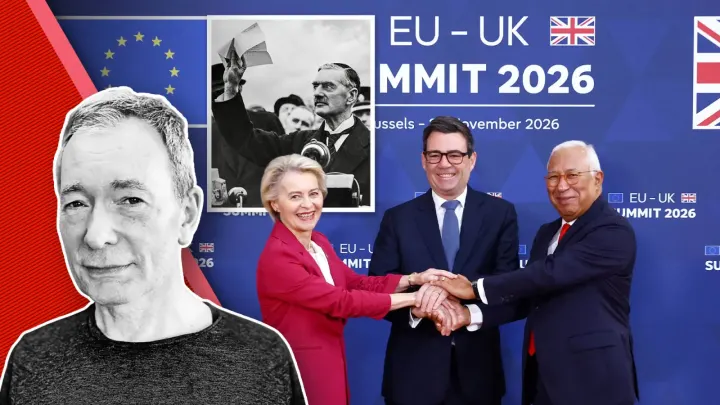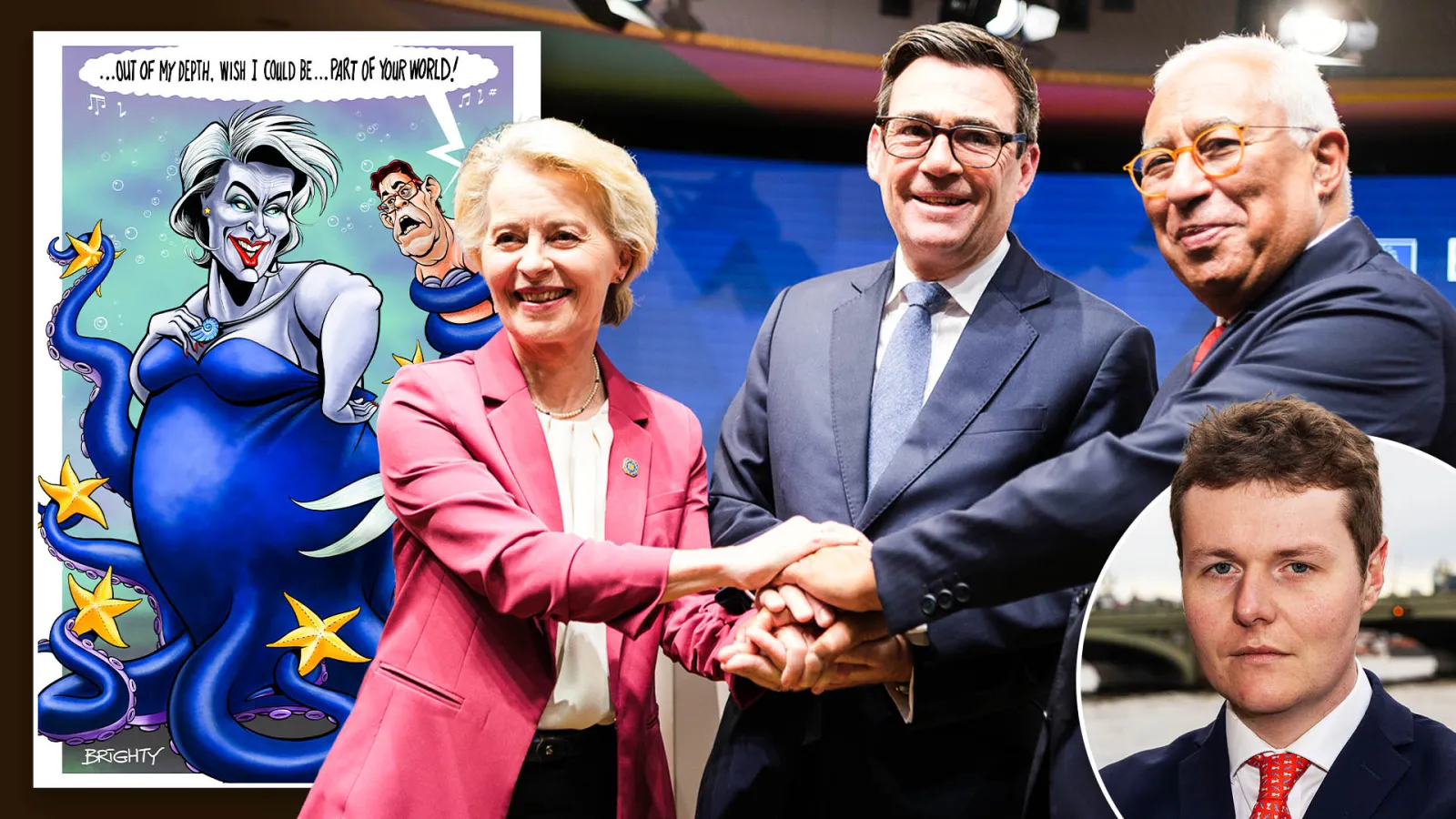
EUROCRAT-in-chief Ursula von der Leyen was bang on when she said in Brussels last week: "I have many British friends, and they're very good at making up their minds."
Prime Minister Andy Burnham has placed Brexit back on the political agenda, arguing that a fresh EU relationship will lower supermarket prices and strengthen the economy. The move comes despite recent polling that shows only a small fraction of the electorate consider Brexit a priority.
Why the shift matters: voters are currently more concerned about the economy, immigration, health, crime, defence and welfare, while just 11 per cent rank Brexit among their top issues, according to the YouGov tracker of public priorities.
What the YouGov Tracker Reveals About British Priorities
The YouGov survey, regularly cited by media outlets, asks respondents to rank the issues that matter most to them. The latest data places the economy and immigration at the very top, followed by health, crime, defence and welfare. Brexit falls to the bottom of the list, with only 11 per cent of respondents naming it as a top priority. This marks a sharp decline from the pre-referendum era, when Brexit dominated voter concerns.
How Burnham's EU Deal Is Presented
Burnham has repeatedly claimed that the newly negotiated EU deal will "bring the cost of food down" in supermarkets. He presented the promise as a tangible benefit for ordinary voters, suggesting that smoother trade ties will translate into lower prices at the checkout.
Critics argue that any savings from reduced paperwork and tariffs will be offset by the current high inflation environment. The Treasury has warned that price reductions are not guaranteed and that the overall impact on household budgets remains uncertain.
Political Calculus Behind the Brexit Push
Burnham's strategy appears aimed at uniting left-wing progressives who share a common opposition to Brexit. By foregrounding a pro-EU stance, he hopes to attract Labour supporters, Liberal Democrat voters and Green Party sympathisers. The article notes that "nothing brings together Labour luvvies, Lib Dem windbags and Green crusties more than their total, unshakeable hatred of Brexit."
In addition to the EU stance, Burnham has floated other policy ideas such as sanctioning Israeli settlements and proposing proportional representation, which are intended to broaden his appeal ahead of the next election.
Reactions From Opposition Figures
Former Brexit champion Nigel Farage responded to Burnham's remarks by saying the prime minister has "let the genie out of the bottle" with his promise to "brainstorm" options for Britain's longer-term future with the EU. Farage's comment underscores the renewed tension between pro-EU and hard-Brexit factions.
Conservative MP Kemi Badenoch, who has opposed reopening the Brexit result, has warned that focusing on the EU deal could distract the government from pressing economic and welfare challenges.
Within Labour, cabinet ministers such as David Lammy and Rachel Reeves have shifted their public positions on EU relations, leading to accusations of hypocrisy and further eroding public trust in politics.
Economic Implications of the EU Deal
The promise of lower food prices hinges on the assumption that trade friction will be reduced. Under the new agreement, customs checks on certain goods are expected to be streamlined, potentially cutting costs for importers.
However, analysts point out that food prices are influenced by multiple factors, including global commodity markets, energy costs and supply chain disruptions. The Treasury's inflation forecast suggests that any marginal savings from trade facilitation could be swallowed by broader price pressures.
Ed Miliband, a senior Labour figure, echoed Burnham's claim on television, promising lower shop prices. The article recalls Miliband's earlier pledge to knock £300 off energy bills, prompting readers to question the feasibility of such promises.
Broader Policy Landscape: Small Boats, Welfare and Disability Benefits
While Burnham focuses on Brexit, other urgent issues dominate parliamentary business. The latest Milburn review on small-boat arrivals and a forthcoming report on disability benefits are set for debate in the coming weeks.
Critics argue that the government should prioritize these matters, along with reforms to the asylum system and rising welfare costs, rather than revisiting a referendum that the public has largely moved past.
What Comes Next for the UK Government
The EU deal is already in force, but its long-term effects will be monitored by the Department for Business and Trade. The Treasury will publish periodic assessments of price trends to gauge whether the promised food-price reductions materialise.
Parliament is expected to scrutinise the deal during upcoming committee hearings. Meanwhile, Burnham's political opponents are likely to raise the issue in the next round of debates, especially if inflation remains high.
Watch for statements from the Office for National Statistics on food-price inflation, as well as any new polling that tracks public sentiment on Brexit versus other priorities.
Practical Takeaways for Readers
- If you are a consumer, monitor supermarket price changes over the next six months to see if any noticeable reductions occur.
- Voters who prioritise the economy, immigration or health may want to assess how much weight they give to Brexit in upcoming elections.
- Businesses that rely on EU imports should stay informed about customs procedures under the new deal, as smoother processes could affect margins.
In summary, Burnham's renewed Brexit focus represents a calculated political gamble. While it may rally certain left-wing voters, the broader electorate appears more concerned with immediate economic and social issues. The coming months will reveal whether the promised benefits of the EU deal translate into real-world savings for households, or whether the focus on Brexit will backfire politically.