Lord Jim O'Neill Demands Major Overhaul Of Property Taxation
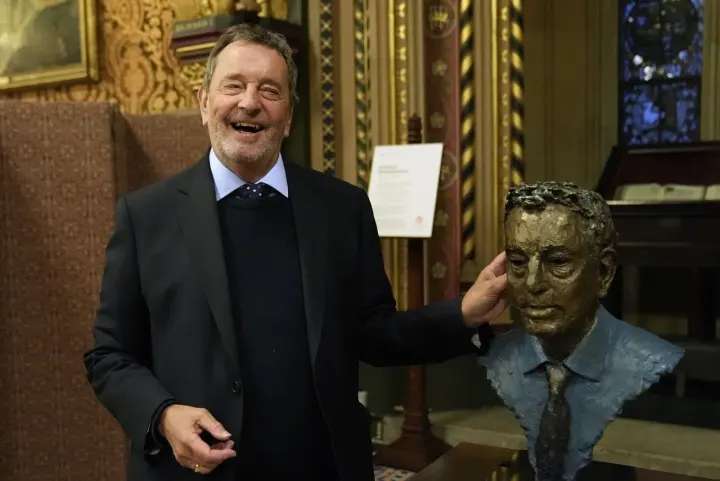
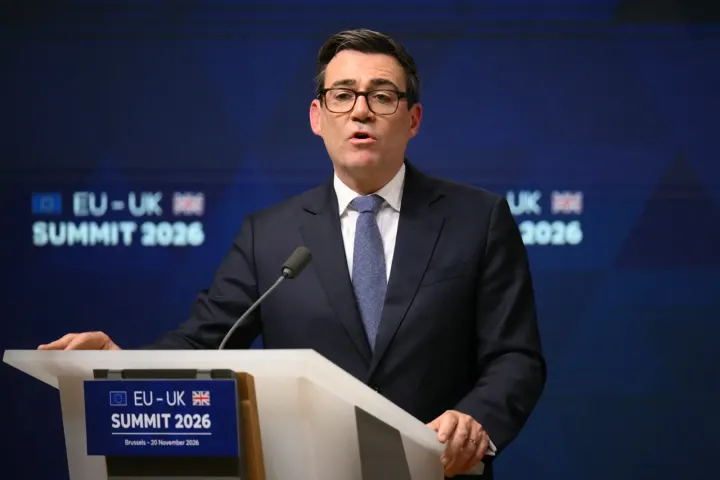
An ally of Andy Burnham is calling for a major shake-up of council tax and stamp duty as households face rising bills. Lord Jim O'Neill insists Britain has a nonsensical approach to property taxation which is now outdated and holding back growth. His remarks come as MPs are due to debate proposals in Westminster today following a petition signed by 100,000 people. Campaigners are also demanding the issue is addressed in the Prime Minister's ten-year plan that is due to be set out next month.
A coalition of MPs, charities and leading experts have written to Downing Street demanding an independent review into the matter. The peer had been advising Mr Burnham but did not take a job in Downing Street. The debate in Parliament puts renewed pressure on government figures to address public concerns regarding household finances.
Why Experts Call Current Property Taxes Nonsensical
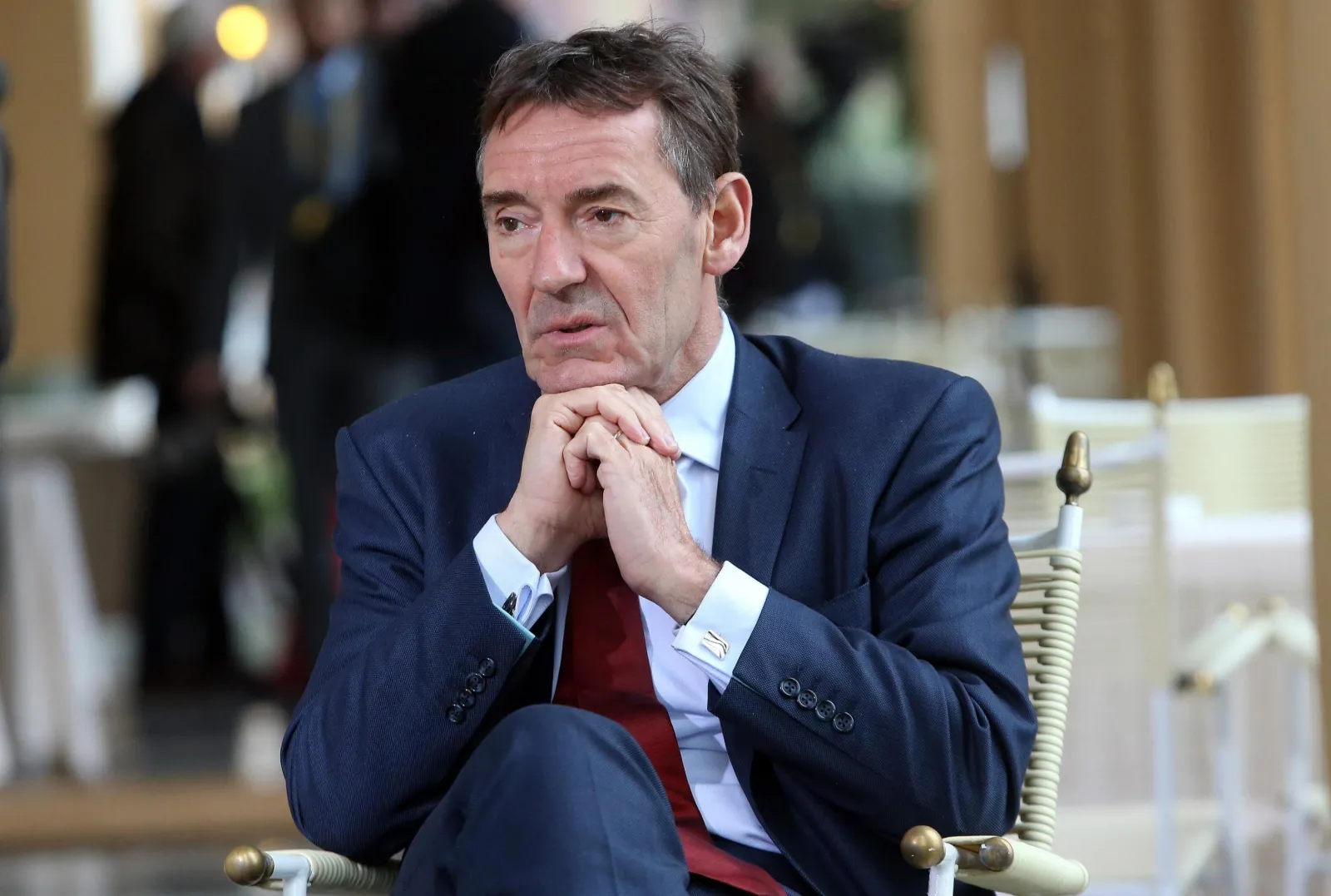
Lord Jim O'Neill, a Crossbench peer, stated that widespread agreement exists regarding the flawed state of property levies. The owners of higher-value homes can pay far less council tax as a proportion of their property value than people at the other end of the scale. Meanwhile, stamp duty discourages people from moving and holds back economic activity. Now is the time for bold action to fix the property tax system once and for all, according to the peer.
The current framework relies on valuations that fail to reflect modern economic realities. Without intervention, administrative distortions continue to penalise certain demographics while shielding others. Critics point out that these structural flaws require comprehensive evaluation rather than minor adjustments.
Labour MP Jonathan Hinder Speaks Out On Regressive Levies
Meanwhile, Labour MP Jonathan Hinder said that council tax stands as the most unfair, regressive tax in Britain, and a considered independent review of comprehensive property tax reform is long overdue. This debate is an opportunity for MPs to say enough is enough and unite behind real change. He added that reform should start in the Prime Minister's ten-year plan.
Lawmakers supporting the petition argue that ordinary families bear an unjust burden under the current structure. The rising cost of living makes the impact of regressive taxation even more acute for households trying to make ends meet. Parliamentary discussions aim to push these concerns directly to government ministers.
The Growing Threat Of Outdated Valuations By 1991 Levels
The letter sent to Downing Street warns that without any action over the next ten years, council tax valuations will be nearly fifty years out of date to 1991 levels. Some low and middle-income households even face a £900 increase in the council tax levy over the next decade without change. This widening gap creates severe disparities across different regions and property brackets.
Relying on property values set decades ago distorts the fairness of local taxation. Properties that have appreciated significantly pay disproportionately low rates compared to newer or less valued dwellings. Experts argue this freeze in revaluation cycles creates an unsustainable trajectory for public finances.
How Stamp Duty Blocks Housing Market Mobility
Stamp duty adds thousands of pounds to moving property and often puts off families moving areas for work. It also puts off older homeowners from downsizing and allowing more suitable families to move into bigger homes. This friction within the housing market reduces overall economic flexibility.
When transaction costs remain excessively high, fewer people choose to relocate for employment opportunities. The logjam affects labor market efficiency and prevents housing stock from being used effectively by households at different life stages.
Call From Compass Director Neal Lawson For Independent Review
Neal Lawson, Director of Compass, said that the Prime Minister has committed to taking on the big challenges where other politicians have failed, and the inequality at the heart of our property tax system should be absolutely central to that. We need an independent review to consider the options and deliver for the working people that put their trust in Labour to deliver real change.
Campaigners maintain that public trust depends on addressing structural inequalities in the tax system. An independent commission would allow experts to weigh various options without immediate political interference. The push for a dedicated review remains a central demand of the coalition writing to Downing Street.