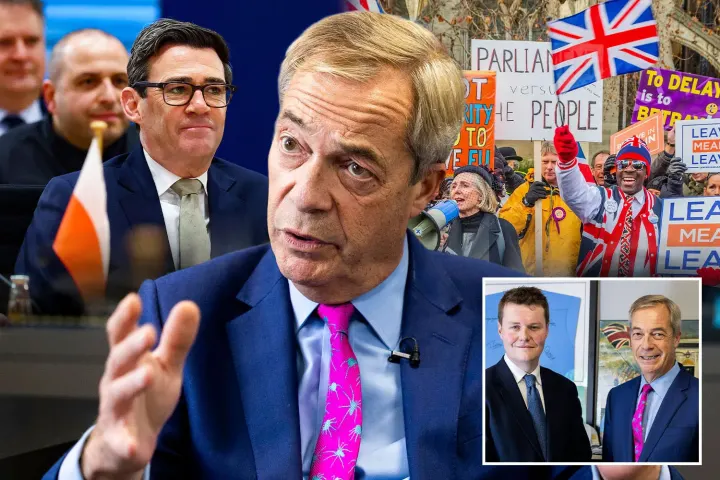
Andy Burnham returned to Britain on Wednesday morning after a two-day diplomatic tour that took him to Turkey and Ireland, a schedule that has ignited debate over the environmental impact of his travel and the political stakes of upcoming welfare reforms.
The prime minister's brief appearance at the COP climate summit in Turkey was seen by many as a symbolic gesture, but critics argue that the carbon cost of his flights may outweigh the diplomatic benefit.
What Happened at the COP Climate Summit in Turkey?
Burnham arrived late on Wednesday night in Turkey and delivered a short speech to a half-empty hall early on Thursday morning. The speech was limited to a few minutes, after which he boarded a plane for Dublin. The timing of the visit, the low attendance, and the brief remarks have led observers to question whether a virtual appearance via Zoom would have been more appropriate for a climate conference.
Why Did Burnham Travel to Dublin for the European Political Community Summit?
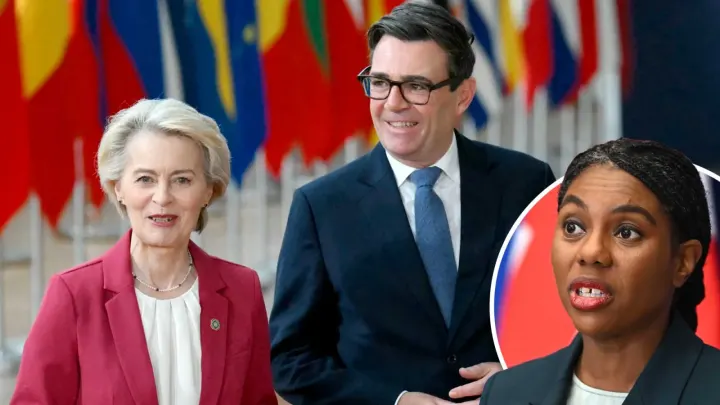
After leaving Turkey, Burnham flew to Dublin for the European Political Community (EPC) summit, an event that, while not an EU meeting, serves as a prelude to the UK-EU summit scheduled for next week. The EPC summit brings together leaders from European nations to discuss shared challenges, and the UK's participation signals a willingness to re-engage with the continent.
During the Dublin talks, the leaders focused largely on Ukraine and broader security concerns. Burnham used the platform to rebut former Prime Minister David Cameron, who had recently warned against Britain re-joining the EU. Burnham said Lord Cameron was "wrong" about the intervention to stop Britain's return to the bloc, adding, "I would say the evidence says otherwise and, indeed, the Treasury analysis says otherwise." He further suggested that Cameron's move was motivated more by "unity in the Conservative Party" than by British interests.
How Does Burnham View Brexit and Future Relations with the EU?
Burnham has repeatedly expressed a desire to soften Brexit, leaving open the possibility of greater freedom of movement and even a full re-entry into the EU. He argued that voters who backed the 2016 referendum for "taking back control" have ended up with a "harder Brexit" than they expected. When asked by The Economist about the end-game of Brexit, Burnham replied, "Who knows how it plays out in the endgame here?" indicating a degree of uncertainty about the precise pathway forward.
What Are the Environmental Implications of Burnham's Air Travel?
The prime minister's itinerary involved crossing three countries in two days, generating a sizable amount of carbon emissions. Downing Street maintains that climate action is a top priority for Burnham, asserting that his physical presence at COP was intended to demonstrate commitment. Nonetheless, environmental groups and opposition politicians have highlighted the irony of a climate summit attendee contributing significantly to the very emissions the conference seeks to curb.
Experts note that a round-trip flight from London to Istanbul and then to Dublin can emit roughly 1.2 tonnes of CO₂ per passenger, a figure that dwarfs the emissions of a typical UK household's weekly energy use. The debate centers on whether diplomatic symbolism justifies the carbon cost, or whether virtual participation could achieve the same diplomatic objectives with a lower environmental footprint.
What Is the Upcoming Alan Milburn Welfare Report About?
Beyond the diplomatic tour, the next week promises a major policy development: a report by former Cabinet Minister Alan Milburn on overhauling the UK benefits system. Milburn's proposals include cutting handouts for certain young people to incentivise employment, a move that could cost additional taxpayer billions in the short term but is framed as a long-term investment in workforce participation.
Labour MPs have already signalled dissent, with some members threatening rebellion against the plan. The report's recommendations could reshape welfare provision for millions, affecting eligibility criteria, benefit levels, and the administrative framework that delivers support.
Why Might Labour Face an Internal Diplomatic Challenge?
Burnham's focus on both international diplomacy and domestic welfare reform places him at the centre of two potentially conflicting pressures. While he seeks to improve UK-EU relations, he must also manage dissent within his own party over the Milburn report. The "real art of diplomacy," as the article puts it, may therefore involve negotiating with dissenting Labour MPs as much as with foreign leaders.
The stakes are high: a successful re-engagement with the EU could ease trade barriers and restore some aspects of freedom of movement, while a contested welfare reform could fracture Labour's parliamentary majority, jeopardising the government's ability to pass legislation.
What Are the Next Steps for Burnham and Labour?
In the immediate term, Burnham will return to the UK to prepare for the UK-EU summit next week, where discussions on scaling back Brexit will intensify. Simultaneously, Labour will review Milburn's report, debate its recommendations in parliamentary committees, and decide whether to adopt, amend, or reject the proposed changes.
Observers advise watching for three key signals: the language of the UK-EU summit communiqué, the voting record of Labour MPs on the Milburn proposals, and any further statements from Burnham about the environmental cost of his travel. These will indicate how the government balances its foreign policy ambitions with domestic political stability.
For citizens, the outcomes could affect everything from the price of imported goods to eligibility for certain benefits. Businesses that rely on EU supply chains will watch the Brexit negotiations closely, while young people on low-income support will be directly impacted by any changes to the benefits system.
In sum, Burnham's whirlwind diplomatic sprint has sparked a broader conversation about the trade-offs between climate responsibility, international relations, and internal party cohesion. How the prime minister navigates these intersecting challenges will shape the political landscape for months to come.