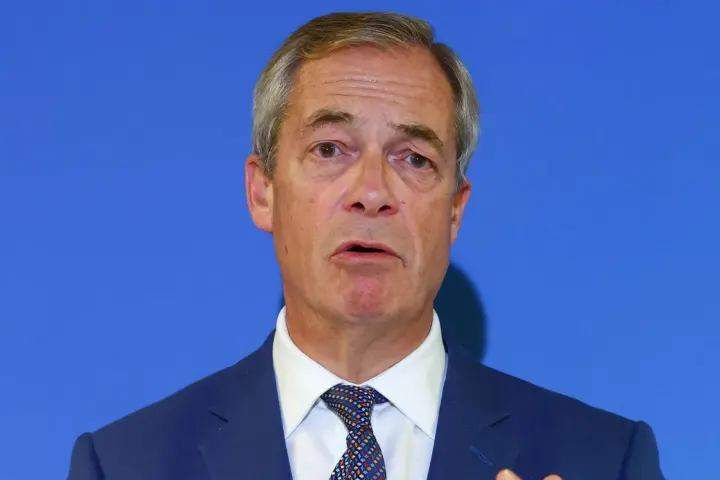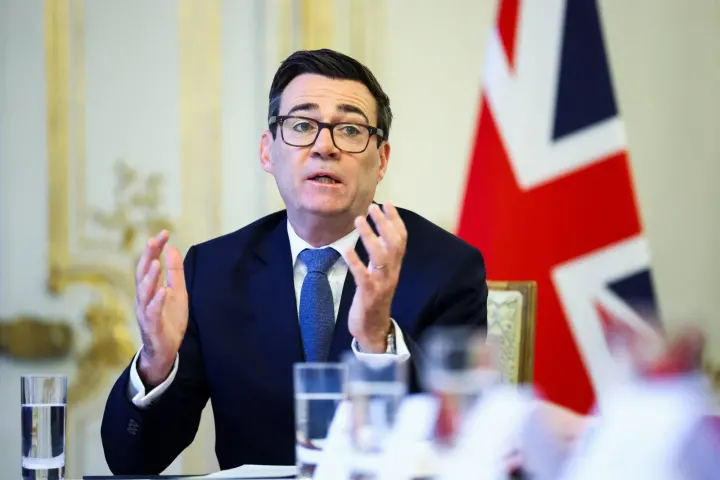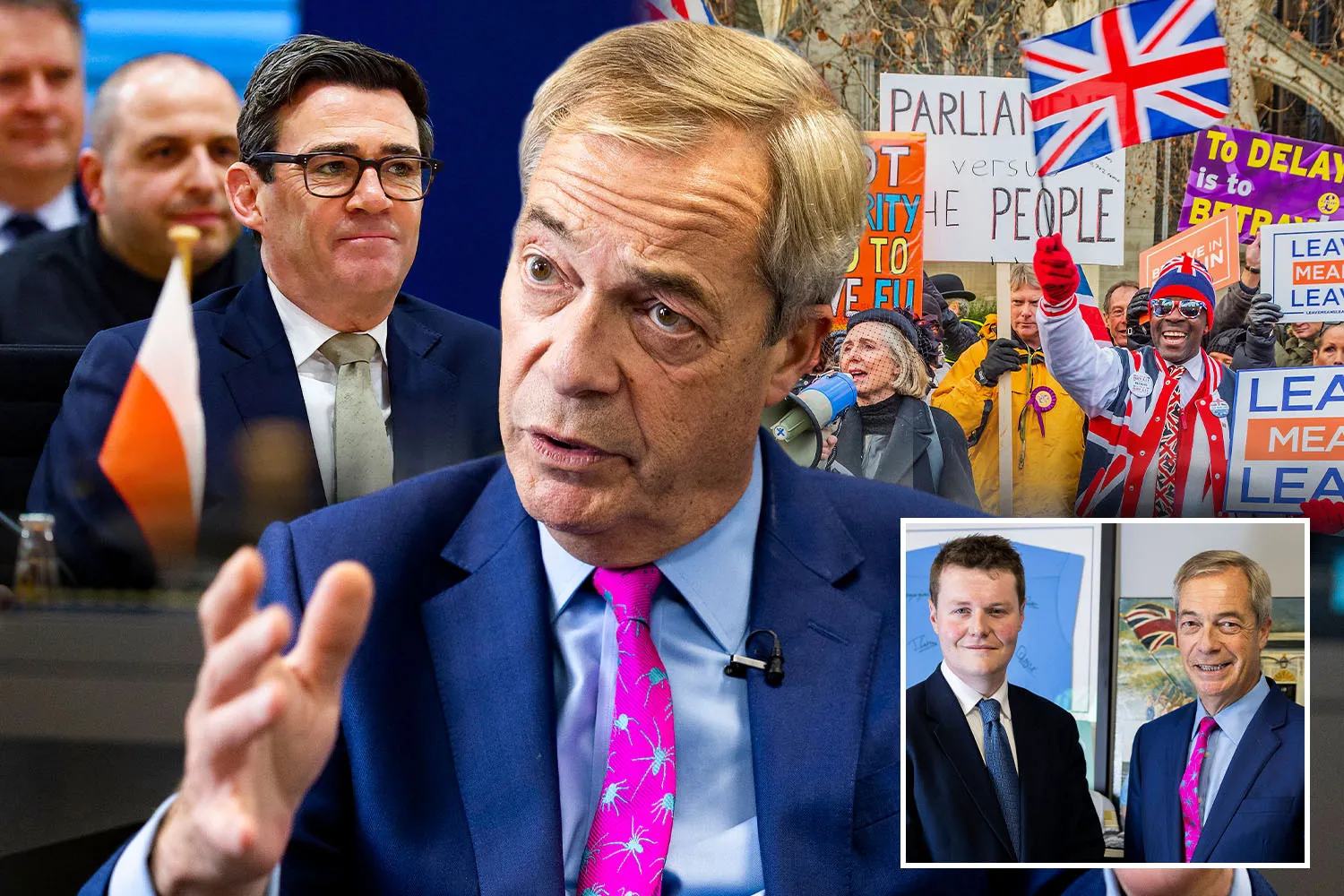
Reform leader Nigel Farage has issued a stark warning that Britain could experience civil unrest and riots if Prime Minister Andy Burnham reverses Brexit. Speaking in a recent interview, the prominent right-wing politician condemned the Prime Minister for what he described as a cynical attempt to cozy up to the European Union, arguing that such a policy shift would shatter public trust in democratic institutions.
The political landscape in Westminster has grown increasingly tense as discussions regarding the nation's long-term relationship with Brussels resurface. Mr Farage expressed intense anger over the prospect of the 2016 referendum result being undone by political leaders without a clear mandate, setting the stage for a renewed national debate over national sovereignty and borders.
Why Nigel Farage Believes Democracy Is at Risk
Mr Farage spent decades campaigning for Britain to leave the European Union, culminating in the historic 2016 referendum. During his interview, he accused successive governments of betraying the millions of citizens who voted to leave, noting that public faith in the electoral process is currently at a very fragile point.
When discussing the mood of the electorate, the Reform chief pointed out that a growing number of young people are beginning to consider direct action as a viable method for political expression. Asked if this sentiment could lead to citizens taking to the streets in protest, he acknowledged a growing sense of frustration among the public.
While maintaining that he has never encouraged such measures and would personally discourage them, he stated that he understands why online discussions are heading in that direction. He attributed this unrest to repeated broken promises regarding national borders, state control, and the fundamental question of who governs the country.
Andy Burnham and the Reopened Brexit Debate
The controversy surrounds recent comments made by Prime Minister Andy Burnham, which have successfully opened up old battle lines over the European Union. Although Downing Street insisted that the Prime Minister has not proposed rejoining the trading bloc outright, Mr Burnham noted in September that the administration could go all the way to full membership if conditions allowed.
Mr Farage argued that the Prime Minister has effectively let the genie out of the bottle by even entertaining the idea of reversing the historic withdrawal. He suggested that it is already too late to retract the rhetoric, noting that the debate has firmly returned to the center of British politics. Pitting himself against his political rivals, the Reform leader emphasized that he has never wavered or changed his stance on the issue.
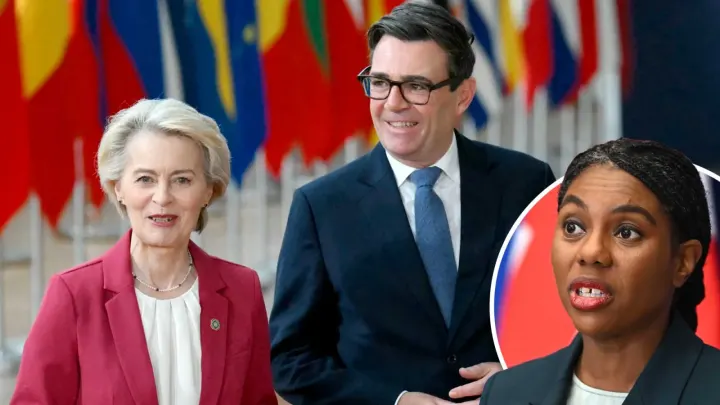
Meanwhile, Conservative rival Kemi Badenoch also criticized the Prime Minister for reigniting the Brexit wars. However, Mr Farage rejected suggestions of a formal political alliance, dismissing the Conservative-led Stay Out campaign group and confirming he will forge his own path with alternative political campaigns.
The Youth Mobility Scheme and European Union Negotiations
The Prime Minister traveled to Brussels for a high-stakes European Union summit, where immigration and youth exchange programs remained central topics of discussion. While the government has officially ruled out a return to full freedom of movement during the current parliamentary term, officials have left the door open for future adjustments.
Instead of full freedom of movement, the administration planned to use the talks to negotiate a Youth Mobility Scheme. This program would allow a specified quota of individuals under the age of thirty to live and work in the United Kingdom.
Mr Farage strongly condemned this initiative, branding the proposed youth exchange framework as the beginning of total open door immigration. Despite his sharp criticism of the strategy, which he claimed was designed to capture Liberal Democrat voters, he conceded that the renewed focus on Europe might provide his own political party with a major opportunity.
Political Fortunes and Personal Challenges for Reform
The political calculus comes at a challenging time for Reform, which has experienced a decline in opinion polls since the previous year when it held a ten-point lead over Labour. Recent data from Politico show that the party has slipped into a joint-second position alongside the Conservatives, trailing the governing party by seven points.
Addressing questions about whether he had squandered his chance at securing national power, Mr Farage rejected the premise entirely. He acknowledged that his party had suffered from self-inflicted wounds over the past year but insisted that he remains a viable contender for the premiership.
He confirmed his intention to lead Reform into the next general election provided he remains healthy and active. At the same time, the veteran politician admitted that his family has grown deeply upset by the security threats directed at him, particularly referencing the killing of Ann Widdecombe when discussing the personal toll of public life.
Despite these heavy personal pressures and safety concerns, Mr Farage expressed readiness for another intense political battle. Declaring himself fully energized for the upcoming ideological clash, he made it clear that he intends to remain at the forefront of the anti-European Union movement.