Apple Faces Strict Deadlines for Face ID on iPhone Duo 2
Apple is actively considering bringing advanced facial recognition to its second-generation foldable smartphone, but the company faces a tight development deadline. According to reporting by Bloomberg journalist Mark Gurman, corporate leaders want to introduce the feature in the upcoming device known as the iPhone Duo 2. However, the aggressive launch timeline could make that integration difficult for engineering teams.
The device, which carries the internal codename V78, is scheduled to launch next fall. Apple must finalize its hardware features around this exact time frame to prepare global supply chains for mass production. As a result, engineers have limited time to successfully integrate Face ID before final production decisions are locked in.
Understanding Biometric Authentication on Apple Foldables
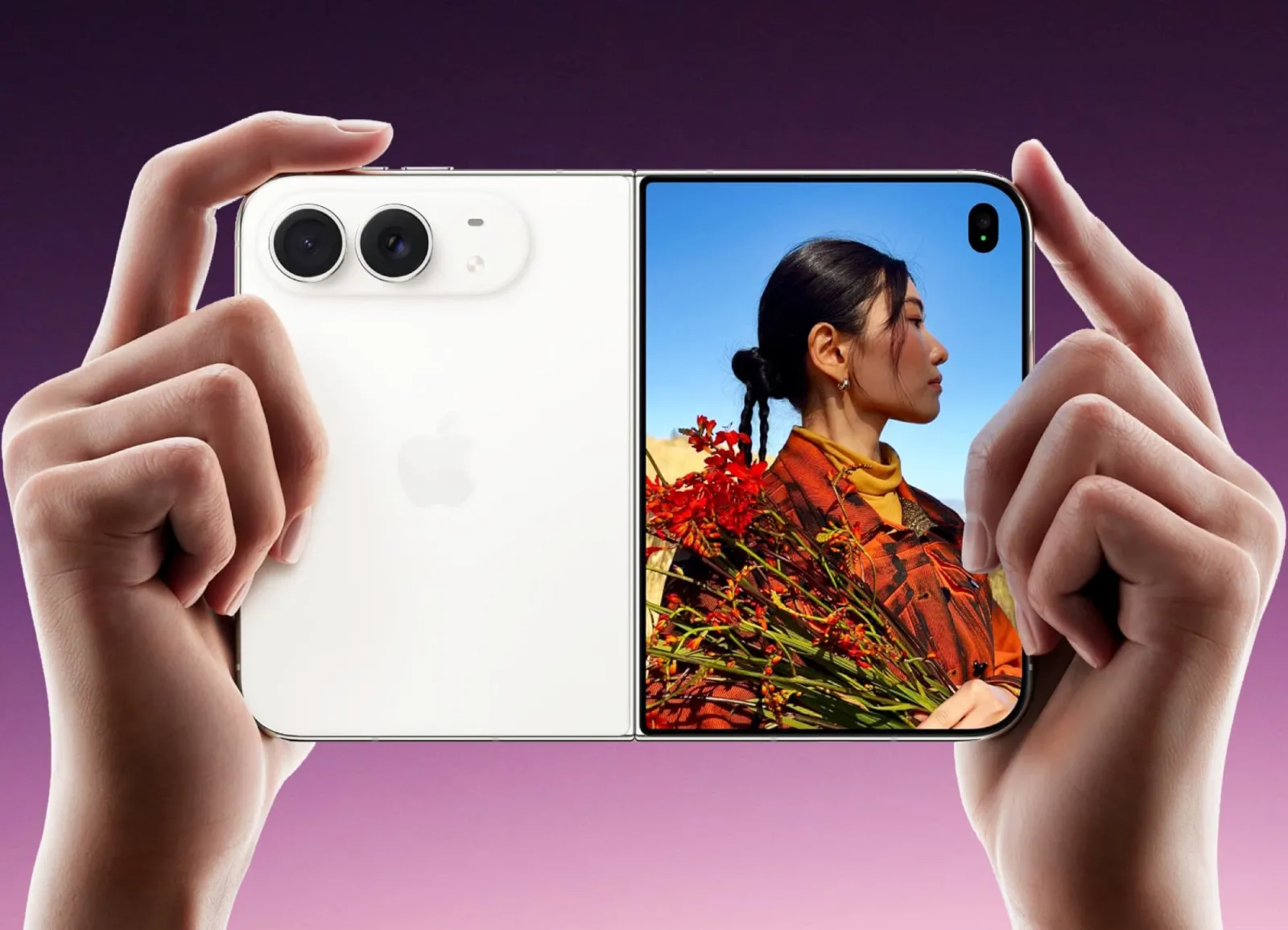
The current first-generation iPhone Duo relies on Touch ID for biometric authentication. However, early reviewers were not particularly impressed with this approach for the foldable form factor. For the successor model, Apple reportedly has two major hardware priorities, which are Face ID and a dedicated Action button.
Biometric security has been a cornerstone of modern smartphone design since the introduction of Touch ID on older phone models and the subsequent rollout of TrueDepth camera systems for facial recognition. Bringing facial scanning to a foldable device presents unique engineering hurdles, especially when engineers must house the necessary sensors within a thinner chassis and outer display configuration.
Hardware Priorities and Space-Saving Strategies for iPhone Duo 2
To overcome internal spatial constraints, Apple could combine the Action button with the Camera Control button on the new foldable. This specific design choice would help save valuable space inside the foldable device. Industry observers note that many users have reported they rarely use the Camera Control button in its current standalone format.
Despite these space-saving strategies, Face ID remains the single biggest priority for the iPhone Duo 2. The corporation has already developed physical prototypes featuring the facial recognition system, as Gurman reported last month. Engineers are still working diligently to integrate the complex technology directly into the outer display panel.
What Happens If Face ID Misses the Cut
The tight development schedule could ultimately prevent Apple from including Face ID in the final commercial version of the hardware. Gurman states that even industry insiders cannot predict with certainty whether the feature will make the final cut for production. If Apple misses the opportunity this time around, the technology could simply arrive later with the subsequent iPhone Duo 3.
Developing consumer electronics at this scale requires years of planning, testing, and component sourcing. When timelines collide with manufacturing realities, even high-priority features can be delayed to ensure structural stability and supply chain reliability. Consumers awaiting facial recognition on foldable hardware may need to exercise patience.
Broader Hardware Improvements Planned for Future Foldables
Apple also has several other hardware improvements planned for its upcoming foldable device lineup. These anticipated upgrades include adding a telephoto camera lens and making the physical devices thinner and lighter than their predecessors. However, those comprehensive changes may take more than one generation to complete fully.
The evolution of foldable technology requires iterative design cycles. Manufacturers must balance user desires for advanced optics and slender profiles with battery life and thermal management. Each generation provides new data points for engineers working behind closed doors at corporate headquarters.
Why Customer Feedback Will Not Alter the iPhone Duo 2
Interestingly, feedback from first-generation iPhone Duo buyers may not influence the design of the next model. Gurman notes that customer suggestions are unlikely to result in immediate hardware changes before the eventual release of the Duo 3.
The original iPhone Duo has only recently started shipping to early adopters. Therefore, the corporation has very little time to collect comprehensive customer feedback and apply those insights to the immediate successor. This means the iPhone Duo 2 will largely follow the original internal development plans laid out months ago. Several features that eager buyers want may simply have to wait, because Apple had already set the strategic direction for its second foldable before even announcing the first model to the public.