Apple iPhone 18 and 18e Rumors Point to Matching Batteries and Screens
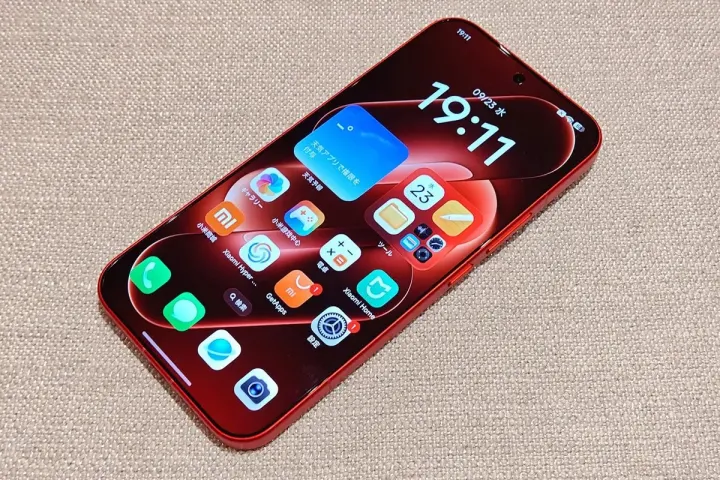
Apple is preparing for a major hardware update with its upcoming device lineup, as new reports detail substantial changes for the standard models. The forthcoming iPhone 18 could receive a significant battery upgrade, according to a recent leak originating from a Chinese source on Weibo. The standard model is reportedly getting a 4,430mAh battery, which marks a major increase from the 3,692mAh capacity found on the iPhone 17.
Alongside the standard variant, the upcoming iPhone 18e, reportedly codenamed Nevera, could receive the exact same 4,430mAh power source. The standard iPhone 18 carries the internal codename Taycan and is expected to enter production later this month. While these capacity upgrades offer more power for daily users, the transition might introduce changes to how consumers connect to cellular networks globally.
Potential Removal of the Physical SIM Card Slot
While the larger battery capacity offers a clear functional benefit, the hardware revision could come with one major change for buyers. Industry leaks indicate that Apple may remove the physical SIM card slot from the device entirely. This shift would push users further toward digital carrier activation through eSIM technology, a trend the technology corporation has steadily advanced in various regional markets over recent product cycles.
The same leak also points to internal structural modifications, including a redesigned Taptic Engine and a bottom-firing speaker setup. These acoustic and haptic adjustments aim to optimize internal space usage, which becomes necessary when engineers pack larger energy storage units into slim smartphone housings. Consumers who rely on physical carrier cards will need to monitor how regional availability handles this potential hardware shift.
Display Specifications and Panel Sizes
Display configurations for the upcoming generation show alignment in physical dimensions between the two lower-tier models. Both the standard variant and its sibling are expected to feature 6.3-inch OLED displays. This specific measurement differs from earlier market reports that suggested a smaller 6.12-inch panel for the iPhone 18e.
Despite sharing identical screen sizes, their underlying display capabilities will remain different to maintain product tiering. The standard iPhone 18 is expected to feature an advanced LTPO OLED panel capable of supporting a smooth 120Hz refresh rate. In comparison, the iPhone 18e will reportedly retain a standard 60Hz refresh rate, preserving a distinction in visual fluidity between the two options.
Processing Power and Manufacturing Process
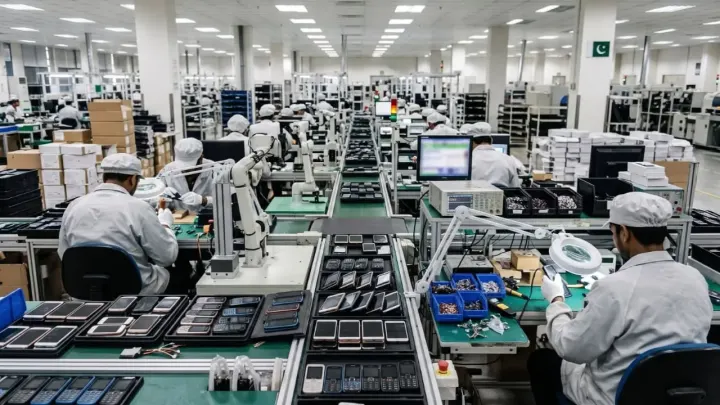
Under the hood, both phones could use binned Apple A20 chipsets to handle demanding computational tasks. These upcoming processors are expected to be built using Taiwan Semiconductor Manufacturing Company, commonly known as TSMC, and its cutting-edge 2nm manufacturing process. This advanced silicon fabrication method generally yields higher transistor density, translating to improved energy efficiency and sustained performance for mobile applications.
Binned processors typically mean that chips failing to meet the absolute highest tier of perfection are instead configured with slightly disabled cores, allowing companies to use them in more accessible product variants. This strategy helps manage manufacturing yields while still delivering high-end processing speeds to the entire device family. Users can expect rapid application loading and capable machine learning performance from both handsets.
Camera Hardware Distinctions
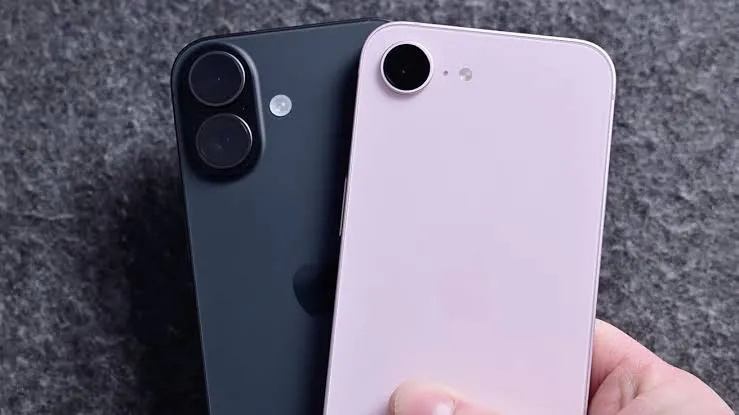
Camera configurations will serve as another key differentiator between the two models in the upcoming catalog. The standard iPhone 18 is expected to retain its traditional dual-camera setup, incorporating both wide and ultrawide sensors for versatile photography. However, its main camera could use a physically smaller 48MP sensor compared to previous generations.
The iPhone 18e, on the other hand, is reportedly getting a single 48MP rear camera to keep production costs lower. This stripped-down optic array caters to buyers who prioritize core performance and battery life over multi-lens versatility. Apple has yet to officially confirm any of these hardware details or camera specifications.
Expected Launch Window and Future Outlook
Consumers waiting for official confirmation will need to exercise patience as development continues behind closed doors. Apple is expected to formally announce the iPhone 18, the iPhone 18e, and the iPhone Air 2 during a dedicated hardware event in spring 2027. Market analysts indicate that the launch window is likely to fall between March and April.
As production cycles approach, supply chain leaks often provide a clearer picture of final specifications. Until official press releases emerge from corporate headquarters, these details remain subject to modification. Buyers considering an upgrade should watch for official announcements as the anticipated spring release window draws closer.