When Will Apple Pay Arrive in Pakistan?
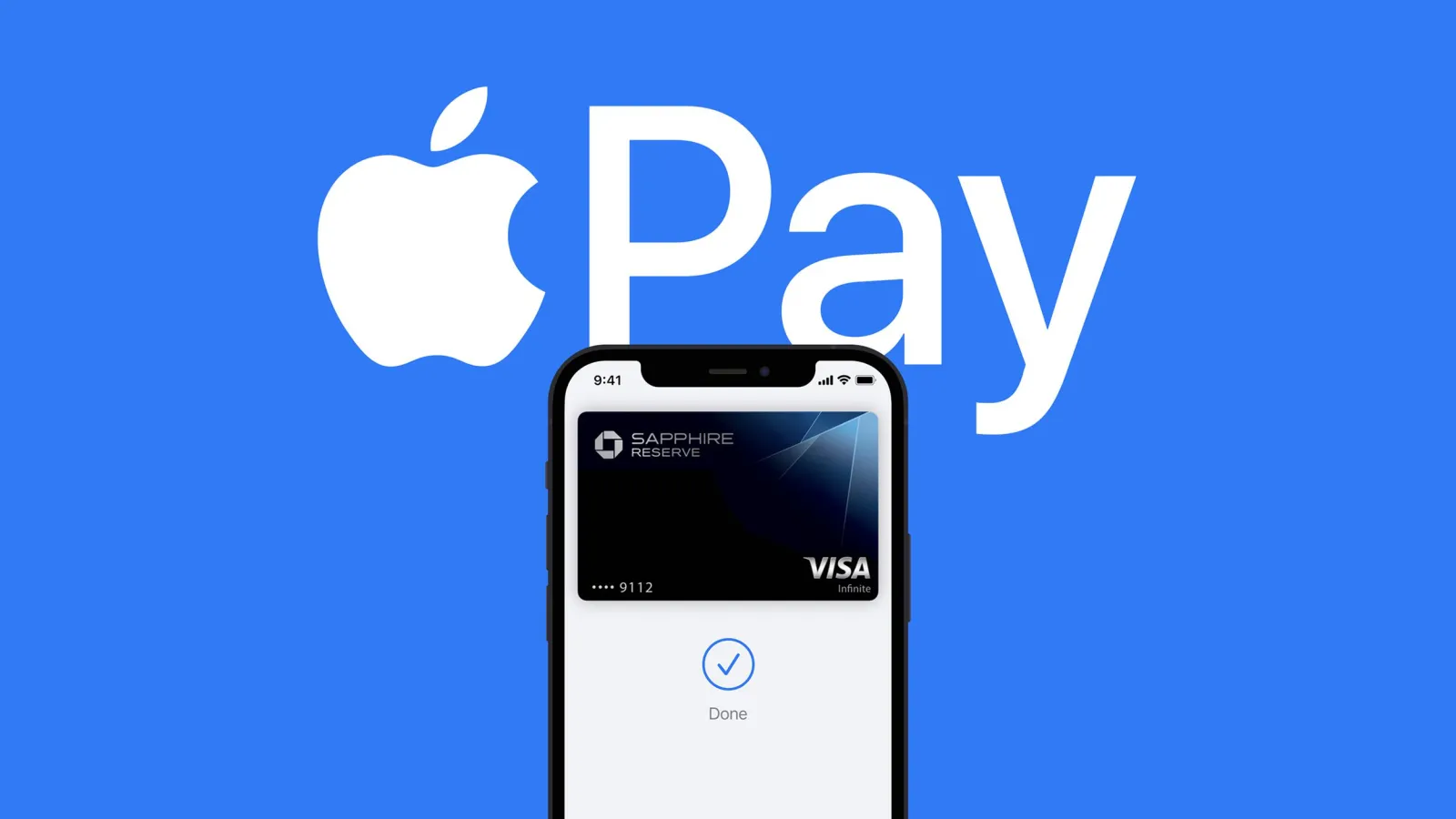
Apple Pay could arrive in Pakistan as early as late December, with initial beta testing reportedly approaching. The development suggests that Apple is moving closer to introducing its payment service in the country. If the timeline holds true, local consumers will soon gain access to one of the most widely used digital wallet platforms in the world.
Industry watchers have monitored the gradual shift toward mobile transactions across the region for several years. Digital payments have expanded rapidly as banks upgrade their technical capabilities and consumers embrace smartphone applications for daily purchases. The introduction of this service represents a significant milestone for the local financial technology sector.
Why Overseas Payment Cards Are Restricted
According to information shared on Reddit, Apple has restricted the use of several overseas payment cards linked to Pakistan. These restrictions have reportedly remained in place for the past 4 to 5 months. As a result, users can no longer add cards from services such as RedotPay, Kast, and Fasset.
Such restrictions often precede the official regional rollout of proprietary financial services. Technology corporations frequently adjust their regional compliance rules and server routing before activating local currency support. Users who previously relied on alternative overseas digital cards must now wait for domestic banking integration.
Which Banks and Cards Will Support Apple Pay?
Initial testing with local bank cards suggests that Apple Pay may support premium cards first. These could include Visa Signature, Visa Platinum, Mastercard, and selected international debit and credit cards. However, American Express, UnionPay, and PayPak cards may not be supported at launch.
Several Pakistani banks could introduce the service during its initial rollout. These reportedly include Meezan Bank, Standard Chartered, HBL, Bank Alfalah, Faysal Bank, and Askari Bank. Each of these financial institutions maintains a large customer base and extensive branch networks across major urban centers.
Banking Infrastructure and Technical Updates
Meezan Bank has already integrated newer payment gateway frameworks. These changes could help make transactions faster and more reliable. However, the banks have yet to announce official support for Apple Pay.
Upgrading payment gateways requires extensive backend coordination between commercial banks and international card networks. Financial institutions invest heavily in secure server infrastructure to handle tokenized transactions safely. These technical preparations ensure that user financial data remains encrypted during every purchase.
Integration with Boarding Passes and Loyalty Programs
The service could also support airline boarding passes and local rewards programs. Testing reportedly showed that loyalty services from CBTL, Tim Hortons, and Coffemistry work with Apple Pay and Google Wallet.
Digital wallet ecosystems rely heavily on utility features beyond simple monetary transactions. Allowing users to store loyalty cards and travel documents on their smartphones streamlines daily routines. Merchants who adopt these digital passes often see higher customer engagement through mobile marketing channels.
Availability of Apple Cash and Potential Fees
Meanwhile, Apple Cash is unlikely to arrive in Pakistan anytime soon. The information suggests that the service could remain unavailable for at least another two years. There is also speculation about a possible annual fee for using Apple Pay. This could come alongside existing bank charges and other service fees. However, no official pricing details have been confirmed.
Peer to peer money transfer systems face complex regulatory hurdles in many emerging markets. Central banks usually maintain strict oversight over digital currency flows and settlement mechanisms. Consequently, payment platforms often roll out basic retail purchase features long before enabling peer to peer transfers.
Contactless Payment Infrastructure in Pakistan
Pakistan already has much of the infrastructure needed to support Apple Pay transactions. If the reported timeline proves accurate, users could soon have another option for contactless payments.
Point of sale terminals capable of handling near field communication technology already exist in numerous retail outlets. Supermarkets, restaurants, and fuel stations across major cities routinely accept tap to pay cards. This existing hardware deployment will make merchant adoption much smoother once the software goes live.