Apple Releases tvOS 27.2.1 With Siri AI Support for Older Apple TV 4K Models
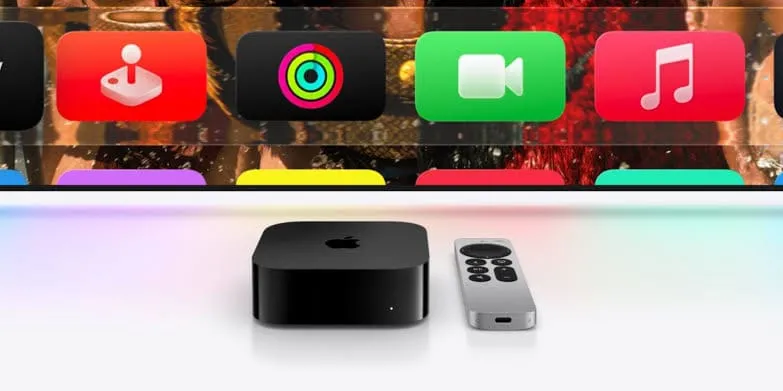
Apple has released tvOS 27.2.1, bringing its upgraded Siri AI features to older Apple TV 4K models. The update arrives nearly three weeks after the company rolled out tvOS 27.2. The latest release adds Siri AI support for the 2nd- and 3rd-generation Apple TV 4K models. However, it is available for all Apple TV 4K devices compatible with tvOS 27.
Apple first announced the upgraded Siri AI experience for Apple TV alongside its 4th-generation Apple TV 4K. While a separate tvOS 27.2 build enabled the feature on the newest model, older devices required the latest update. This rollout sequence ensures that users who purchased previous iterations of the hardware can now access the same software capabilities as those with the newest box on their entertainment centers.
What Features Does Siri AI Bring to Apple TV?
Siri AI offers a smarter version of Apple's voice assistant, with improved responses and more useful features. Users can ask Siri to play content, get recommendations based on personal context, and answer general knowledge questions. It can also complete tasks through voice commands.
The integration of advanced machine learning models allows the assistant to understand natural language much better than previous iterations. Instead of rigid commands, viewers can use conversational phrases to find movies, television shows, or specific genres across various installed streaming applications. The contextual awareness means the system can factor in viewing habits and preferences stored securely within the user ecosystem.
Requirements for Using Siri AI on Apple TV
However, using Siri AI on Apple TV requires a paired iPhone or other iOS device compatible with Apple Intelligence. Supported devices include the iPhone 15 Pro and newer models. This hardware linkage is necessary because the heavy computational processing for advanced AI tasks relies on the powerful neural engine inside modern smartphones.
Households must ensure that their companion iPhone is updated to the correct software version and linked to the same iCloud account as the streaming box. Without a compatible secondary device within the local ecosystem, the advanced features on the television interface remain dormant, though standard voice commands continue to function normally.
How to Install tvOS 27.2.1 on Compatible Hardware
Apple TV users can install tvOS 27.2.1 by opening Settings > System > Software Update. The update can then be downloaded and installed directly on the device. Depending on internet connection speeds, the download process takes only a few minutes before prompting a system restart.
Users who prefer not to manage updates manually can enable automatic updates within the system configuration menu. Once turned on, the box checks for new firmware during overnight hours and installs them when the unit is in standby mode, ensuring minimal disruption to daily viewing habits.
Alongside Updates for HomePod Software
Alongside the Apple TV update, Apple has also released HomePod Software 27.2.1. The latest software is available for both HomePod and HomePod mini. This concurrent release highlights the company effort to keep the software ecosystem across smart home audio and video products synchronized.
Smart speaker owners can apply the update through the Home application on their connected iPhone or iPad. The software package improves stability, fixes minor bugs, and ensures seamless communication between Siri-enabled audio gear and the updated television interface.
Understanding the Evolution of Apple TV 4K Hardware
The Apple TV 4K product line has evolved significantly since the introduction of the first-generation model. Each subsequent iteration brought faster processing chips, higher frame rates for video playback, and better remote control designs. The 2nd-generation and 3rd-generation models feature powerful internal components that laid the groundwork for modern software features like advanced machine learning integration.
By extending modern software capabilities to older hardware generations, the company extends the functional lifespan of devices living in consumer living rooms. Owners of the 2nd- and 3rd-generation hardware avoid the immediate financial need to purchase new equipment just to access updated assistant capabilities.
The Broader Impact on Home Entertainment Systems
Voice-activated navigation has transformed how people interact with living room entertainment systems. Traditional clicking through grid menus with a physical remote control is increasingly supplemented by spoken requests for specific media titles. The inclusion of advanced contextual understanding reduces friction in finding entertainment across fragmented streaming services.
Households benefit from unified search results that pull data from multiple content providers without requiring users to open individual applications first. This capability positions the hardware hub as a central command point for digital living spaces, integrating media consumption with smart home accessory control.
Technical Requirements and Ecosystem Integration
The deep integration between mobile phones and television hardware demonstrates the cohesive nature of the hardware manufacturer ecosystem. While some consumers might view the requirement for a modern iPhone as a restriction, it reflects the division of processing power required for advanced machine learning features. Local privacy protections also rely on secure hardware enclaves found inside the latest mobile chips.
Users should verify their device compatibility before attempting to use the new assistant features. Ensuring that both the television operating system and the companion phone software are fully up to date prevents unexpected errors during daily operation.