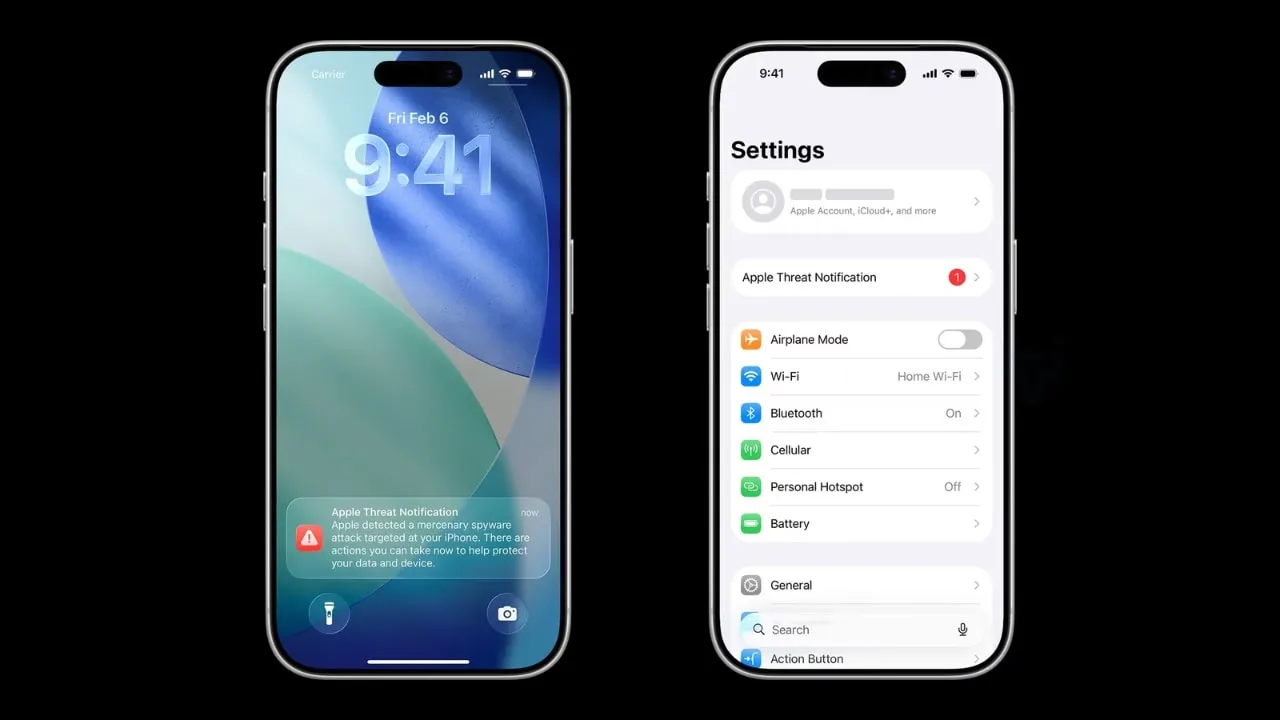
Apple Spyware Alerts Target German Lawmakers and Global Users
Apple has warned German lawmakers that their iPhones were targeted by spyware, with several Bundestag members receiving the alerts since October 29. Germany's cybersecurity agency responded with an unusually direct instruction, telling affected lawmakers to assume their devices may already be compromised. This latest security notification is part of a massive global wave affecting users in numerous nations, highlighting the persistent threat posed by commercial surveillance tools to high-profile political figures and public servants.
The Federal Office for Information Security, or BSI, published the guidance publicly to address the sudden spike in warnings. It described the threat as commercially built mercenary spyware, noting that state actors have frequently used such tools against specific individuals. However, the BSI stated that it cannot confirm whether attackers actually broke into the targeted devices, leaving officials to operate under a worst-case security assumption.
How the Global Spyware Campaign Reached 99 Countries
The security alerts reached far beyond Germany alone this time, marking a significant escalation in digital threats. According to threat researcher Costin Raiu, Apple sent warnings to users across 99 countries in this latest operational cycle. He confirmed this wave was separate from Apple's earlier August notifications, establishing that it was tied to entirely new attack activity rather than lingering old threats.
Apple has sent these security warnings several times a year since 2021 as part of its ongoing efforts to protect vulnerable accounts. The Cupertino technology company calls them high-confidence notifications of targeted attacks, relying on internal telemetry and threat intelligence to identify suspicious patterns. However, the corporation deliberately does not name the attackers involved, nor does it specify which countries face the highest risk, citing operational security and the risk of helping malicious actors adapt.
Impact on Journalists and International Media Figures
Politicians are not the only targets of these sophisticated campaigns, as members of the press frequently find themselves in the crosshairs of state-backed or commercial espionage tools. Two journalists publicly confirmed receiving the latest alerts from Apple, bringing personal visibility to the silent digital threat. Turkey bureau chief for Middle East Eye, Ragıp Soylu, posted his warning online, calling it his third such notification this year alone. Lebanese investigative journalist Radwan Mortada also received a warning separately, adding to the growing body of evidence concerning attacks on reporters.
Mortada's alert arrived just days after he released a documentary about attacks in Lebanon. He stated that he had no concrete evidence linking the two events directly. However, he noted that the timing raised serious questions about targeting journalists who investigate sensitive regional conflicts and security matters.
Understanding Commercial Mercenary Spyware and Its Capabilities
Commercial spyware refers to sophisticated digital surveillance software developed by private firms and sold primarily to government agencies and law enforcement bodies. Once installed on a target device, this malicious software operates with near-total invisibility and grants operators extensive control. The spyware can read encrypted messages, access personal photographs, and track real-time locations without the user ever knowing. It can also activate the camera and microphone silently, turning a personal smartphone into an effective surveillance device.
The proliferation of these tools has created a booming global market where private companies engineer exploits for mobile operating systems. Because these tools bypass standard security measures, technology platforms like Apple rely on post-compromise telemetry to detect unusual behavior. When high-confidence indicators appear, the system triggers notifications to alert the owner that state-sponsored or mercenary groups may have tried to compromise their hardware.
BSI Security Guidance and Practical Takeaways for Affected Users
The BSI issued specific advice for anyone who received the recent Apple warnings, outlining immediate steps to mitigate potential risks. It recommended updating iPhone software immediately as a first line of defense against known vulnerabilities. Additionally, the agency urged users to enable Apple's Lockdown Mode across all devices, a specialized setting that hardens system defenses against advanced attacks. However, the BSI stressed that Lockdown Mode does not remove existing infections if a breach already occurred.
For high-risk individuals facing severe threats, the agency suggested more drastic measures, including obtaining an entirely new phone. It also recommended resetting every online account, changing passwords, and swapping phone numbers to break any lingering surveillance loops. These technical hurdles make persistent monitoring much more difficult for attackers who rely on continuous data feeds from compromised devices.
The Irony of Germany's Position on Commercial Surveillance Tools
The situation carries particular irony for Germany specifically, given the nation's domestic policy history regarding surveillance technology. The country's own federal police purchased a version of NSO Group's Pegasus spyware back in 2021 for investigative purposes. This dual reality, where state authorities use similar digital intrusion tools while simultaneously warning citizens about mercenary spyware attacks, illustrates the complex regulatory and ethical debates surrounding the global cyber arms industry.
As governments grapple with how to regulate the trade of offensive cyber tools, incidents involving lawmakers and journalists receiving compromise alerts continue to drive public scrutiny. Lawmakers across Europe and other regions face increasing pressure to restrict the export and domestic deployment of invasive surveillance software. Meanwhile, mobile device manufacturers continue refining their detection mechanisms to counter evolving attack vectors in an ongoing digital arms race.