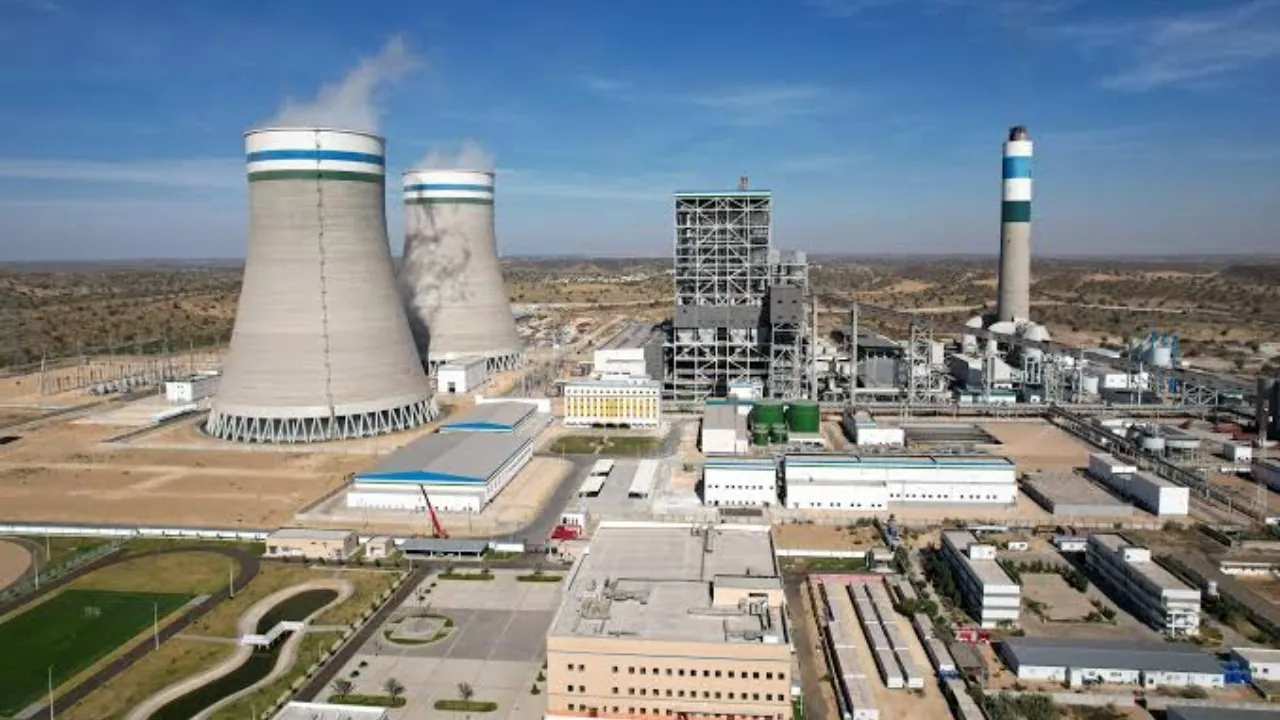
Pakistan Launches First Biomass Energy Plant in Sajawal Sindh
Pakistan has officially inaugurated its first biomass energy demonstration plant, marking a major milestone in the country's transition toward sustainable energy sources. Located in Sajawal, Sindh, the facility aims to support rural livelihoods, reduce greenhouse gas emissions, and ease pressure on forest resources. The project represents a coordinated effort between international organizations and domestic environmental agencies to address long-standing energy and conservation challenges.
Positioned specifically within the Pinnah Reserved Forest, the new plant was established under the Global Environment Facility-funded Promotion and Application of Sustainable Biomass Energy Technologies in Pakistan project. This broader initiative, widely known as PASBET, is implemented by the United Nations Development Programme in active partnership with the Ministry of Climate Change and Environmental Coordination. The inauguration event brought together key representatives from both the United Nations Development Programme and the Sindh government to mark the beginning of operations at the site.
Understanding the PASBET Project and Funding
The Promotion and Application of Sustainable Biomass Energy Technologies in Pakistan project operates as a five-year program backed by a financial commitment of $3.5 million. Its primary objective is to promote sustainable biomass energy technologies that can effectively support rural livelihoods, reduce greenhouse gas emissions, and ease pressure on forest resources. While the first plant is now operational in Sindh, the initiative spans a much broader geographic footprint.
According to project outlines, the overarching strategy targets implementation across Sindh, Punjab, Balochistan, and KP. The Sajawal facility serves as the first of four demonstration sites planned under the initiative. These four sites are specifically designed to showcase scalable woody biomass-based energy technologies that can be replicated in other regions facing similar ecological and energy pressures.
Background on Biomass Energy and Forest Conservation in Pakistan
For decades, rural communities in regions like Sindh have relied heavily on traditional biomass, such as firewood collected directly from local forests, to meet daily cooking and heating needs. This heavy reliance has placed severe pressure on indigenous tree populations, leading to localized deforestation and degradation of vital ecological buffers. Forest resources play a critical role in sequestering carbon and maintaining biodiversity, making their preservation a high priority for national environmental strategies.
The concept of biomass energy involves converting organic materials, such as agricultural residues and sustainably managed wood waste, into cleaner burning fuels or efficient energy systems. By introducing advanced conversion technologies, rural populations can access reliable energy without depleting standing forests. The Pinnah Reserved Forest site serves as a practical testing ground for this balance, demonstrating that local energy demands can be met through managed waste rather than unchecked tree felling.
How the Sajawal Biomass Facility Operates
The newly operational facility in the Pinnah Reserved Forest integrates several components designed to maximize environmental and economic benefits. Rather than simply burning raw wood, the project uses forest and agricultural residues to create value-added products. These operations include pellet production, community nurseries, and the distribution of efficient cook-stoves.
Pellet production transforms loose organic waste into dense, uniform fuel units that burn cleaner and more efficiently than traditional firewood. Community nurseries support sustainable forest management by propagating native plant species, thereby enhancing indigenous plantations rather than depleting them. Efficient cook-stoves ensure that households use the newly generated fuel with maximum thermal efficiency, reducing overall consumption.
Official Statements and Stakeholder Perspectives
The inauguration drew commentary from key figures involved in the planning and execution of the environmental initiative. Emphasizing the dual goals of energy security and forest preservation, leadership pointed out the viability of local solutions. Pakistan does not have to choose between meeting rural energy needs and protecting its forests. This plant shows how locally available residues can be turned into cleaner fuel, local opportunity and a more sustainable energy model.
The importance of broad collaboration was also highlighted by international representatives during the launch phase. The task now is to make that model work at scale, with communities, government and markets moving together, said United Nations Development Programme Resident Representative, Dr Samuel Rizk. The integration of community stakeholders with market mechanisms is viewed as essential for the long-term viability of the project beyond its initial five-year funding cycle.
Broad Impact on Rural Livelihoods and the Environment
The deployment of sustainable biomass technologies carries direct implications for rural populations across the designated provinces. By creating formal channels for gathering and processing agricultural and forest residues, the project generates new employment opportunities at the community level. Pellet manufacturing and nursery management require local labor, providing an economic incentive for residents to participate in conservation efforts.
From an environmental perspective, the reduction of greenhouse gas emissions is a central performance indicator for the Global Environment Facility-funded program. Traditional burning methods often release high levels of particulate matter and carbon dioxide inefficiently. Shifting toward pelletized fuels and advanced cook-stoves significantly lowers the carbon footprint of rural households while improving indoor air quality for families.
Future Outlook for the Remaining Demonstration Sites
Following the successful launch of the Sajawal plant, attention turns toward the establishment of the remaining three demonstration sites planned under the framework. Each site will test specific adaptations of woody biomass-based energy technologies suited to the local climatic and agricultural conditions of the target provinces. Monitoring the performance of the Pinnah Reserved Forest facility will provide valuable operational data for these upcoming installations.
As the five-year program progresses, stakeholders will evaluate the scalability of the model to determine whether private market actors can independently sustain the supply chains for biomass pellets and efficient stoves. Continued cooperation between the Ministry of Climate Change and Environmental Coordination, provincial authorities, and international development agencies will remain critical as the initiative expands its geographic reach across Pakistan.