Apple Targets Four Key Upgrades for Its Upcoming iPhone Duo
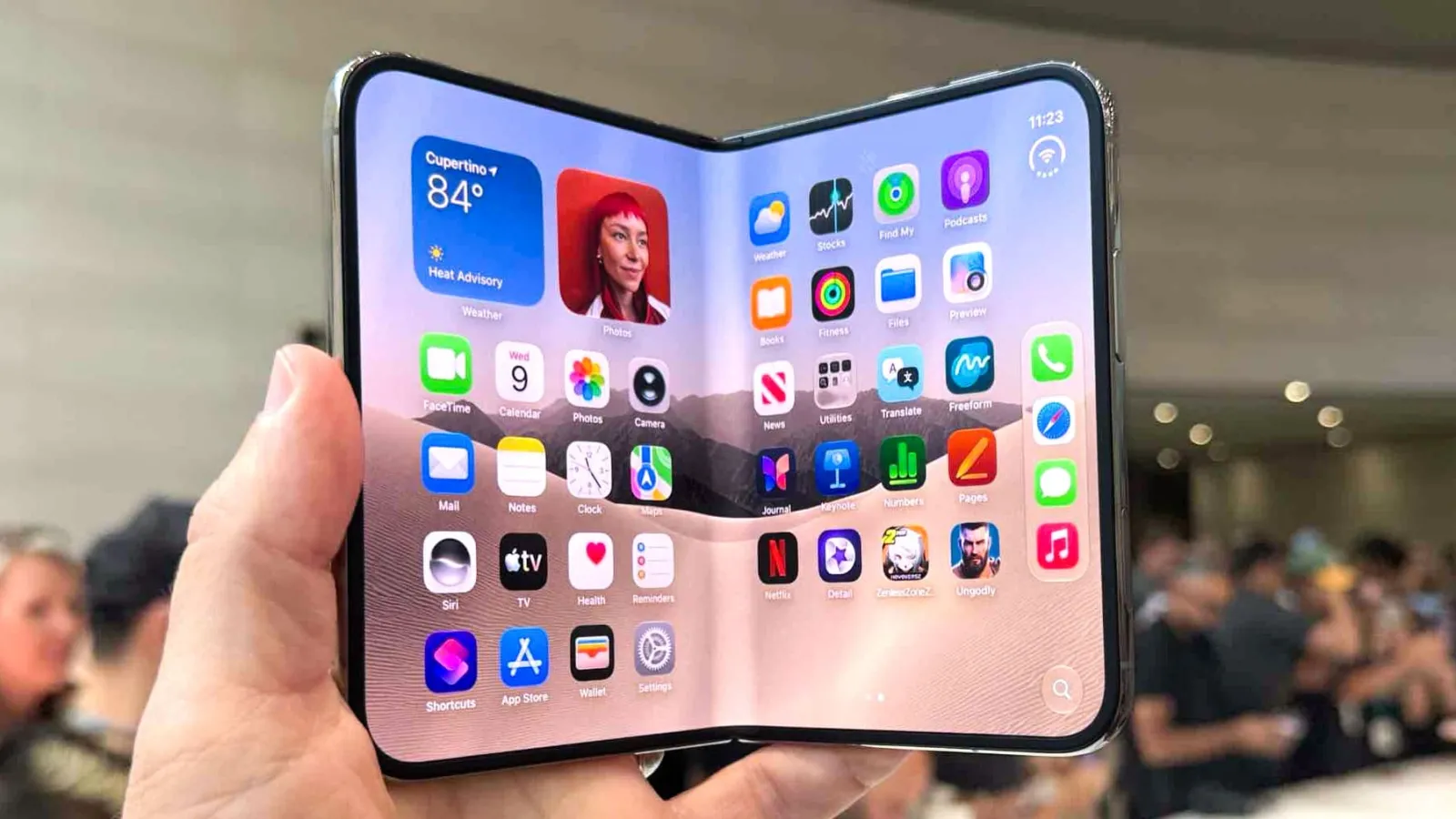
Apple is working on several upgrades for its upcoming iPhone Duo lineup, including Face ID, an action button, and a telephoto camera. The company also wants to make future models thinner and lighter, as part of a broader strategy to refine its mobile hardware offerings.
According to Bloomberg's Mark Gurman, these are the four main features Apple wants to bring to future iPhone Duo models. However, some upgrades may take longer to arrive than expected due to ongoing hardware challenges and manufacturing constraints.
Understanding the iPhone Duo Lineup and Prototype Development
The development of foldable and dual-screen mobile devices represents a significant shift in the consumer electronics sector. Technology companies invest heavily in research to solve durability and thickness issues common in early folding iterations.
Apple has already developed iPhone Duo 2 prototypes featuring Face ID on the outer display. However, the company is reportedly running out of time to finalize the feature for the second-generation model.
Integrating advanced biometric sensors into thinner chassis configurations requires meticulous engineering. Engineers must balance battery capacity, structural integrity, and component placement within a very limited internal volume.
Potential Delays for Face ID and Biometric Integration
As a result of these manufacturing hurdles, Face ID could be delayed until the iPhone Duo 3. This means the iPhone Duo 2 might launch without one of Apple's most anticipated upgrades, leaving users to rely on alternative authentication methods for the initial release.
Biometric security features like Face ID require specialized infrared dot projectors and camera sensors. Fitting these components near an outer folding display without compromising the screen quality remains a primary engineering obstacle for the product team.
Hardware Decisions and Future Foldable Device Iterations
The report suggests Apple is still working to improve the design and functionality of its foldable iPhone lineup. However, the final hardware decisions could determine which features make it into each generation.
Consumer expectations for premium mobile devices continue to rise, demanding higher camera performance and physical durability. The inclusion of a telephoto camera and a dedicated action button points toward a feature set that matches standard flagship slabs.
What Next Steps Face Apple in Mobile Innovation
As development continues, supply chain partners and analysts will watch for finalized production schedules. The timeline for the iPhone Duo series depends on component yields and software optimization.
Market observers note that hardware timelines can shift rapidly based on prototype testing outcomes. Apple maintains strict quality thresholds before committing any device design to mass production facilities.