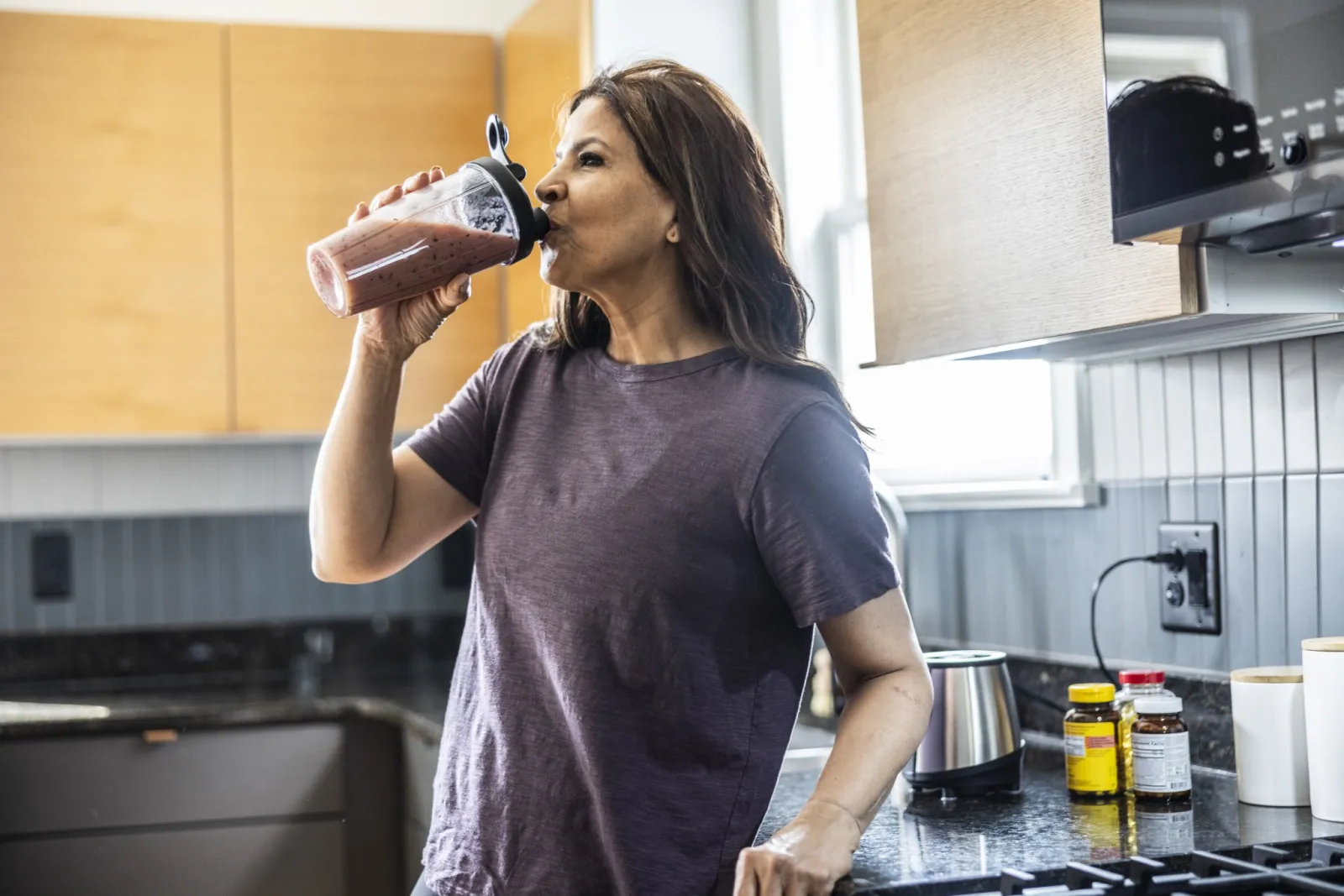
High-protein labels now appear on everything from biscuits to milk, yet the extra cost and calories may not be justified. Clinical nutrition specialist Laura Perez and health-industry leader Steve Bennett explain who truly needs more protein and which products are simply marketing tricks.
What the RDA Says About Protein Intake
Protein supplies the body with amino acids that build muscle, skin, bone and support hormones, enzymes and antibodies. The recommended dietary allowance (RDA) is 0.75 g per kilogram of body weight each day. For a person weighing 70 kg (11 st) this equals about 53 g of protein. Two large eggs provide roughly 12-13 g, a drained tin of tuna 25 g, a 100 g chicken breast 30 g and half a tin of baked beans 10 g. Dairy, beans, pulses, oats, bread, nuts and seeds also contribute to daily intake.
Laura Perez, Clinical Nutrition Lead at Simple Online Pharmacy, says, "For most healthy adults, a varied diet with a sensible portion of protein at each meal does the job." The advice aligns with UK dietary guidelines that stress balance over single-nutrient focus.
Understanding the 'High-Protein' Claim
UK food-labelling regulations require that a product labelled 'high protein' must obtain at least 20 % of its energy from protein. This threshold does not guarantee low sugar, salt or saturated fat, meaning the claim alone does not equal a healthier product.
Steve Bennett, chief executive of the Preventive Health Collaboration, notes, "A protein brownie is still a brownie." Consumers should therefore compare the high-protein version with its regular counterpart, looking at protein per portion alongside fibre, sugar, salt, saturated fat and price.
When More Protein Doesn't Mean More Muscle
Extra dietary protein alone does not create a muscular physique. Laura Perez adds, "For protein to be 'stored as muscle', you also have to be doing the right physical exercise to build it." Strength-training at least twice a week, combined with a balanced diet, is essential for muscle growth.
Steve Bennett warns, "You can gain weight like with any other food" regardless of protein content. Over-consumption can lead to constipation, bloating and dehydration, especially if fibre-rich foods are neglected. Those with kidney disease should seek professional advice before increasing protein intake.
Who Actually Needs More Protein?
Older adults experience age-related muscle loss (sarcopenia) and may benefit from higher protein to preserve strength. Vegetarians and vegans should ensure a variety of beans, lentils, tofu, wholegrains, nuts and seeds to meet needs. People on weight-loss medication may also require extra protein to protect muscle while calories are reduced.
Laura Perez explains, "Protein matters for them to get enough and to protect muscle, not to feel full." The key is meeting needs without excess.
Cost-Effective Ways to Meet Protein Needs
For budget-conscious shoppers, Laura suggests a simple visual guide: each plate should contain roughly a quarter protein, roughly the size of the palm. Affordable staples include eggs, tinned fish, beans, lentils and dairy foods.
Steve Bennett adds, "Save your money. You don't need a protein bar, you need a proper meal." Comparing price per gram of protein often shows that whole foods are cheaper than fortified snacks.
Side-by-Side Comparison of Popular High-Protein Snacks
Sausages
Standard Tesco sausage: 98 kcal, 8.8 g protein, 5.5 g fat. High-protein version: 96 kcal, 8.5 g protein, 5.4 g fat. Verdict: The regular sausage is cheaper, has slightly fewer calories and fat, with only a 0.3 g protein difference.
Cheese
Regular Babybel: 48 kcal, 5.2 g protein, 3.1 g fat. Light version: 42 kcal, 5 g protein, 2.4 g fat. Verdict: Only 0.2 g less protein, and the light cheese costs less.
Milk
High-protein 200 ml serving: 128 kcal, 14 g protein, 3.4 g fat. Regular 100 ml: 94 kcal, 7 g protein, 3.2 g fat. Verdict: Doubling protein for modest extra calories is notable, but the price premium does not guarantee weight-loss benefits.
Crisps
Protein crisps bag: 100 kcal, 11 g protein, 3.1 g fat. Regular crisps bag: 100 kcal, 1.3 g protein, 3.2 g fat. Verdict: Protein crisps deliver far more protein with no extra calories, yet they are priced higher.
Cereal
High-protein 50 g serving: 221 kcal, 7.9 g protein, 6.8 g fat. Regular 50 g: 216 kcal, 5.3 g protein, 6.5 g fat. Verdict: Paying almost four times more for just 2.5 g extra protein is not cost-effective.
Yoghurt
Protein yoghurt 100 g: 94 kcal, 11 g protein, 1.9 g fat. Regular yoghurt 100 g: 54 kcal, 5.4 g protein, Verdict: Double the protein comes with double the calories and triple the fat.
Bagels
High-protein bagel: 202 kcal, 10.5 g protein, 5 g fat. Light bagel: 158 kcal, 5.6 g protein, 1.3 g fat. Verdict: For weight-loss goals, the light bagel is cheaper and contains fewer calories and fat.
Soup
High-protein Bol soup 200 g: 100 kcal, 7.4 g protein, 2.4 g fat. Regular version 200 g: 87 kcal, 4 g protein, 0.6 g fat. Verdict: More protein but also higher calories, fat and price.
Pasta
High-protein M&S Fusilli 100 g: 340 kcal, 22 g protein, 1.9 g fat. Regular Tesco Fusilli 100 g: 158 kcal, 5.8 g protein, 0.4 g fat. Verdict: The regular pasta is far less calorific while still providing enough protein for most diets.
Practical Takeaways for Shoppers
1. Check the nutrition panel: compare protein, sugar, salt, saturated fat and price per gram of protein.
2. Prioritise whole foods such as eggs, fish, beans and dairy, which often deliver more protein for less money.
3. Remember that protein needs are individual - most adults meet the RDA through a balanced diet.
4. If you are older, vegetarian, vegan or on weight-loss medication, consider a modest increase but avoid over-reliance on fortified snacks.
5. Use the palm-size visual guide to portion protein at each meal.
By applying these steps, consumers can avoid paying a premium for marginal protein gains while keeping calories, fat and sugar in check.