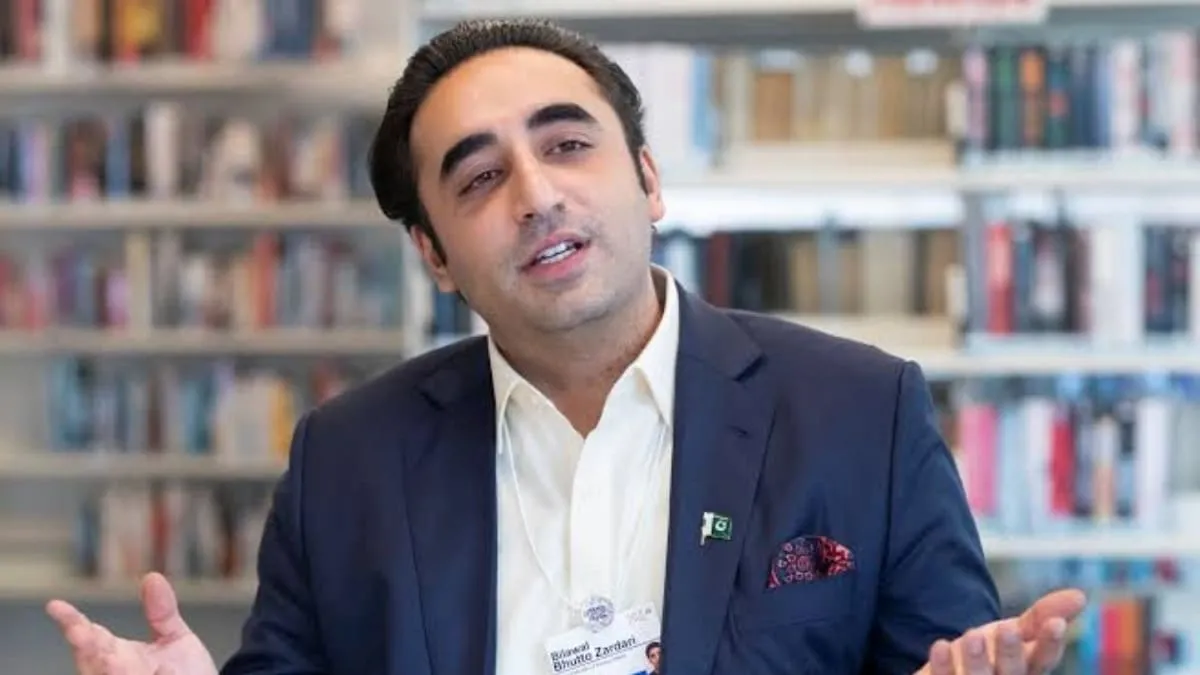
Faryal Talpur Predicts Bilawal Bhutto Zardari as Prime Minister
Pakistan People's Party leader Faryal Talpur has stated that she sees party Chairman Bilawal Bhutto Zardari becoming Pakistan's next prime minister. Speaking in Lahore, Talpur shared her perspective on the future leadership of the country and the political trajectory of her party.
Her remarks come as political groups across Pakistan begin assessing their strategies for future electoral contests and leadership positioning. The Pakistan People's Party continues to evaluate its standing on the national stage while planning its expansion in key regional territories.
Rebuilding Political Ground in Punjab Province
During her address in Lahore, Talpur emphasized that the Pakistan People's Party must regain the political ground it has lost in the Punjab province. Punjab remains the most populous province in Pakistan and a crucial battleground for any national political party seeking to form a government.
She maintained that Punjab still offers room for the party to grow and that citizens continue to support its political platform. Historically, the province has been dominated by rival political entities, making strategic inroads a persistent challenge for the leadership based in Sindh.
To capture this potential, party organizers must address historical setbacks and reconnect with local communities at the grassroots level. Rebuilding voter trust requires consistent engagement and addressing regional grievances directly through party manifestos and public campaigns.
Strengthening Organizational Structure and Party Workers
Talpur stressed that political parties cannot rely on prominent personalities and heroes alone to secure electoral victories. Instead, she called for a stronger organizational structure and greater emphasis on the efforts of party workers.
Relying solely on high-profile figures often leaves regional offices weak and disconnected from everyday voters. By investing in dedicated workers, the party can build a more resilient foundation that withstands shifting political tides and regional opposition.
A robust internal hierarchy ensures that party policies are communicated effectively and that local grievances are channeled properly into the national leadership's agenda. This approach shifts power closer to the members who do the daily groundwork in neighborhoods and rural districts.
Engaging Youth and Promoting Volunteer Systems
In addition to structural reforms, Talpur highlighted the need to bring young people into the political process. Engaging the younger demographic is essential for long-term political survival and relevance in a country with a very young median age.
She also promoted the establishment of a volunteer system to strengthen the party from within. Volunteers can drive local campaigns, manage outreach efforts, and energize communities without requiring massive financial investments for every local initiative.
Integrating youth and volunteers creates a dynamic culture that appeals to first-time voters and citizens disillusioned with traditional political machinery. This strategy aims to modernize the party image and broaden its appeal across different social strata.
Electoral Preparations and Local Government Focus
Turning to electoral preparations, Talpur stated she was not discussing seat numbers at this stage. Speculating on exact counts too early can distract from the necessary groundwork required to build a winning coalition.
Nevertheless, she urged the party to prepare for upcoming local government elections. Local bodies serve as the training ground for future leaders and provide essential services that directly affect daily life in cities and villages.
Winning at the municipal level demonstrates administrative competence and builds confidence among voters ahead of national polls. Strong local roots are frequently cited by analysts as the prerequisite for success in provincial and national assemblies.
Addressing the Arrests of Women in Politics
During her discussions, Talpur also addressed the arrests of women, stating firmly that they should not be in prison. The incarceration of female family members or political associates has been a contentious issue in national politics.
Talpur argued that men should be held accountable for their own actions and that women should not be drawn into those matters. This commentary touches on broader themes of legal fairness, political retaliation, and the protection of non-combatant family members from state actions.
Her public stance brings attention to the legal and ethical boundaries of political accountability, calling for a separation between individual politicians and their domestic circles during legal proceedings.





