Understanding the Reko Diq Project Cost Increase
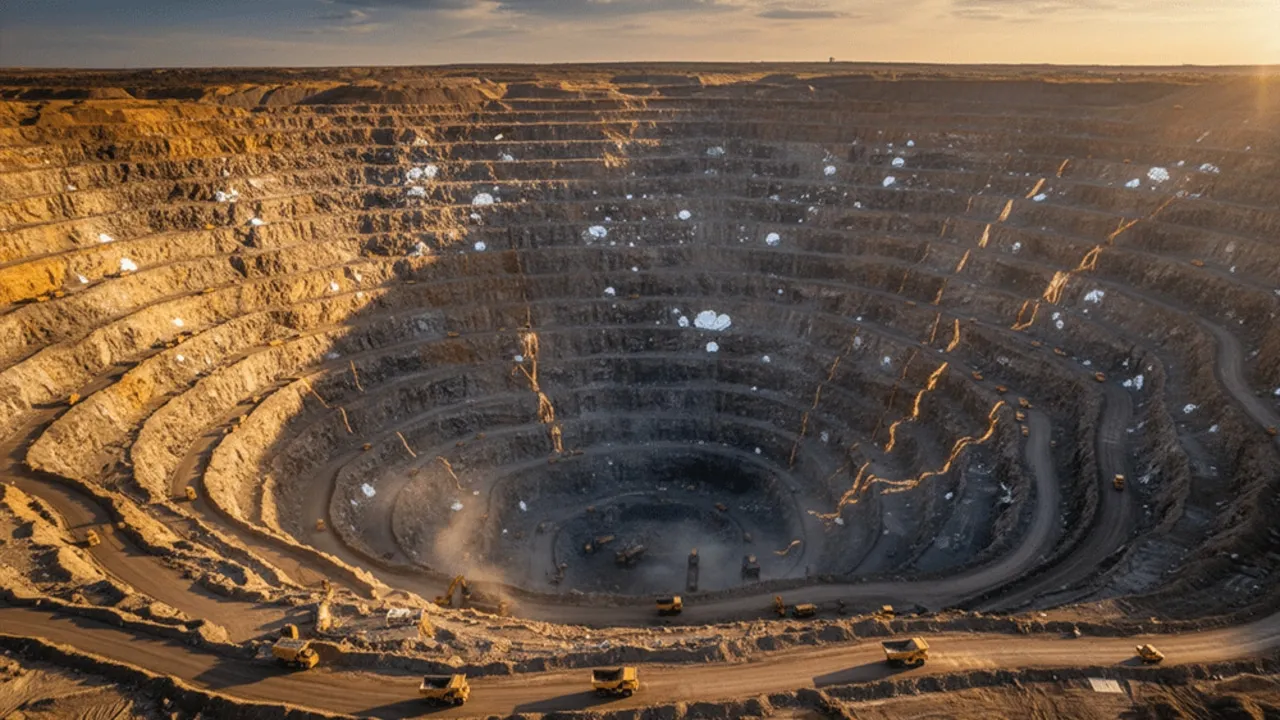
Pakistan faces new financial pressures as the estimated development cost for the Reko Diq mining venture climbs by 30 percent. A recent report published by the Institute of Cost and Management Accountants indicates that the total price tag has jumped to $9.1 billion from the previous estimate of $7 billion. This substantial rise in capital requirements introduces fresh economic challenges for the country, particularly for state-owned enterprises holding equity stakes in the massive mineral extraction effort located in the province of Balochistan.
Initial production schedules are also facing potential setbacks. According to the findings, the target date for first production could experience a delay of two years, moving from the original timeline of late 2028 out to 2030. These adjustments compound the financial exposure of participating public entities that have already committed billions of dollars to ensure the country secures a foothold in the global copper and gold markets.
The venture is structured around a multi-phase implementation plan spanning several decades. The initial investment estimate for Phase I alone has grown from $4 billion to $5.6 billion. Meanwhile, subsequent capital requirements for Phase II have climbed from $3 billion to $3.5 billion, reflecting broader inflationary pressures in global mining and equipment supply chains.
Ownership Structure and State-Owned Enterprise Exposure
Ownership of the Reko Diq initiative is divided among international and domestic stakeholders. International mining company Barrick holds a controlling 50 percent stake in the venture, while the Government of Balochistan retains a 25 percent share. The remaining 25 percent equity is split among three major Pakistani state-owned enterprises.
These participating public firms include Oil and Gas Development Company Limited, Pakistan Petroleum Limited, and Government Holdings Private Limited. Together, these three entities have committed approximately $1.88 billion to the mining project. The rising overall development costs and potential schedule shifts increase the financial exposure of these organizations, placing greater scrutiny on their capital allocation strategies.
For these state-owned enterprises, prolonged delays can postpone expected dividend income and elevate the opportunity cost of tied-up capital. The situation underscores the necessity for strict cost controls, transparent monitoring, and efficient project execution to protect public funds from escalating liabilities.
Security Concerns and Project Timeline Revisions
Development uncertainty surrounding Reko Diq has been heavily influenced by ongoing security conditions within the province of Balochistan. In response to these challenges, Barrick initiated a formal review of the project in February 2026. By April of that year, the mining firm announced a deliberate slowdown in development activities.
This review period has been extended until mid 2027 to allow stakeholders to thoroughly reassess security conditions, financing arrangements, capital requirements, and construction timelines. Although early production targets pointed toward the end of 2028, operations may now shift toward 2030. Barrick has not yet formally confirmed a revised production schedule and cautions that previously disclosed financial figures and milestones remain subject to change.
The extended review highlights the complex operating environment in southwestern Pakistan. Ensuring the safety of personnel and infrastructure remains a primary prerequisite for advancing heavy industrial projects of this scale in remote regions.
Project Scope and Long Term Cash Flow Potential
Despite the immediate financial risks and capital adjustments, Reko Diq possesses significant long term economic potential. The infrastructure is designed around a 37 year mine life and follows a two phase development model. Phase I is engineered to process 45 million tonnes of ore annually, while Phase II will double that capacity to 90 million tonnes per year.
Projections indicate that the operation could generate approximately $74 billion in free cash flow over the course of its multi-decade operational lifespan. During the peak construction phase, the project is expected to employ 7,500 workers, transitioning to approximately 4,000 permanent jobs during steady state operations.
However, analysts emphasize that projected cash flow should not be equated with direct government revenue. Actual economic returns will depend heavily on ownership distributions, taxation policies, royalty structures, reinvestment rates, and the degree of participation by domestic suppliers and contractors.
Economic Impact and Domestic Processing Challenges
The successful execution of Reko Diq could significantly strengthen national mineral exports, generate vital government revenues, and stimulate demand across various domestic sectors. Local industries specializing in engineering, construction, transportation, and equipment maintenance stand to benefit from ongoing operational needs. Workforce training programs could also enhance technical capabilities within the local labor force.
Despite these advantages, domestic processing remains a major hurdle. The current project scope is designed to produce copper and gold concentrate, meaning that smelting and refining operations are scheduled to take place outside the project site. Consequently, domestic value addition is not guaranteed, even with direct Pakistani participation in the extraction venture.
Establishing local processing capabilities requires commercially viable access to reliable energy supplies, advanced infrastructure, specialized technology, and consumer markets. Policymakers face the ongoing task of monitoring local supplier involvement, skilled employment rates, and opportunities for domestic refining to ensure the nation captures maximum value from its natural resources.
Strategic Shifts for Pakistani State Enterprises
Involvement in Reko Diq represents a departure from traditional business models for Pakistan's state-owned enterprises. Rather than focusing solely on domestic hydrocarbon exploration, these entities are engaging in large-scale strategic equity investments alongside multinational corporations in the hard-rock mining sector.
Financial experts stress that commercial viability must remain the guiding principle for such ventures. Transparent disclosure of ongoing capital commitments, independent regulatory oversight, regular operational assessments, and clear shareholder accountability are vital. These measures are necessary to guarantee that the project delivers tangible economic benefits rather than turning into an unsustainable financial burden for the public sector.





