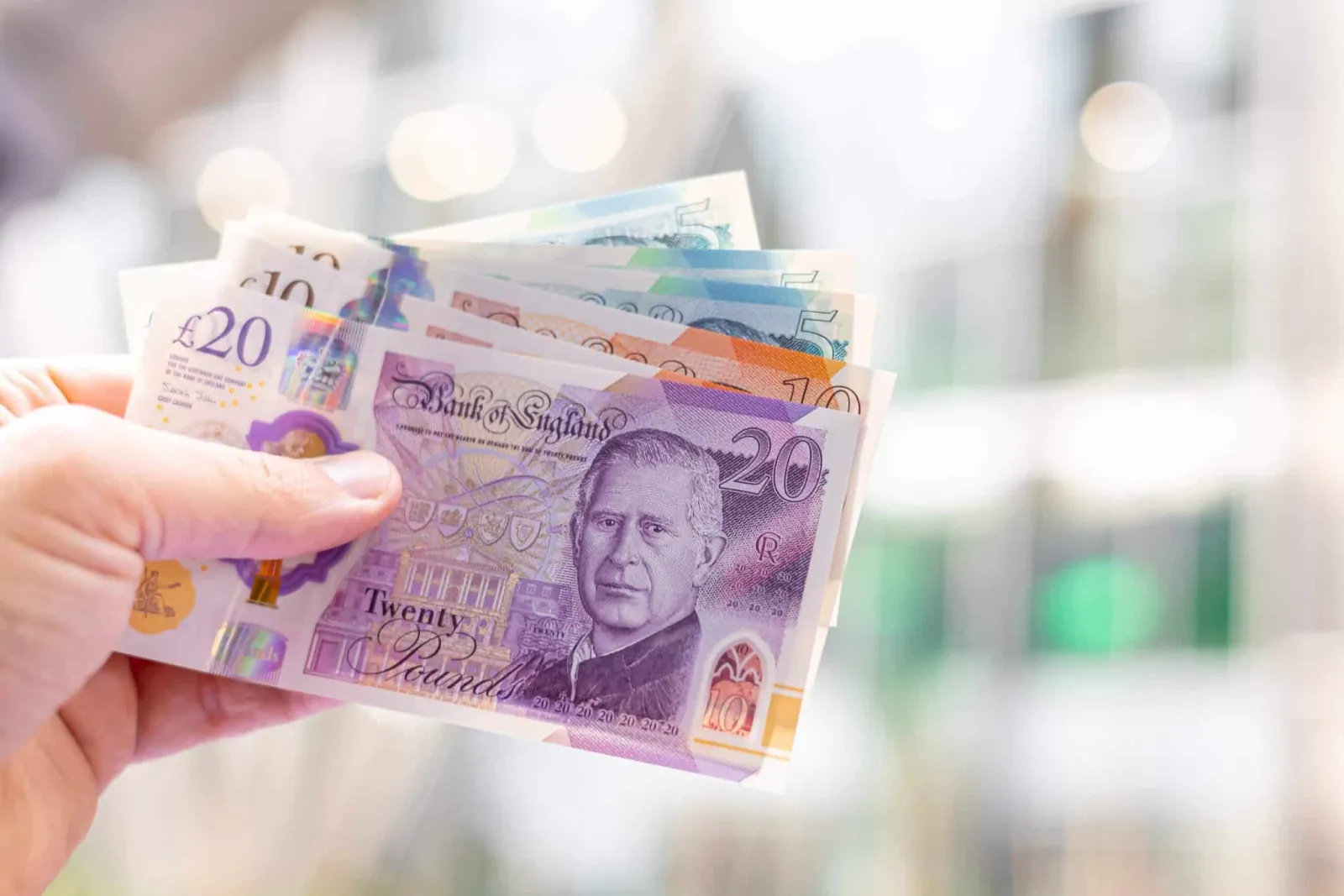
The Pakistani rupee continued its long recovery path by closing in the green against the US Dollar for the 287th consecutive day on Friday. Market participants observed steady movement in the domestic currency, which also reported big gains against the British Pound after settling near Rs. 360 again. Analysts and traders monitor these daily shifts closely as the local currency maintains its prolonged upward trajectory against major foreign denominations.
At the end of the latest trading session, the Pakistani rupee closed at 276.51 after gaining one paisa against the US Dollar. This marginal yet symbolic movement extends a pattern that has persisted for months across the interbank market. Financial authorities maintain that stability in the exchange rate helps manage import costs and inflation expectations within the domestic economy.
Pakistan Rupee Continuous Streak Against US Dollar
The domestic currency has consistently reported gains against the dollar since December 25, 2025. This unbroken chain of positive sessions represents a notable period of relative calm for the foreign exchange market in Pakistan. Commercial banks and corporate treasuries report normal trading volumes with adequate liquidity to meet business demands.
The exchange rate for the US Dollar moved in a very tight band during the week ending November 20, 2026. Official data shows the dollar traded at 276.5719 on November 16, moving gradually down to 276.5132 by November 20. This precise tracking reflects strict monitoring by the central bank and balanced supply and demand dynamics in the interbank market.
How Major Currencies Performed Against PKR
Beyond the US Dollar, the Pakistani rupee registered widespread gains against several other international currencies during the trading week. Currency desks reported active cross-currency adjustments as international rates shifted against major global units. The British Pound saw a substantial downward movement against the local currency, bringing it close to the psychological threshold of Rs. 360.
Official settlement figures illustrate the extent of the rupee appreciation across a basket of currencies between November 16 and November 20, 2026. The rupee gained Rs. 1.45 against the British Pound, moving the rate down from 365.2270 to 362.2738. Similarly, the local currency advanced by 56 paisas against the Euro, shifting that rate from 304.6439 down to 303.2244.
Performance of Regional and Commodity Currencies
The Australian Dollar also lost ground against the Pakistani rupee over the five-day trading period. The rupee gained Rs. 1.08 against the Australian Dollar, moving from 186.7552 down to 184.2131. Other trade-weighted currencies experienced minor adjustments as local market conditions favored the domestic tender.
Smaller gains were recorded against North American and Middle Eastern currencies. The Pakistani rupee gained seven paisas against the Canadian Dollar, settling at 193.0352 by the end of the week. Minimal movement was observed against Gulf currencies, with the rupee gaining one paisa each against the UAE Dirham and the Saudi Riyal to close at 75.2857 and 73.6995 respectively.
Daily Interbank Movement and Settlement Rates
Detailed exchange rate data released for the week ending November 20, 2026, highlights the gradual appreciation of the local unit. On November 16, the British Pound stood at 365.2270, dropping incrementally each day through 365.0496 on November 17, 364.0246 on November 18, 363.7213 on November 19, and finally reaching 362.2738 on November 20. This consistent decline supports projections that the rate could slip below Rs. 360 in upcoming sessions.
Other regional units like the Chinese Yuan and Malaysian Ringgit showed mixed weekly patterns. The Chinese Yuan moved from 41.4787 on November 16 down to 41.4016 on November 20. Meanwhile, the Malaysian Ringgit recorded a minor net change of 0.0018 over the same five-day period, showing that non-dollar pairs respond primarily to global cross-rate fluctuations rather than domestic factors alone.
What the Exchange Rate Trends Mean for Importers and Exporters
The sustained stability of the Pakistani rupee against the dollar and its gains against currencies like the British Pound affect international trade participants differently. Importers dealing in machinery, energy products, and raw materials find budgeting more predictable when the exchange rate holds steady over extended periods. Lower costs for imported goods can help stabilize domestic retail prices for consumers.
Exporters, however, must adjust their pricing strategies when the local currency appreciates against key trading currencies like the British Pound or the Euro. Higher domestic currency values for foreign sales can compress profit margins for local manufacturers shipping goods to European and British markets. Business associations frequently engage with financial regulators to discuss competitiveness in light of these persistent currency movements.





