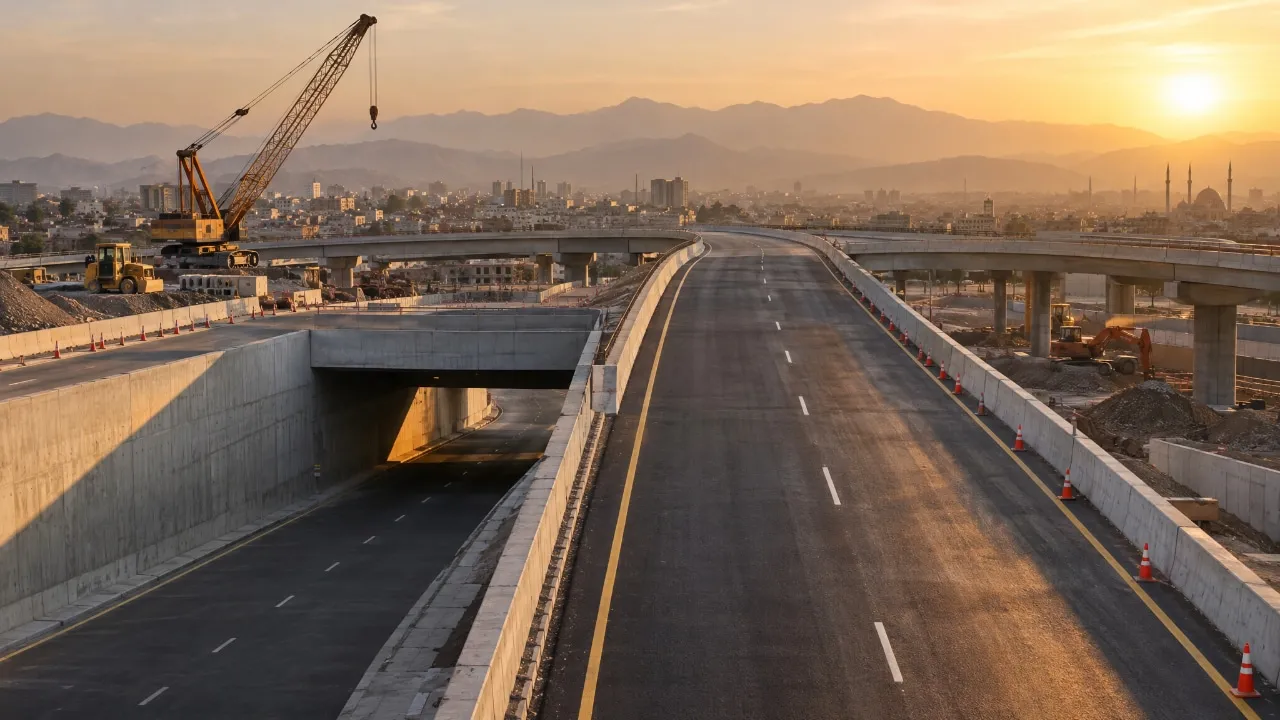
Peshawar Northern Bypass Completion Timeline Announced After Eighteen Years
Federal Minister for Communications Abdul Aleem Khan announced on Thursday that the Peshawar Northern Bypass, which has been stalled for a staggering 18 years, will finally be completed and made operational within the next two months. The announcement brings a definitive timeline to a transport infrastructure initiative that has faced severe setbacks, administrative pauses, and funding deficits for nearly two decades in the region.
Speaking to the media during a visit to the project site, the minister said Rs5 billion has been allocated from the National Highway Authority's (NHA) own resources to plug the project's funding shortfall. This financial injection aims to clear the final hurdles standing in the way of opening the crucial transport corridor to public and commercial traffic.
Emergency Completion Underway for Peshawar Northern Bypass
Aleem Khan said the remaining underpasses, flyovers and link roads were being completed on an emergency basis. Construction crews have accelerated their pace on the ground to ensure that structural gaps are bridged and connecting routes are safely paved before the fast-approaching deadline.
Once operational, the bypass is expected to:
- Facilitate commercial and business activity in Peshawar
- Provide relief to residents of adjoining districts
Background and History of the Peshawar Northern Bypass
Large infrastructure projects of this scale are typically designed to divert heavy transit vehicles away from congested urban centers, reducing wear and tear on local roads while speeding up freight movement. The Peshawar Northern Bypass was conceived to link major trade routes and ease the movement of goods entering and leaving the region, but successive financial freezes and planning revisions slowed progress to a crawl.
For nearly two decades, commuters, traders, and residents living near the incomplete alignment endured daily congestion, heavy pollution, and logistical bottlenecks. Major arterial routes within the city bore the brunt of commercial traffic meant to travel on the bypass, causing extensive damage to municipal asphalt and creating persistent safety hazards for pedestrians and passenger vehicles.
The Role of the National Highway Authority
The National Highway Authority, operating under the federal government, holds the mandate to plan, construct, operate, and maintain national highways and motorways across the country. Funding for such massive civil engineering works normally relies on a mix of federal Public Sector Development Programme allocations, foreign loans, and internal revenue generation from toll plazas and asset management.
In this case, the decision by the communications ministry to draw Rs5 billion directly from the internal resources of the National Highway Authority marks a departure from waiting on traditional fiscal budget cycles. By using self-generated funds, the agency bypasses bureaucratic delays that often accompany external financing approvals, allowing contractors to purchase materials and deploy machinery immediately.
Economic Impact on Local Businesses and Residents
Transportation delays carry a direct cost for local businesses, manufacturing units, and agricultural suppliers who rely on predictable transit times to move goods to markets across the country. The completion of the Peshawar Northern Bypass means commercial vehicles can bypass urban choke points, lowering fuel consumption, reducing vehicle maintenance costs, and accelerating delivery schedules for perishable and non-perishable goods alike.
Residents living in adjacent districts will also experience immediate relief as heavy dump trucks, long-haul trailers, and inter-city buses are diverted away from residential neighborhoods and local marketplaces. This shift is expected to improve local air quality, lower noise levels, and drastically reduce the frequency of traffic accidents involving heavy machinery within densely populated sectors.
What to Watch For as the Two-Month Deadline Approaches
With only sixty days allocated for the final phase of construction, monitoring agencies and local stakeholders will be watching closely to see if contractors meet the target date. Key milestones to observe include the paving of final link roads, the structural load testing of newly constructed flyovers, and the installation of necessary safety barriers and traffic signage along the entire corridor.
Official announcements from the communications ministry and progress reports from the National Highway Authority will provide further confirmation as the project enters its final operational checks. Citizens and transport associations in the area remain hopeful that the long wait is finally coming to a close.





