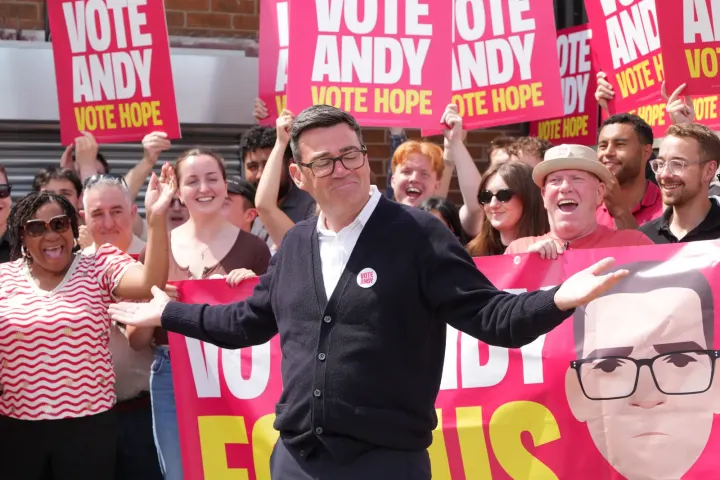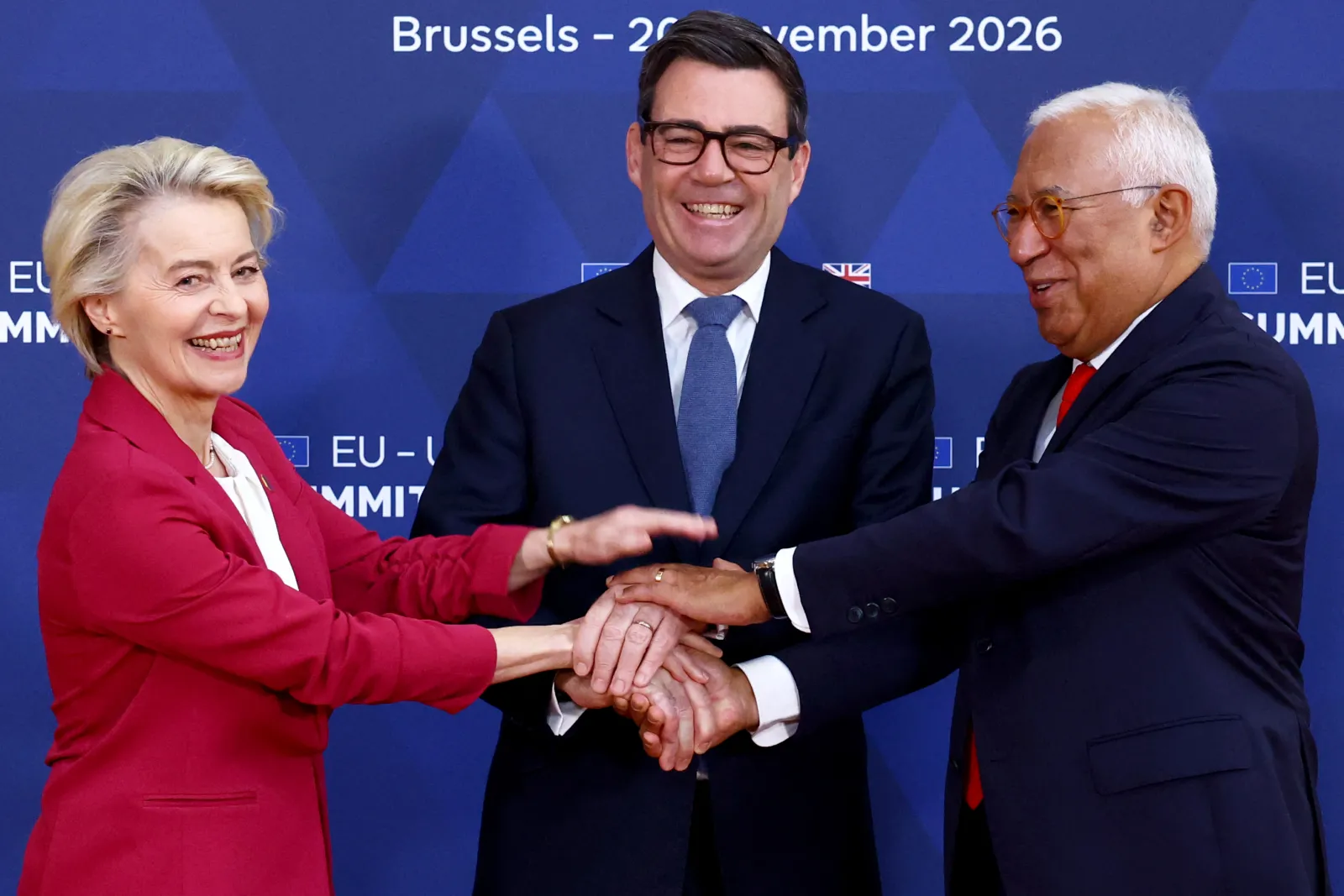
British taxpayer funds could soon find their way into projects across the European Union, including puppet shows in Poland, under the terms of a new Brexit agreement pursued by Prime Minister Andy Burnham. The fine print of this emerging arrangement reveals that the United Kingdom has agreed to contribute financially to a specific European Union fund designed to support poorer member states. In exchange for this monetary contribution, the United Kingdom would secure membership in the European Union electricity market, an arrangement that has sparked immediate and fierce criticism from political opponents.
Critics have labeled the revelation absurd, arguing that hard-earned public money should not be used to bankroll foreign cultural productions and unusual local initiatives abroad. While government officials defend the ongoing talks as a necessary step to secure energy supplies and lower household bills, the public debate centers on the exact nature of the financial commitments tied to European integration and trade agreements. The discussions are part of a broader effort to redefine post-Brexit relations between London and Brussels, with a final agreement expected to be signed off next year.
Understanding the European Union Cohesion Fund and UK Contributions
At the center of the controversy is a financial instrument known within the European Union framework as a cohesion fund. This mechanism is designed to bankroll infrastructure, social initiatives, and economic development projects in poorer European Union countries to reduce disparities between different regions of the bloc. Non-member nations that maintain close trading relationships with the bloc, such as Norway, Iceland, and Liechtenstein, already contribute financially to these specific funds as part of their respective access agreements.
The joint statement issued by the United Kingdom and the European Union explicitly notes that any final agreement regarding electricity market integration would be directly linked to a British financial contribution aimed at reducing economic, social, and territorial disparities across European regions. Supporters of closer ties argue that paying into such funds is a standard transactional cost for participating in large-scale continental markets. However, the prospect of writing checks to Brussels for this purpose has reawakened domestic political sensitivities surrounding financial contributions to Europe following the departure of the United Kingdom from the bloc.
Controversial Past Projects Funded by the Mechanism
Public scrutiny of the fund has intensified due to past spending records that highlight unusual projects financed through these contributions. Records demonstrate that in the year 2022, approximately 121,000 euros, which translates to roughly £100,000, from the funding stream paid for Poland's oldest puppet theatre to stage a collaborative show alongside a Norwegian company. Critics seize upon such examples to illustrate what they view as wasteful spending of British money on foreign cultural entertainment.
Further investigations by foreign broadcasters have uncovered other expenditures tied to these financial mechanisms. Money linked to similar contributions paid for 1,400 hanging bird boxes to be installed in Romania, a project that received around £65,000, or £55,000, from Norwegian contributions. The organization behind that specific environmental initiative used a portion of the cash to purchase an automobile, lease office space, and host a wine and cheese party inside the city botanical garden under the justification of boosting public interest in local bird populations. In addition, records show funds being directed toward lessons focused on gender stereotypes in Portugal.
Political Fallout and Conservative Criticism
The revelation has drawn sharp rebukes from the opposition, with senior political figures condemning the direction of the current administration. Alex Burghart, deputy leader of the Tory Party, voiced strong opposition to the emerging terms of the agreement. He stated that the country is somehow going to end up footing the bill for a load of whacky European Union nonsense just so Brussels can make British electricity more expensive.
Mr. Burghart added that hard-working British families are counting every penny while the government empties the national piggy bank to fund what he described as a travelling circus run by Brussels. He concluded his remarks by asserting that the administration is simply dancing to the tune of European negotiators. These sharp words reflect deep political divisions over how the nation should manage its external trade and regulatory alignment with its nearest neighbors.
Government Defense and the Case for Energy Integration
In response to the mounting political backlash, a government spokesman defended the ongoing diplomatic efforts and clarified the current status of the discussions. The official emphasized that no formal deal has been agreed upon regarding electricity, noting that the administration is actively engaged in negotiations to link British electricity markets with the European Union because the move could help lower utility bills for families and businesses across the United Kingdom.
Furthermore, the government stressed that officials will only sign a balanced agreement that serves the national interest and refused to provide a running commentary on private negotiations. Authorities point out that electricity trading is already conducted extensively with neighboring jurisdictions like Ireland, Norway, and France. According to government assessments, a formalized framework would not only reduce the cost of existing cross-border energy flows but also significantly enhance overall national energy security. The official timeline dictates that the new framework is expected to be finalised next year, leaving ample room for continued debate in Parliament and across the country.