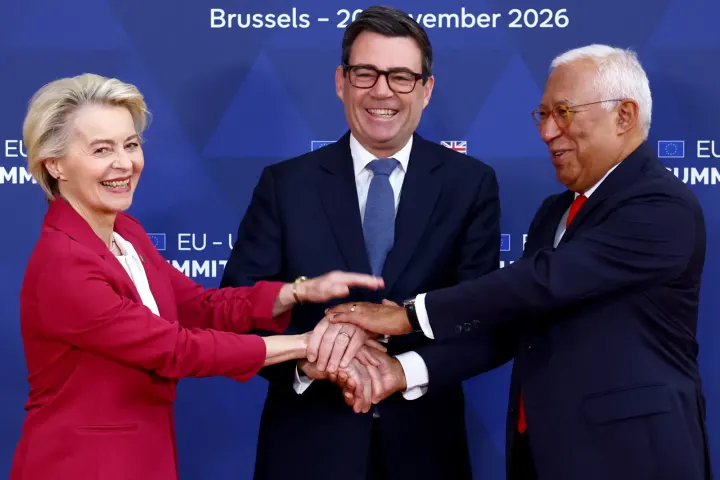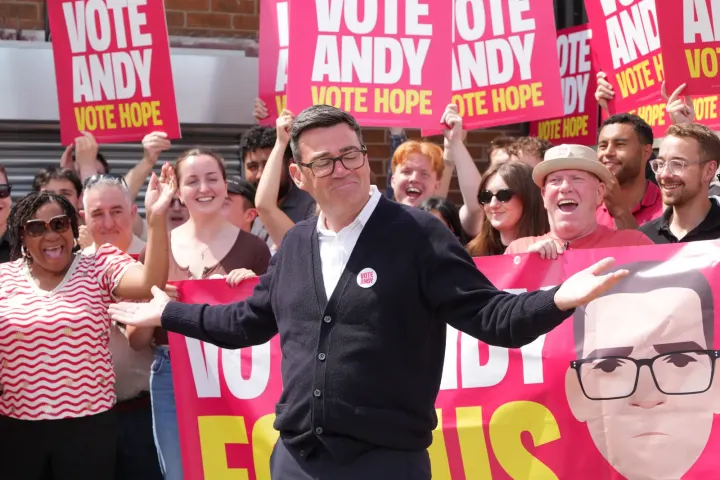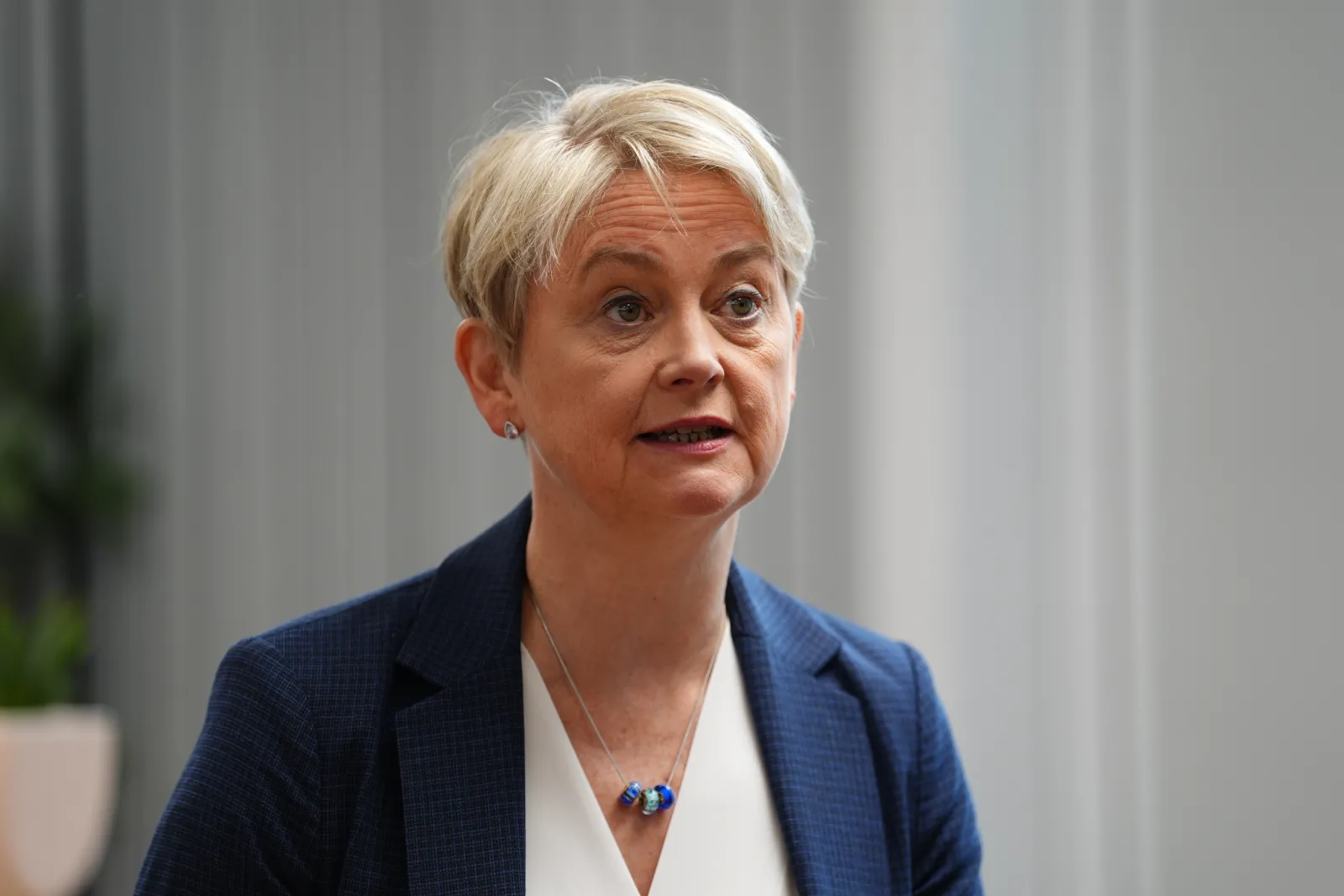
Health Secretary Yvette Cooper warned on Monday that she could lose her Pontefract and Castleford seat if Labour leader Andy Burnham attempts to reverse Brexit, according to close allies.
Cooper has represented the Yorkshire constituency since Tony Blair's 1997 landslide victory. The area voted overwhelmingly for Leave in the 2016 referendum, with an estimated 69.3 per cent supporting Brexit.
Why the Warning Matters for Labour
Cooper's concern reflects a broader anxiety among Labour MPs whose constituencies backed leaving the EU. A senior ally said, "Andy Burnham's strategy is crazy. If he reverses Brexit, Yvette will lose her seat. She knows that. John Healey and Ed Miliband would probably lose theirs too." The ally added, "But Ed doesn't mind because he is obsessed with getting back into the EU."
The comment underscores the political risk of a policy shift that runs counter to the expressed will of voters in the so-called Red Wall - a swath of traditionally Labour-leaning towns in the north of England that swung heavily to Leave.
Background: The Brexit Vote and the Red Wall
In June 2016, the United Kingdom held a referendum on continued membership of the European Union. Nationwide, 51.9 per cent voted to leave, but the margin varied sharply by region. Yorkshire, the North East and parts of the Midlands recorded some of the highest Leave percentages. Pontefract and Castleford's 69.3 per cent Leave vote placed it among the strongest pro-Leave constituencies.
The term "Red Wall" describes Labour's historic strongholds in these areas, many of which have felt economically left behind by de-industrialisation. The 2019 general election saw several of these seats swing to the Conservatives, largely attributed to Brexit-related voter realignment.
Current Political Context: Burnham's Brexit Reversal Idea
Prime Minister Rishi Sunak has recently suggested that Britain could hold a new In-Out referendum, sparking a "massive political row". He pledged to spend the next couple of years "brainstorming" the UK relationship with the EU. The proposal has divided the Cabinet, with many ministers privately warning that the strategy could backfire.
Andy Burnham, Labour's Shadow Chancellor, has hinted at supporting a second referendum or a negotiated return to the EU. If Labour were to adopt such a stance, it would clash directly with the preferences of constituencies like Pontefract and Castleford, Rawmarsh and his own constituency of Islington North, which, while not a Leave stronghold, sits alongside a party leadership that appears divided on the issue.
Other Labour Figures Facing Similar Risks
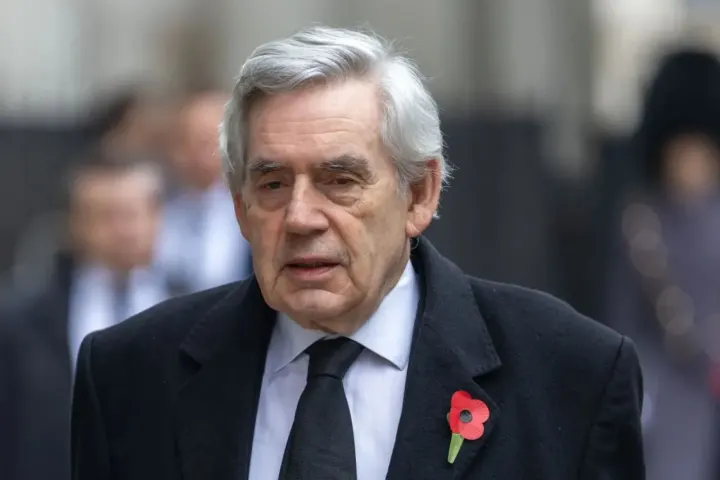
John Healey, the Chancellor of the Exchequer, also represents a Yorkshire seat that voted heavily for Leave. His constituency of Rawmarsh - formerly called Wentworth - recorded an estimated 70 per cent Leave vote.
Foreign Secretary Ed Miliband represents the country's most pro-Leave constituency, with an estimated 71.7 per cent of voters backing Brexit. Both Healey and Miliband could face similar electoral peril if Labour pursues a policy of re-joining the EU against the expressed wishes of their voters.
Reactions from Within Labour and the Media
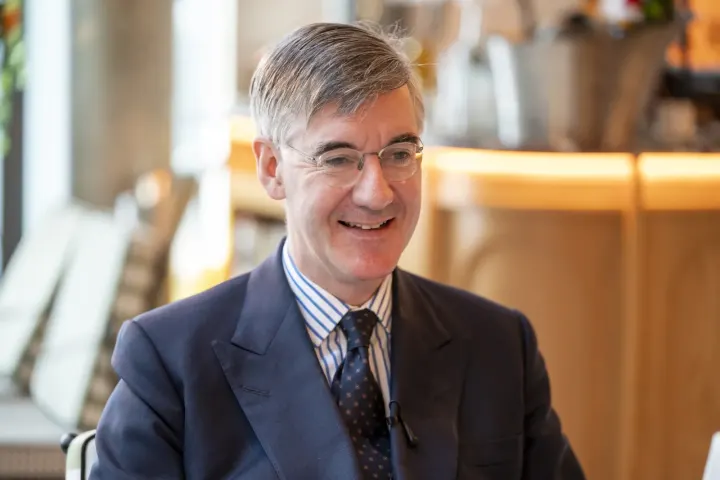
Lee Anderson, Reform Chairman, told the Sun on Sunday, "Yvette Cooper is right to be scared. The Red Wall will crumble with Burnham's Brexit betrayal." The comment reflects a growing chorus of concern that Labour's internal debate over Europe could erode its remaining support in the north.
Party insiders have reportedly warned the Prime Minister that a push for a second referendum could alienate key voter blocs and jeopardise Labour's chances of regaining seats lost in 2019.
What This Means for Voters in Pontefract and Castleford
Residents of Pontefract and Castleford have historically voted Labour but did so on a platform that respected the 2016 Leave result. A reversal could be seen as a betrayal, prompting voters to consider alternatives, including the Conservatives or smaller parties that champion a clear Brexit stance.
Local campaigning is expected to focus on the tangible impacts of Brexit - trade, agriculture, and public services - rather than abstract constitutional debates.
What Comes Next: Timeline and Parliamentary Procedure
Should Burnham's proposal gain traction within Labour, it would first require a formal policy amendment at the party conference, followed by a vote in the House of Commons. Any move toward a second referendum would also need cross-party support, given the government's current majority.
At present, no official timetable has been set for a Labour-led Brexit reversal. Observers advise watching Labour's annual conference, upcoming front-bench reshuffles, and any statements from the party's National Executive Committee for clues.
Practical Takeaways for Readers
For constituents in Leave-majority areas, the key takeaway is that their elected representatives are weighing the political cost of a policy shift. Voters should monitor local party meetings, candidate statements, and any public consultations on EU relations.
For businesses operating in the north, the uncertainty surrounding a potential Brexit reversal could affect trade arrangements, supply chains, and regulatory compliance. Companies are advised to maintain flexible planning and stay informed about any legislative changes.
Overall, the debate highlights the tension between national strategy and local democratic mandates, a dynamic that will shape Labour's electoral prospects in the coming years.