Why Cambridge Dictionary Chose Human as the Word of the Year
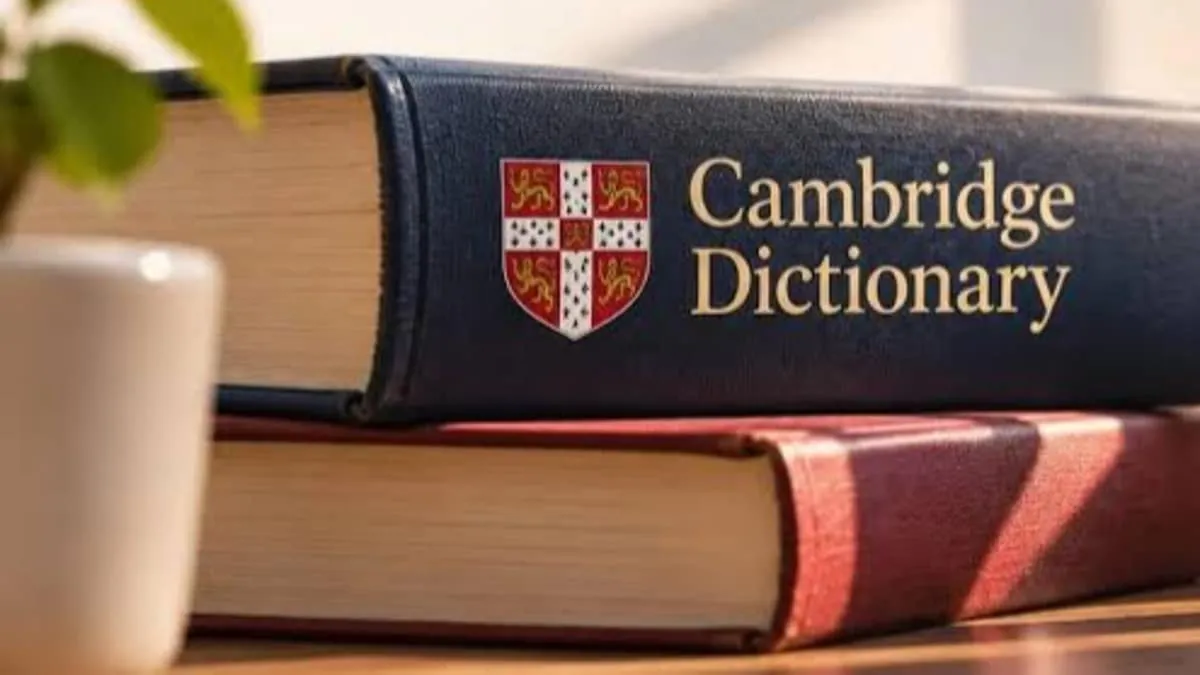
Cambridge Dictionary has named human its Word of the Year for 2026, reflecting growing concerns about artificial intelligence and its impact on society. The institution defines human as having the qualities, faults, and feelings associated with people, rather than gods, animals, or machines. This selection captures the cultural mood of the period as citizens worldwide grapple with technological disruption.
Francesca Woodward, a Cambridge University Press board member, explained that the term captured the spirit of 2026. People are increasingly questioning what it means to be human amid rapid advances in artificial intelligence and rising concerns about machines replacing workers across various industries. The search data and dictionary queries analyzed by researchers pointed directly to this existential theme.
Dictionary researchers noticed a marked increase in the usage of related compound terms such as human-made and human author. These linguistic additions reflect ongoing efforts in publishing, education, and professional fields to distinguish genuine human contributions from automated or AI-generated work. As digital content production scales up, verifying the origin of text and art has become a daily priority.
Understanding the Philosophical Debate Behind the Selection
Tom McClelland, a philosopher of science at the University of Cambridge, noted that the choice reflects changing ideas about humanity. As technology advances, people try to understand the differences between human and artificial intelligence, particularly in areas such as consciousness, creativity, and compassion. These traits have traditionally separated biological minds from silicon processors.
The philosophical inquiry extends into daily practical life, where workers and creators evaluate their unique value in the economy. While machines excel at processing data and executing repetitive tasks, the human element involves subjective experience and moral reasoning. Experts suggest that defining these boundaries helps society establish ethical frameworks for technology integration.
Public fascination with artificial intelligence has pushed these abstract philosophical questions into mainstream discourse. People encounter machine-generated content constantly, prompting a reevaluation of what creative output actually requires. The dictionary selection mirrors this collective mental shift toward valuing biological sentience.
Other Contenders and Shortlisted Terms for 2026
The selection process involved analyzing various terms that gained traction during the year through search activity on the dictionary website. Other strong contenders on the shortlist reflected different facets of modern life, ranging from technological developments to lifestyle practices. Lexicographers track these trends to capture shifts in global vocabulary.
One notable contender was agent, which refers to artificial intelligence systems capable of operating with limited human control. Another shortlisted word was wholesome, describing something that benefits a person,s physical, moral, or emotional well-being. Additionally, dusking, defined as the practice of watching daylight fade as a form of relaxation, made the list of finalists.
These varied terms demonstrate how language adapts to both technological anxieties and personal wellness trends. While some words address systemic changes in the workforce and digital tools, others capture personal coping mechanisms in a fast-paced society. Lexicography relies on these shifts to document contemporary culture accurately.
New Dictionary Additions Reflecting Modern Culture
Alongside the Word of the Year, Cambridge Dictionary highlighted several new additions to its database that reflect internet culture and modern social habits. Aura farming was included, referring to actions intended to build an admirable public image. This term originates from youth culture and social media slang, where projecting a specific aura is viewed as a strategic social asset.
Another newly recognized term is looksmaxing, which describes the practice of improving one,s physical appearance. This concept gained popularity through online forums and wellness spaces where individuals share tips on grooming, fitness, and style. The inclusion of these terms shows how digital subcultures continually influence standard language references.
Dictionary curators monitor these emerging expressions to provide accurate definitions for terms that suddenly enter widespread public use. By documenting slang alongside traditional vocabulary, reference publishers maintain relevance for younger generations. These additions often shed light on the pressures and aspirations of modern internet users.
How the Word of the Year Process Works
The selection of the Word of the Year relies heavily on search activity on the official Cambridge Dictionary website. Editors and data analysts review which words experienced sudden spikes in interest or sustained high traffic over the previous twelve months. This methodology ensures that the chosen term reflects actual public curiosity rather than just editorial preference.
Looking at historical selections provides context for the current choice. Last year, the winner was parasocial, which describes a perceived connection with a person or fictional character someone does not personally know. That term captured the dynamics of modern media consumption and online fandoms.
The annual tradition serves as a linguistic snapshot of society. By identifying which words dominate public inquiry, lexicographers map out the anxieties, trends, and focal points of a given year. The focus on human in 2026 marks a clear pivot toward self-examination in the technological age.