How Cambridge Scientists Regrew Damaged Heart Muscle
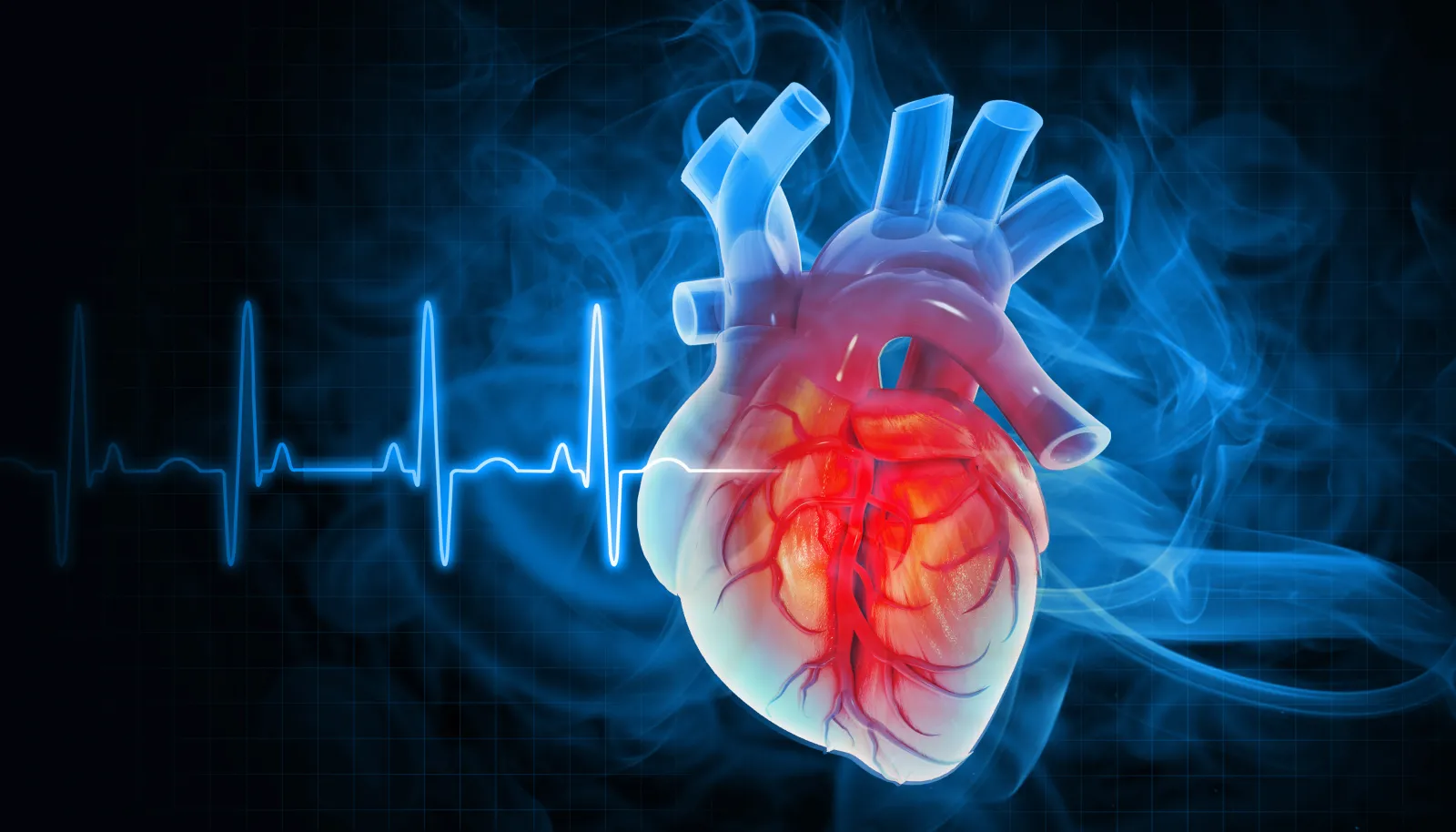
Heart muscle has been regrown for the first time in a huge scientific breakthrough, giving hope to millions who have heart damage. Around one million residents in the United Kingdom are living with heart failure due to the muscles becoming too weak or stiff to pump blood effectively. Heart failure can happen for a number of different reasons and studies indicate that around half of those affected sadly die within five years. Previously, nothing could be done to regenerate this failing muscle.
But now, scientists at the University of Cambridge have discovered that a genetic treatment can reactivate proteins that generate cells in mammals. A new study, published in the journal Nature Cardiovascular Research, has suggested that this treatment could not just treat the symptoms of heart failure, but actually help the heart to repair itself. It works by injecting temporary genetic instructions into the heart to teach cells to activate proteins that promote tissue repair, researchers said.
Testing the New Genetic Treatment on Mammals
The technique was tested on mice who had suffered heart attacks, producing a stronger heartbeat while also increasing their blood flow by 10 per cent. While the treatment has only been trialled on mice so far, scientists are now keen to see whether it works in larger mammals and then humans. Commenting on the study, Dr Catherine Wilson, associate professor at Cambridge's Department of Pharmacology and Gurdon Institute who was involved in the study, said that these are really exciting results.
She told reporters that there is no cure for heart failure, and their treatment could potentially have a meaningful impact on the quality of life of millions of people around the world. She added that they are not just treating the symptoms of heart failure, as this approach could help the heart to repair itself.
Why Human Heart Cells Lose the Ability to Regenerate
Heart cells do not really regenerate after childhood and by the time people reach the age of 25, only 0.1 per cent are renewed every year. During a human's life, less than half of the heart's original muscle cells are ever replaced. After a heart attack, an adult human heart can lose up to one billion heart muscle cells, which is about 25 to 33 per cent of the heart, and these lost cells are never replaced. This reduces the strength of your heart and causes scarring, heart failure and eventually sadly death.
According to the National Health Service, there are lots of possible causes of heart failure. Along with a heart attack, an infection, high blood pressure, coronary heart disease and chronic kidney disease can all cause it.
Understanding the Symptoms and Risks of Heart Failure
Heart failure does not mean the heart has stopped working, but that it needs support to help it work better. Heart failure is a long-term condition that tends to get gradually worse over time. The main symptoms of heart failure include breathlessness after activity or at rest, feeling tired most of the time and finding exercise exhausting, feeling lightheaded or fainting, and swollen ankles and legs. Some people also experience other symptoms such as a persistent cough, a fast heart rate, and dizziness. Symptoms can develop quickly as acute heart failure or gradually over weeks or months as chronic heart failure.
Age is a major risk factor, as people over 65 are more likely to develop heart failure because ageing can stiffen and weaken the heart muscle. A family history of heart failure increases the risk of developing it. Unhealthy habits like smoking, heavy alcohol use, an unhealthy diet, and lack of physical activity can also increase the risk. Other medical conditions that can increase the risk of heart failure include high blood pressure, diabetes, obesity, sleep apnea, chronic kidney disease, anaemia, and thyroid disease.
How the mRNA-Inspired Therapy Works Inside the Heart
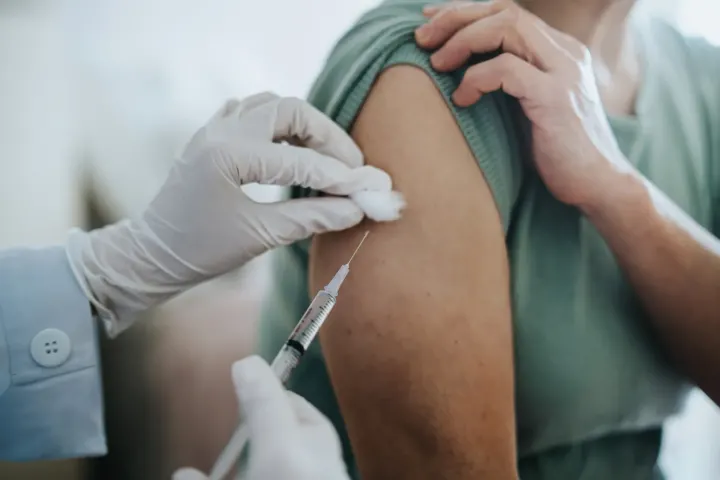
There is currently no cure for heart failure, but treatment aims to ease symptoms and help prevent your condition from getting worse. So, how does this new treatment work? According to researchers, it is similar to how mRNA vaccines work. These instruct cells in the body to produce a specific protein that trains the immune system to recognise and destroy harmful disease-related substances. mRNA vaccines were the main jabs used in the UK's Covid vaccination campaign.
In the study, the mRNA instructions activated two proteins, called Myc and Cyclin T1, which control cell division and proliferation by increasing cell numbers. It then reawakens heart cells, meaning they start to divide and repair the damaged muscle. Mice injected with the therapy showed improvement after 28 days and this lasted for at least four months. As the mRNA signal is temporary, it meant that there was no risk of excessive cell growth in the heart.
Next Steps and Expert Reactions to the Breakthrough
The research team saw no adverse effects of the treatment and they are now working to refine the therapy. They have received funding from the British Heart Foundation to continue their work. Professor Bryan Williams, chief scientific and medical officer at the British Heart Foundation, said the therapy was an important step forward. Getting the heart to repair itself is described as the Holy Grail for cardiologists. He noted that the heart is easily repaired when we are babies in the womb, but our heart muscle cells lose the ability to regenerate and fix the heart shortly after we are born.
That makes it exciting when studies like this are able to reignite regeneration in heart muscle cells. The gene therapy used by the researchers shows clear potential for heart patients. While the research is in mice, and still at an early stage, it is an important step forward towards therapies which could help repair the damage to the heart following a heart attack.