How George Fox's Brain Tumor Symptoms Were Initially Misdiagnosed
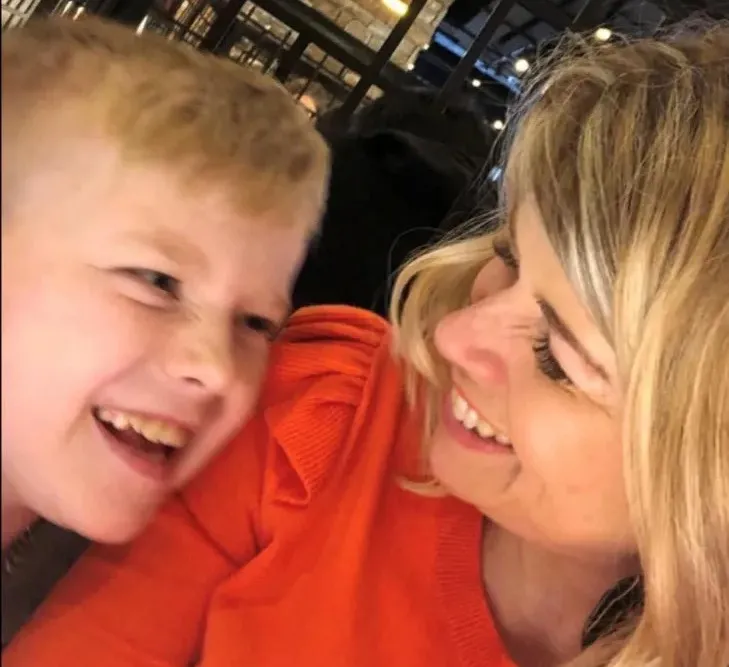
A mother has shared the heartbreaking story of how her son's headaches turned out to be the sign of an aggressive brain cancer that took his life. When George Fox was 12, he started experiencing headaches and vomiting, and doctors initially believed he was suffering from migraines. But when his symptoms persisted, his parents took him to A&E multiple times, and doctors eventually booked him in for an MRI.
Sadly, doctors discovered a six-centimetre tumour in his brain, and George had to undergo a 10-hour surgery to remove nearly all of the tumour. The surgery went well, and George's parents said he had bounced back afterwards. But less than a month later, the family were given the devastating news that George had a glioblastoma, a fast-growing, cancerous brain tumour, and that he had a zero per cent chance of survival.
The Devastating Glioblastoma Diagnosis and Prognosis
George received the diagnosis in May 2021, and by April 2022, the teen had tragically passed away at just 13 years old. Glioblastomas are aggressive brain tumours that have an average survival time of just 12 to 18 months, according to the Brain Tumour Charity. Around a quarter of glioblastoma patients survive for more than a year after diagnosis, while only 5 per cent survive for five years or more. Statistics from Brain Tumour Research show that brain tumours kill more children and adults under the age of 40 than any other cancer.
Symptoms include headaches, being sick, seizures, difficulty walking, blurred vision, changes in behaviour or personality, and difficulty speaking. Around 3,200 people are diagnosed with glioblastoma each year, and the tumours are very complex to treat. The Wanted singer Tom Parker is one well-known figure who tragically passed away from glioblastoma less than two years after his diagnosis at the age of 33. The dad-of-two left behind two children who he shared with his wife, the actress and blogger Kelsey. During his battle with the cancer, Tom said he was shocked at the lack of treatment and funding for brain cancer patients in the UK.
The Warning Signs That Led to Multiple Hospital Visits
In George's case, his parents first believed something was wrong after he got a headache out of the blue in April 2021. The otherwise healthy 12-year-old was taken to the opticians and the doctors, with medics believing he was suffering from some kind of hormonal headache. When he began vomiting a few weeks later, however, his parents thought something more serious was wrong. Louise, 52, said that was quite a red flag because they had friends who had lost a child to a brain tumour previously, and she knew that was one of the symptoms.
George was taken to A&E four times that month, and it was there that his brain tumour was discovered. He had a 10-hour brain surgery to remove the tumour at the end of April, but was sadly diagnosed with glioblastoma in mid-May. Speaking about the devastating news, Louise said they were told he had a zero per cent chance of survival and that he had 12 to 15 months to live with no cure, just to go make memories.
Exhausting Every Treatment Option Locally and Abroad
George was offered six months of radiotherapy and chemotherapy, but according to his mum, doctors warned the chemotherapy would not work, though they had nothing else to offer. By the time he started his radiotherapy five weeks later, however, his tumour had fully grown back, and doctors reduced his prognosis to just six months. His mum said they started crowdfunding and took George to Germany in October 2021 for immunotherapy, which was unproven, but they would try anything at that point.
George wanted to try everything and anything, but the tumour grew back again. On his 13th birthday, he had massive seizures at his own birthday party, and they were rushed by ambulance to Great Ormond Street Hospital, where they were told the tumour was back in full. George had to undergo another brain surgery to remove the tumour again and was then accepted onto a clinical trial in Los Angeles. He and his family set off for this treatment in January 2022, but unfortunately, George started having seizures on the flight and was given steroids, which made him ineligible for the trial.
After two further brain surgeries in Los Angeles, one to fit a shunt to drain fluid and relieve intracranial pressure, and one to remove the tumour, he arrived home at the start of February. His oncologist at Great Ormond Street tried one last drug to try to extend his life, but sadly, George died aged 13 on April 12, 2022. Speaking about her son's death, Louise said it has been hideous and nothing can ever really prepare you for this kind of loss.
Campaigning for Change and Raising Awareness
In honour of their son, George's family began campaigning for awareness of brain tumours and fundraising for research, and they have now raised £178,000 for the charity Brain Tumour Research. George's 18th birthday would have been on November 15, and to commemorate this, his mum wrote him a letter expressing her enduring love. Dr Karen Noble, director of policy and research at Brain Tumour Research, noted that George's story is a powerful reminder of the devastating impact a brain tumour can have on families.
Dr Noble emphasized that one in three children who die of cancer is killed by a brain tumour, and only one new treatment for childhood brain tumours has been approved in more than 25 years. Experts are calling on the government to support an increase in national investment in research into brain tumours to at least £45 million a year to improve survival rates. The disease has also claimed the lives of other prominent figures, including Labour politician Dame Tessa Jowell in 2018 and author Sophie Kinsella.