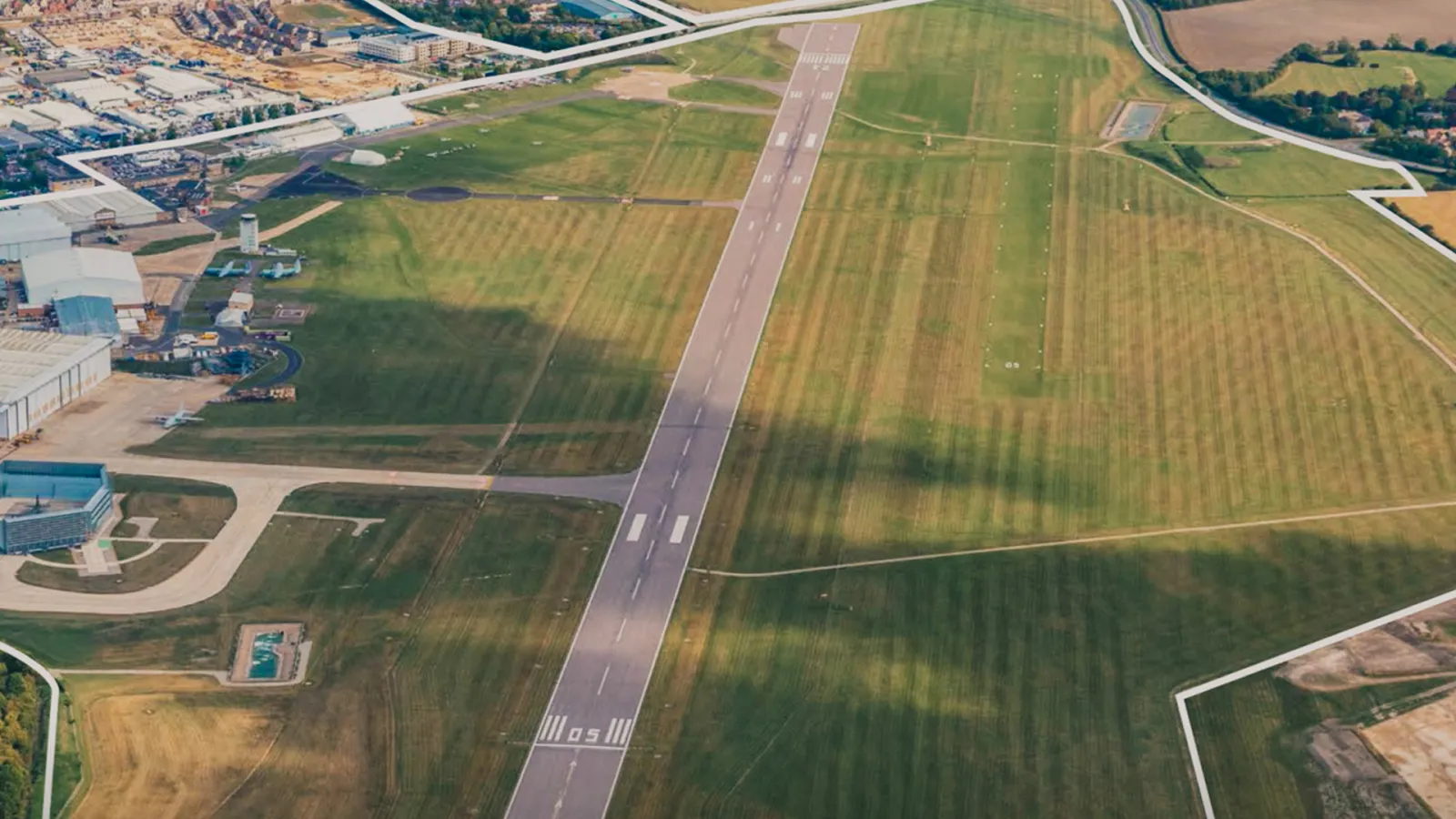
Cambridge United has unveiled a proposal to construct a new 15,000-seat stadium on the former Cambridge City Airport site, with the club aiming to complete the planning process by Easter 2027 and the airport expected to vacate the land by mid-2029.
The League One side, which has called the Cledara Abbey Stadium home since 1932, is working with development firm The Hill Group after the latter purchased the Cambridge East site for around £350 million from the Marshall Group, the airport's owner.
Why Cambridge United Is Seeking a New Ground
Club chairman Godric Smith said the Abbey Stadium is "a magical place" but its limited capacity and ageing facilities "significantly limit the club financially". The club's recent promotion back to League One after a brief spell in League Two has increased match-day demand, with several games this season selling out.
Current capacity at the Abbey is roughly 8,000, well below the 15,000 seats the club envisions for a modern stadium that could host larger crowds, corporate hospitality, and community events. A larger venue would also improve revenue streams from ticket sales, concessions and non-football activities, helping the club meet its long-term financial goals.
Who Is Involved in the Redevelopment
The Hill Group, a property development company, bought the Cambridge East site for about £350 million. The land was previously owned by Marshall Group, which operates Cambridge City Airport. Under the terms of the sale, Marshall Group has been instructed to relocate its aviation operations by mid-2029.
Cambridge United commissioned Deloitte to produce a feasibility report outlining possible stadium concepts and associated infrastructure. The club emphasized that the proposals are being mapped out "without commitment from any party", meaning no final contracts have been signed yet.
What the Proposed Stadium Would Include
The envisioned stadium would hold 15,000 spectators, a size that aligns with other modern League One venues such as Bristol Rovers' proposed stadium and Luton Town's current ground. While no definitive design has been released, the club's working assumption includes:
- All-seater stands with improved sightlines.
- Enhanced hospitality suites and corporate boxes.
- Training facilities and community spaces integrated into the complex.
- Improved access for fans, including public transport links and parking.
These features aim to meet the club's ambition of providing a "future-proof" home that can support higher league aspirations and generate additional non-match-day revenue.
Timeline and Key Milestones
The club has set a clear timetable for the project. The planning and consultation phase will conclude by Easter 2027, after which detailed designs and planning permission are expected to be pursued. Because Marshall Group must vacate the airport by mid-2029, the earliest realistic window for construction would be after that date.
Consequently, Cambridge United expects to remain at the Cledara Abbey Stadium for "the best part of the next decade", according to Smith. The club's statement stresses that the relocation timeline will be communicated to fans as it becomes clearer.
Impact on Fans and the Local Community
Supporters have expressed mixed feelings. While many welcome the prospect of a larger, more modern venue, the Abbey Stadium holds deep emotional value. Smith acknowledged this, saying, "It is the only home all of us have ever known. We will guard our proud heritage and would fully engage with fans on how best we might do that."
The new stadium could also benefit the wider Cambridge area. Large-scale sports venues often act as catalysts for local economic activity, attracting hospitality businesses, creating construction jobs, and increasing foot traffic on match days. The redevelopment of the former airport site could also free up land for additional commercial or residential projects, aligning with Cambridge's broader urban growth plans.
Financial and Regulatory Considerations
The £350 million purchase price for the site indicates the scale of investment required. Funding for the stadium would likely involve a mix of private capital from The Hill Group, club reserves, and potentially public-sector support or loans, though no specific financing plan has been disclosed.
Planning permission will need to satisfy Cambridge City Council's local development guidelines, which cover issues such as environmental impact, traffic management, and community benefit. The council will also assess the proposal's alignment with the city's strategic plan for sustainable growth.
What Comes Next for Cambridge United
After the Easter 2027 deadline, the club expects to present a detailed stadium concept to the council and seek planning consent. The next public steps will likely include:
- Stakeholder consultations with fans, local residents and businesses.
- Submission of a formal planning application.
- Environmental impact assessments and traffic studies.
- Negotiations on any required infrastructure upgrades, such as road improvements or public transport enhancements.
Until those processes are completed, Cambridge United will continue to play home games at the Abbey Stadium, where they are currently eighth in League One with 21 points from 14 matches.
Neil Harris' side secured an immediate return to England's third tier last season after being relegated to League Two in 2024-25, and the club hopes the new stadium will help cement its place in League One and support future promotion ambitions.
Fans and residents are encouraged to stay informed through club communications and council announcements as the project moves forward.